
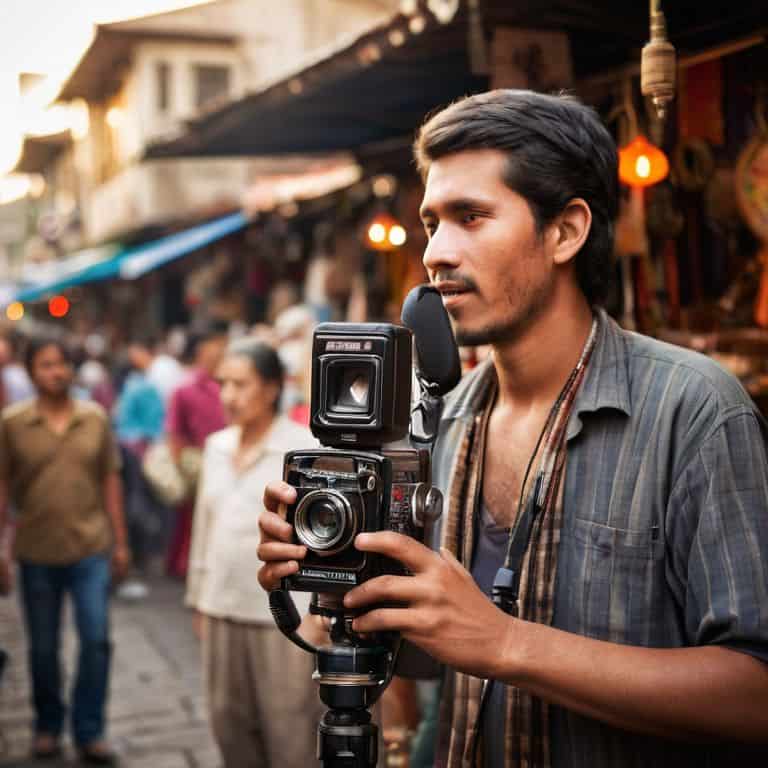
I still remember the moment I realized that capturing high-quality audio was just as important as getting the perfect shot. I was on a solo hike in the mountains, and my camera picked up the most incredible sounds of nature – the gentle rustling of leaves, the chirping of birds, and the gentle hum of a nearby stream. But when I reviewed my footage, I was disappointed to find that the audio was muffled and lacking depth. That’s when I started my quest to learn how to get better audio for your travel videos. I’ve spent countless hours researching, testing, and experimenting with different techniques and equipment to improve my audio quality.
In this article, I’ll share my honest, no-hype advice on how to get better audio for your travel videos. I’ll cover the essentials of audio recording, from choosing the right equipment to mastering techniques like wind noise reduction and audio editing. My goal is to help you avoid common pitfalls and capture rich, immersive audio that elevates your travel videos to the next level. Whether you’re a seasoned traveler or just starting out, I’ll provide you with practical tips and tricks to improve your audio quality, so you can focus on telling your story and sharing your adventures with the world.
Table of Contents
- Guide Overview: What You'll Need
- Step-by-Step Instructions
- Elevate Travel Video Audio
- Capture Crystal Clear Sound: 5 Essential Tips for Travel Videographers
- Key Takeaways for Capturing Unforgettable Travel Video Audio
- Capturing Life's Soundtrack
- Bringing Your Travel Videos to Life with Great Audio
- Frequently Asked Questions
Guide Overview: What You'll Need
Total Time: 1 hour 15 minutes
Estimated Cost: $50 – $100
Difficulty Level: Intermediate
Tools Required
- Lavalier Microphone (for high-quality voiceovers)
- Portable Audio Recorder (for capturing clear ambient sound)
- Windscreen (for reducing wind noise)
- Pop Filter (for minimizing plosive sounds)
- Audio Editing Software (for post-production editing)
Supplies & Materials
- Extra Batteries (for portable audio recorder)
- Memory Cards (for storing audio files)
- Acoustic Treatment (for improving voiceover recording space)
- Headphones (for monitoring audio)
Step-by-Step Instructions
- 1. First, let’s talk about the importance of investing in a good microphone. I’ve learned the hard way that the built-in mic on your camera just won’t cut it when it comes to capturing high-quality audio, especially in windy or noisy environments. I recommend opting for a dedicated external microphone, such as a lavalier or shotgun mic, which can be easily attached to your camera or clipped to your shirt.
- 2. Next, you’ll want to position your microphone correctly to minimize background noise and capture clear, crisp audio. For example, if you’re filming an interview, try to position the mic about 6-8 inches from your subject’s mouth, and slightly off to the side to reduce plosive sounds. Experiment with different mic placements to find what works best for your specific situation.
- 3. Now, let’s dive into the world of audio recorders. While your camera can capture decent audio, a dedicated recorder can provide even higher quality sound and more flexibility when it comes to mic placement. I use a portable recorder to capture ambient sounds, like the rush of a waterfall or the calls of exotic birds, which can add depth and immersion to your travel videos.
- 4. To reduce wind noise and plosive sounds, it’s essential to use a windscreen or pop filter. These simple accessories can make a huge difference in the quality of your audio, especially when filming outdoors. I always carry a few windscreens and pop filters with me on my travels, and I’ve found that they’re especially useful when filming in windy or dusty environments.
- 5. When filming in noisy environments, such as busy streets or markets, it’s crucial to use noise-reducing techniques. One trick I use is to film in areas with more consistent background noise, such as a steady hum, which can be easier to edit out later. I also try to position my mic to capture more of the desired sound, and less of the background noise.
- 6. Another key aspect of capturing great audio is to monitor your levels in real-time. This will help you avoid distortion and ensure that your audio is recorded at the optimal level. I always use a pair of headphones to monitor my audio, and I adjust my mic levels accordingly to get the best possible sound.
- 7. Finally, don’t forget to backup your audio files regularly, especially when filming in remote locations. I’ve lost count of how many times I’ve had to deal with corrupted files or lost footage, so it’s essential to have a backup plan in place. I use a combination of external hard drives and cloud storage to keep my files safe, and I always make sure to backup my audio files as soon as possible after filming.
Elevate Travel Video Audio
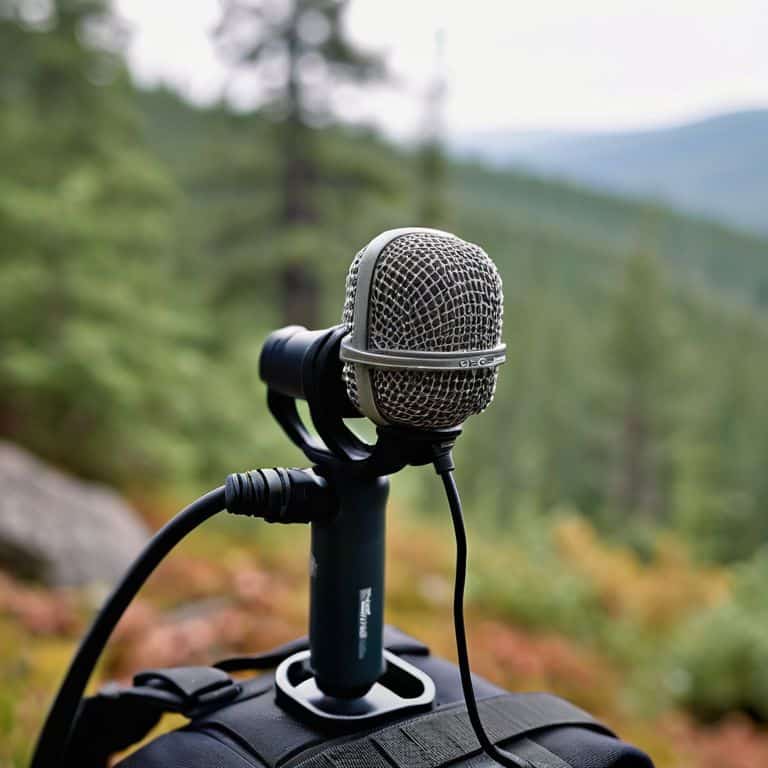
As I’ve learned from my own experiences capturing audio in the wilderness, reducing wind noise is crucial for clear recordings. One technique I swear by is using external microphone options for travel, which can greatly minimize the impact of harsh environmental conditions. Whether I’m filming a serene landscape or a high-intensity activity, these microphones have proven to be a game-changer.
When it comes to camera equipment, understanding the best audio settings can make all the difference. I’ve found that adjusting the gain and frequency response can help optimize the sound quality, even in challenging environments. Additionally, using a lavalier microphone can provide more focused and intimate audio, which is perfect for capturing voiceovers or interviews during my travels.
In post-production, editing software for noise reduction is a lifesaver. I rely on these tools to refine my audio and eliminate any unwanted background noise. For instance, when recording audio on my smartphone, I use specific smartphone audio recording tips to ensure the sound is crisp and clean. By combining these techniques with the right equipment, I’m able to achieve high-quality audio that elevates my travel videos and immerses my audience in the experience.
Mastering External Microphone Options
When it comes to capturing high-quality audio, external microphones are a game-changer. I’ve had my fair share of experimenting with different types, from lavaliers to shotguns, and each has its own unique strengths. For instance, lavalier mics are perfect for interviews, while shotgun mics excel at picking up sound from a distance. I’ve found that having a few trusted external mics in my backpack can make all the difference in elevating my travel video audio.
My go-to external microphone is a rugged, waterproof lavalier that’s withstood countless adventures. Its battery life is impressive, lasting up to 8 hours on a single charge, making it perfect for long shoots in remote locations. By investing in a reliable external microphone, you’ll be able to capture rich, immersive audio that brings your travel videos to life.
Reducing Wind Noise With Ease
When filming in the great outdoors, wind noise can quickly become your worst enemy. I’ve lost count of how many otherwise perfect shots have been ruined by a loud gust of wind. To combat this, I swear by windjammers and furry windshields – they’re a simple but effective solution. These clever accessories can be slipped over your external microphone to dampen wind noise, and they’re surprisingly effective even in harsh conditions.
I’ve used them to capture crisp, clear audio in everything from windy mountain peaks to bustling city streets. By reducing wind noise, you can ensure your travel videos sound professional and polished, even when filming in challenging environments. It’s a small but significant detail that can make all the difference in elevating your travel video audio.
Capture Crystal Clear Sound: 5 Essential Tips for Travel Videographers
- Record in a quiet environment or use noise-cancelling techniques to minimize background disturbance
- Invest in a high-quality external microphone designed for travel and outdoor use
- Monitor your audio levels regularly to avoid distortion and ensure optimal sound
- Use a windscreen or furry windjammer to reduce wind noise when recording in outdoor environments
- Keep your recording device stable and secure to prevent handling noise and camera shake
Key Takeaways for Capturing Unforgettable Travel Video Audio
Invest in a high-quality external microphone that suits your travel style, whether it’s a lavalier, shotgun, or wireless model, to significantly enhance the audio quality of your videos
Implement effective wind noise reduction techniques, such as using windshields, fur windjammers, or recording in sheltered locations, to minimize unwanted noise and ensure crisp audio
Develop a habit of monitoring and adjusting your audio settings regularly, considering factors like environment, distance, and movement, to capture rich, immersive audio that complements your visual storytelling
Capturing Life's Soundtrack
The right audio can transform a dull, forgettable travel video into an immersive, heart-pounding experience – so don’t be afraid to experiment and find the sound that brings your adventures to life.
Rachel Bennett
Bringing Your Travel Videos to Life with Great Audio
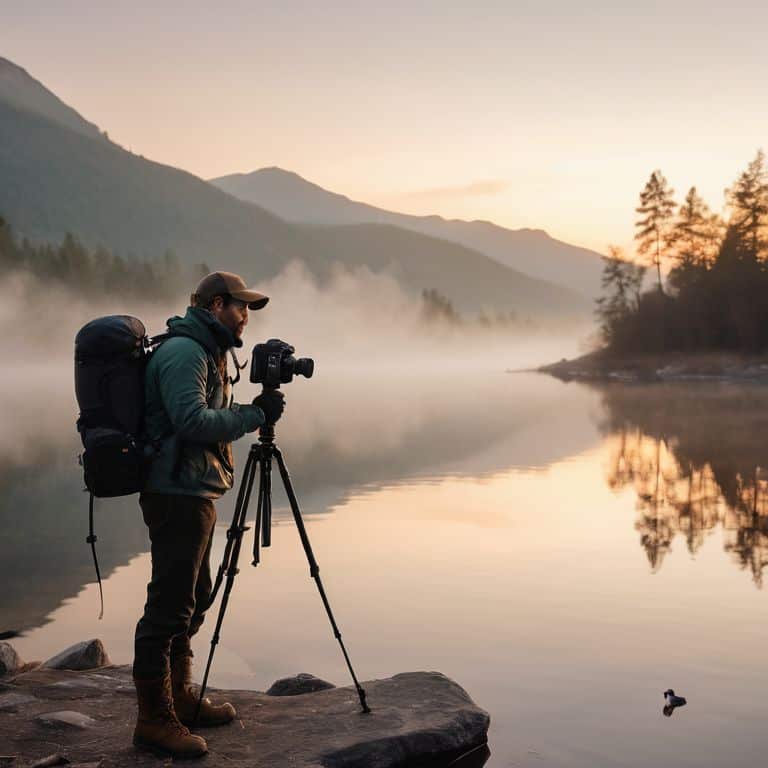
As I wrap up this guide on how to get better audio for your travel videos, remember that capturing high-quality sound is just as important as getting that perfect shot. We’ve covered the basics of using external microphones, reducing wind noise, and elevating your travel video audio to the next level. Whether you’re a seasoned traveler or just starting to document your adventures, investing in good audio equipment and learning how to use it effectively will make a huge difference in the end result. By following these steps and tips, you’ll be well on your way to creating travel videos that truly immerse your viewers in the experience.
So, the next time you’re planning a trip, don’t forget to pack your audio gear and get creative with your soundscapes. With great audio, you can transport your viewers to new and exciting places, and make them feel like they’re right there with you. As you continue to explore and document our amazing world, remember that the right gear and a little practice can go a long way in bringing your travel videos to life.
Frequently Asked Questions
What are the best types of external microphones for capturing high-quality audio in loud or windy environments?
For loud or windy environments, I swear by shotgun mics like the Rode VideoMicro or lavalier mics like the Sennheiser G4 – they’re total game-changers. I also love windjammers and furry windshields for extra protection against those harsh gusts.
How can I effectively reduce echo or reverb in indoor spaces when recording audio for my travel videos?
When battling echo in indoor spaces, I swear by portable acoustic panels or DIY solutions like draping blankets. These simple hacks can significantly reduce reverb, ensuring your audio sounds crisp and professional, even in challenging environments like grand halls or empty rooms.
What are some tips for syncing external audio recordings with video footage in post-production for a seamless editing experience?
When syncing external audio with video, I swear by using a clapperboard or a simple voice cue to mark the start of each take – it makes editing a breeze. I also rely on auto-sync features in my editing software, like Adobe Premiere or Final Cut Pro, to streamline the process and avoid tedious manual syncing.