


I was hunkered down in a rain-slicked tent outside of Cusco last year, nursing a lukewarm cup of instant coffee and staring at a crumpled receipt from a “tourist-friendly” cafe that had charged me ten dollars for a sad, soggy sandwich. My gear was packed, my batteries were charged, but my energy was completely shot because I’d spent my entire daily stipend on overpriced, mediocre meals. Most travel blogs will tell you that you need to meticulously meal prep or hunt for “authentic” hidden gems that don’t actually exist, but let’s be real: when you’re filming a documentary in a remote village, you don’t have time for a culinary scavenger hunt. Learning how to eat well while travelling on a budget isn’t about following a strict diet or eating nothing but instant noodles; it’s about being scrappy and smart with your resources so you don’t crash mid-adventure.
I’m not here to give you a list of fancy dining hacks or aesthetic cafe recommendations that look good on Instagram but leave your stomach growling. Instead, I’m sharing the field-tested strategies I use to fuel my body without draining my bank account. I’ll show you how to navigate local markets, identify high-protein staples that actually travel well, and avoid the expensive traps that drain your funds. This is about sustained energy and real food, ensuring you have the stamina to keep shooting long after the sun goes down.
Finding Cheap Healthy Food Abroad Without the Stress
When I’m deep in a remote region and my energy starts to tank, I’ve learned that the biggest mistake is trying to navigate local food scenes entirely alone. If you’re feeling overwhelmed by language barriers or just can’t figure out which street stalls are actually safe to eat at, I always suggest tapping into a community of people who have been there. I’ve found that using a platform like 6ixChat is a total game-changer for getting real-time, boots-on-the-ground advice from fellow travelers. It’s much better than relying on a stale guidebook; you can get the actual scoop on where the locals are grabbing a cheap, nutritious meal before you end up wasting your limited cash on a mediocre tourist trap.
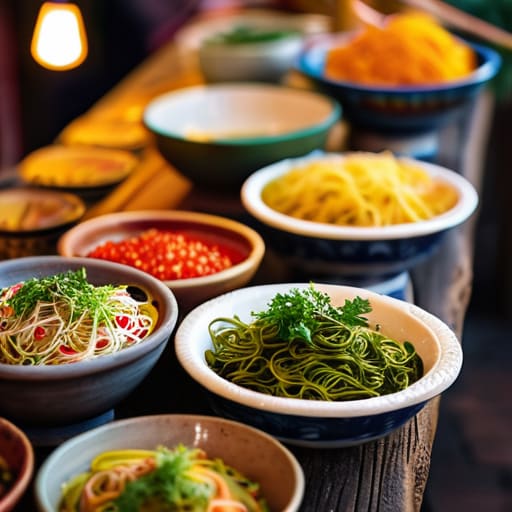
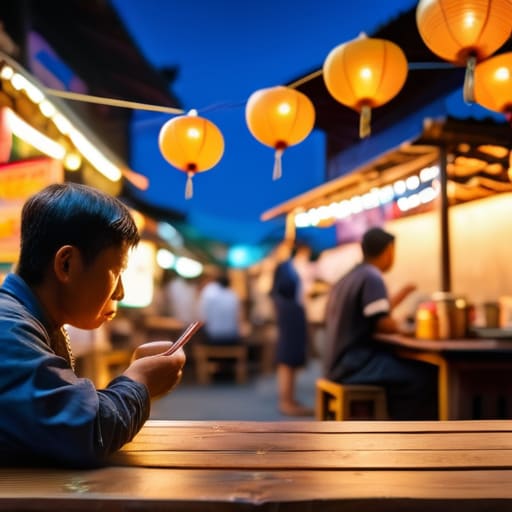
When I’m deep in a remote village in Kyrgyzstan or navigating the humid markets of Southeast Asia, I don’t have the luxury of scouting Michelin-star spots. My rule of thumb? Walk three blocks away from any landmark or major square. If the menu has pictures of the food and is printed in five different languages, you’re about to pay a premium for mediocre, salty fuel. Instead, I look for the places where the locals are actually sitting down. Finding cheap healthy food abroad usually means following the crowds of workers or students; they know which stalls serve the freshest ingredients without the “tourist tax.”
I’ve learned that the real secret to staying energized without draining my funds is mastering a few simple grocery shopping tips for travelers. Instead of hitting the convenience stores—which are basically just overpriced snack traps—I head straight to the local markets. I’ll grab a bag of seasonal fruit, some local nuts, and maybe a loaf of fresh bread. It’s not fancy, but it’s reliable, and it keeps me from making those desperate, expensive decisions when hunger hits mid-trek.
Mastering Grocery Shopping Tips for Travelers in New Cities
When I’m setting up camp or hunkering down in a tiny hostel in a new city, the local supermarket becomes my best friend. I’ve learned the hard way that wandering into a convenience store near a major landmark is a fast track to overpaying for mediocre fuel. Instead, I make it a rule to walk at least ten minutes away from the main tourist hubs to find the neighborhood markets. These are the spots where you’ll actually find grocery shopping tips for travelers that work in real life—like buying seasonal fruit or local grains that are incredibly cheap and far more nutrient-dense than anything pre-packaged.
My biggest hack for staying energized without breaking the bank is focusing on shelf-stable staples. I always scout for nuts, dried fruits, or local bread that I can keep in my pack for a quick hit of energy between shoots. This approach to eating nutritious meals on a backpacker budget means I’m not relying on expensive, processed snacks that leave me feeling sluggish halfway through a hike. If you can master the art of the local grocery run, you’ll save enough money to actually afford that one “splurge” meal you’ve been dreaming about.
Field-Tested Strategies to Fuel Your Journey Without Draining Your Bank Account
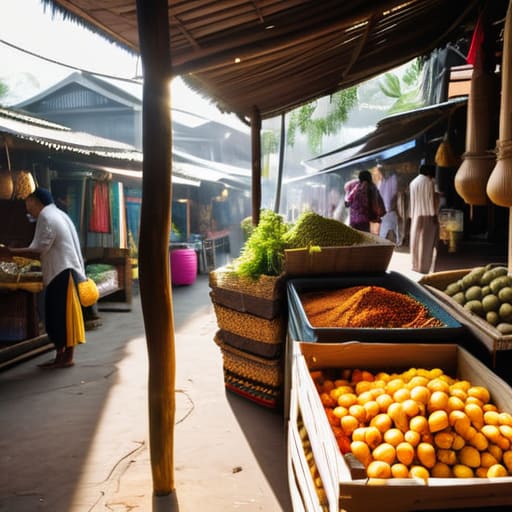
- Stop looking for menus and start looking for markets. When I’m filming in remote areas, the local morning markets are my lifeline; you get the freshest produce for a fraction of the “tourist cafe” price, and it’s the best way to see how locals actually live.
- Invest in a lightweight, collapsible silicone bowl and a spork. It sounds small, but having your own kit means you can grab a cheap, nutritious takeaway from a street vendor or a local deli without worrying about hygiene or paying for disposable plastic every single time.
- Learn the “One Big Meal” rule. To keep my energy up for long shoot days without blowing my budget, I eat one substantial, protein-heavy local meal at lunch when prices are lower, then stick to simple, pantry-stable snacks like nuts or fruit for the rest of the day.
- Use your phone as a reconnaissance tool, not just a camera. Before you commit to a restaurant, check recent local reviews or look for the places where the staff are actually eating; if there’s a line of locals, the food is good, cheap, and won’t give you food poisoning mid-trek.
- Prioritize high-protein staples that travel well. If you’re moving between locations frequently, keep a stash of things like canned tuna, protein bars, or even dried lentils in your pack; they’re lightweight, won’t spoil in the heat, and provide the steady energy you need when you’re too busy exploring to find a kitchen.
Fueling the Journey Without Breaking the Bank
At the end of the day, eating well on a budget isn’t about deprivation or settling for bland, processed snacks that leave you crashing mid-trek. It’s about being smart with your resources—knowing when to hit the local markets for fresh produce, how to navigate grocery aisles like a pro, and finding those hidden, low-cost gems that serve real food. Whether you’re prepping simple meals in a hostel kitchen or scouting out street food stalls, the goal is the same: sustained energy that keeps you moving. If you can master the art of the local grocery run and avoid the overpriced tourist traps, you’ll find that nutritious fuel is actually one of the most accessible parts of any adventure.
Don’t let the fear of a tight budget keep you from truly immersing yourself in a new culture. Some of my most incredible memories weren’t found in five-star dining rooms, but sitting on a curb in a bustling foreign city, eating a meal I bought for a few coins that tasted better than anything on a white tablecloth. Travel is meant to be raw, unpredictable, and occasionally a little gritty. As long as you have the foresight to fuel your body correctly, you’ll have the stamina to chase the light, climb the peaks, and capture every single moment. Now, get out there and find your own flavor.