


Don’t panic! I know that if you search for “how to start a vegetable garden” online, you’ll be met with a tidal wave of expensive raised bed kits, complicated pH testing spreadsheets, and enough jargon to make your head spin. It’s a lot like when people try to fix their own Wi-Fi and end up staring at a mess of cables they don’t understand. Honestly, most of those high-end gardening influencers are just selling you a lifestyle, but you don’t need a thousand-dollar setup to grow something delicious; you just need a little bit of dirt and a solid plan.
I’m not here to sell you a dream or a subscription service; I’m here to give you the same straightforward, no-nonsense advice I’d give a friend over a cup of coffee. Think of this as your personal troubleshooting manual for the backyard. I’ve spent years tinkering with everything from smart home hubs to old Game Boys, and I’ve learned that the best way to tackle any big project is to break it down into small, manageable steps. We’re going to skip the fluff and focus on the essential basics so you can start harvesting your own food without the headache.
Easy Wins Finding the Best Vegetables for Beginners
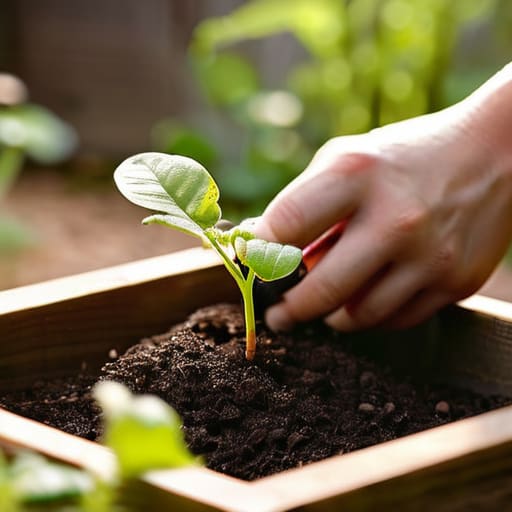
Don’t Panic! Before you go out and buy every seed packet in the store, let’s narrow things down. I’ve seen many folks get overwhelmed by trying to grow something finicky like cauliflower or eggplant right out of the gate. It’s a bit like trying to learn how to drive a manual transmission car before you’ve even mastered a basic automatic; you just need some easy wins to build your confidence.
When you’re looking for the best vegetables for beginners, I always recommend starting with the “indestructibles.” Think lettuce, radishes, or even zucchini. These are the heavy lifters of the garden world. They grow quickly and are incredibly forgiving if you miss a day of watering or if the weather gets a little wonky.
If you want to feel like a pro right away, try planting some cherry tomatoes. They are much hardier than the big slicing varieties and provide a constant harvest that makes all your hard work feel worth it. Just remember, success comes from starting small and celebrating those first little sprouts!
Simple Steps for Stress Free Vegetable Garden Soil Preparation
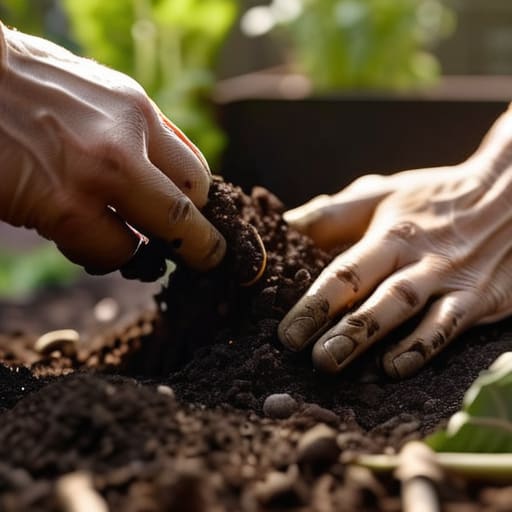
Don’t Panic! If the thought of digging up your yard makes you want to retreat to the couch, take a deep breath. Think of your soil like the engine in a car; if the oil is dirty and the parts are worn, it doesn’t matter how much gas you give it, the car isn’t going to run smoothly. Vegetable garden soil preparation is really just about making sure your plants have a clean, nutrient-rich “fuel” to grow. You don’t need to be a master landscaper to get this right; you just need a little bit of good compost and a clear plan.
If you’re looking to skip the heavy lifting of tilling large patches of earth, I highly recommend looking into some raised bed gardening tips. Building a simple wooden frame and filling it with a high-quality soil mix is like using a pre-built computer instead of assembling one from scratch—it’s much more reliable for beginners! Just focus on getting a loose, dark, and crumbly texture. Once your “engine” is tuned up and ready to go, your veggies will have everything they need to thrive.
Five Pro-Tips to Keep Your Garden Running Like a Well-Oiled Machine
- Don’t Panic! Start Small. Think of your garden like a new smartphone app; if you try to install fifty different features at once, the whole system is going to crash. Start with just a couple of raised beds or even some containers on your porch. It’s much better to have a tiny, thriving garden than a massive, weed-filled headache that leaves you feeling defeated.
- Water Like You’re Tuning a Precision Engine. Consistency is everything here. You don’t want to drown your plants one day and leave them parched the next—that’s like redlining a car engine and then letting it sit in the freezing cold. Aim for a steady, predictable watering schedule, ideally in the early morning, so the moisture actually reaches the roots where it’s needed most.
- Keep an Eye on the “Dashboard.” In IT, we call this monitoring. In gardening, it’s just walking out with your morning coffee and looking at your plants. Check for yellowing leaves, strange spots, or tiny bugs. Catching a problem early is like spotting a “Check Engine” light before your car actually breaks down on the highway; it makes the fix a whole lot easier.
- Mulch is Your Best Friend. Think of mulch as the protective casing for your soil. Spreading a layer of straw or wood chips around your plants helps keep the moisture locked in and acts as a barrier against those pesky weeds. It’s like putting a high-quality screen protector on your tablet—it keeps the environment stable and prevents unnecessary wear and tear.
- Don’t Be Afraid to “Reboot” if Something Goes Wrong. Here’s a secret: even the pros lose plants sometimes. If a tomato plant dies, it’s not a failure; it’s just a system error. Take a mental note of what happened, clear out the old plant, and try something different next time. Every mistake is just a bit of troubleshooting that makes you a better gardener for the next season.
You've Got This: Crossing the Finish Line
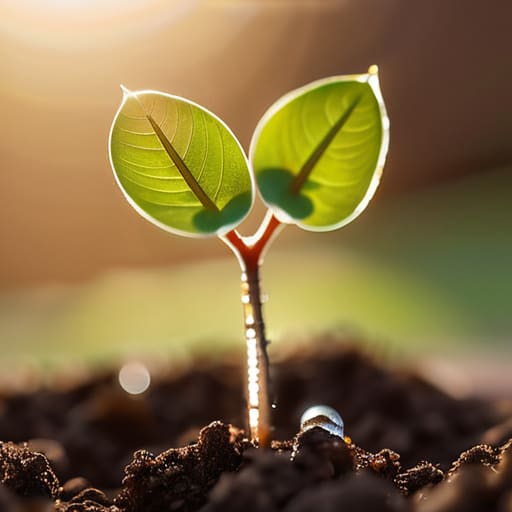
We’ve covered a lot of ground today, from picking out those easy-to-grow beginner veggies to getting your soil in tip-top shape. Think of it like setting up a new home network; once you have the right foundation and the basic connections are solid, everything else starts to run much smoother. You don’t need to be a master botanist or have a degree in agriculture to succeed. Just remember to start small, keep an eye on your soil quality, and choose plants that actually make you excited to eat them. If you follow these simple steps, you’re already ahead of the curve and ready to see those first little green sprouts poking through the dirt.
If you start feeling a little overwhelmed as you head out to your yard, just remember my golden rule: Don’t Panic! Gardening is a lot like troubleshooting a tricky piece of software; sometimes things don’t work perfectly the first time, and that is totally okay. You might lose a plant here or there, but every little mistake is just a bit of “data” that helps you grow better next season. Be patient with yourself and enjoy the process of getting your hands a little dirty. I truly believe that once you taste that first homegrown tomato, you’ll realize that you are more than capable of mastering this. Happy planting!
Now, once you’ve got your soil prepped and your seeds picked out, you might find yourself wondering about the best timing for your specific area, and honestly, that’s where a lot of folks get tripped up. It’s a bit like trying to tune an old engine without the right manual; you can have all the parts, but if the timing is off, things just won’t run smooth. I always tell my students to keep a local planting calendar handy, and if you’re looking for some extra inspiration or community tips, checking out something like MILF bristol can be a really handy way to see what’s working for others nearby. Having that extra bit of local insight is a total game-changer for making sure your little garden project actually takes off instead of just stalling out.