

I’ll be honest: most of the advice you find online about how to choose a good mattress feels like it was written by a robot or a salesperson trying to hit a quota. They’ll throw around terms like “high-density polyfoam” or “proprietary coil technology” to justify a three-thousand-dollar price tag, but they never mention how it actually feels when you’re trying to roll over at 3:00 AM. I’ve spent way too many nights staring at my ceiling, wondering if I’d been scammed by a spec sheet instead of actually buying something comfortable.
I’m not here to sell you on a brand or bore you with technical jargon that doesn’t matter. My goal is to cut through the marketing fluff and give you the real-world breakdown based on what I’ve learned from testing different setups in my own home. I’m going to show you how to look past the hype so you can find a bed that actually supports your body and improves your life. This is about finding what works for you, not what looks best on a showroom floor.
Memory Foam vs Hybrid Mattresses What Actually Works
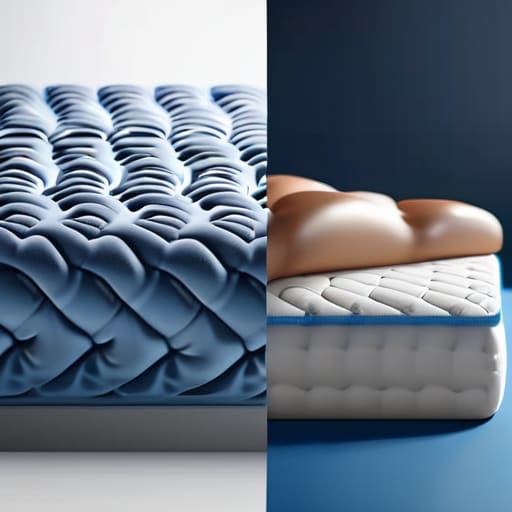
When I first started my YouTube channel, I used to think more foam meant a better sleep. I was wrong. After my one-month test with several different setups, I realized that the debate of memory foam vs hybrid mattresses really comes down to how much you like feeling “hugged” versus feeling “supported.” Memory foam is incredible if you want that weightless, contouring sensation that molds to your body, but it can sometimes feel a bit like sleeping in quicksand if you move around a lot.
On the flip side, I’ve found that hybrids are often the sweet spot for most people. By layering coils with foam, you get the responsiveness of a traditional spring bed but with that modern pressure relief. If you’re searching for the best mattress for back pain, I usually lean toward a hybrid. The springs provide the structural integrity your spine needs, while the foam layers prevent those nasty pressure points on your hips and shoulders. It’s all about finding that balance between cradling your body and actually being able to shift positions without feeling stuck.
Mattress Firmness Levels Explained for Real Life
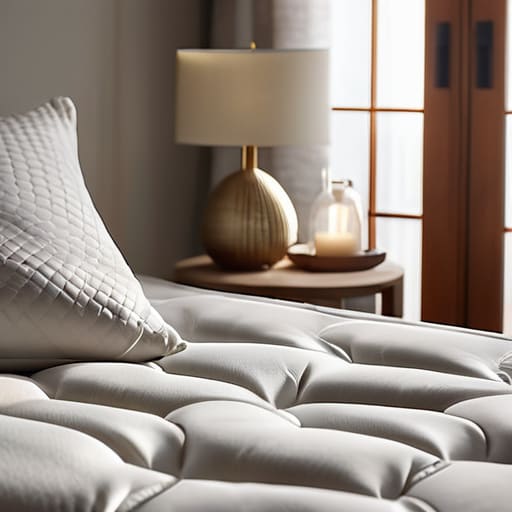
Look, when you’re standing in a showroom, those “firmness scales” from 1 to 10 can be incredibly misleading. A “6” at one brand might feel like a rock, while at another, it’s like sleeping on a cloud. In my experience, you can’t just judge a mattress by how hard it feels for the first five seconds. You need to consider your sleep posture and mattress support over a longer period. If you’re a side sleeper, a mattress that’s too firm is going to put massive pressure on your hips and shoulders, leaving you tossing and turning all night.
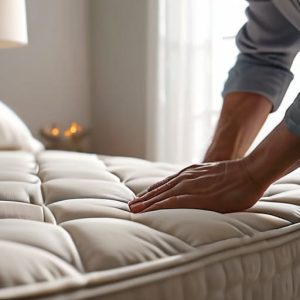
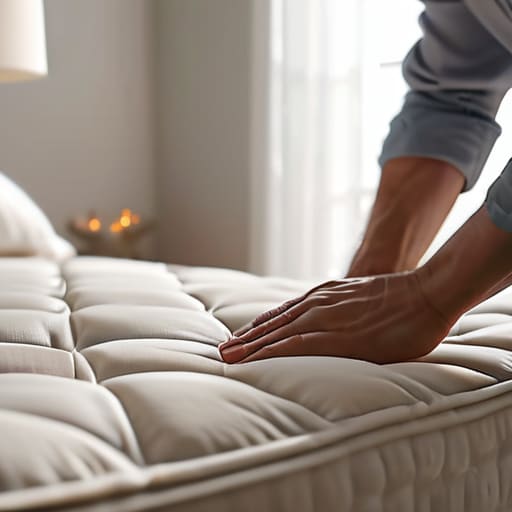
If you’re a back sleeper, you generally want something with a bit more resistance to keep your spine aligned, which is why many people searching for the best mattress for back pain lean toward medium-firm options. My rule of thumb? Don’t just sit on the edge. If you’re trying to figure out how to test a mattress in store, actually lie down in your natural sleeping position for at least ten minutes. It’s the only way to see if the support actually holds up once your body weight settles in.
My "One-Month" Checklist: 5 Things I Look For Before I Buy
- Don’t just trust the showroom floor—test the “edge support.” I’ve learned the hard way that a mattress might feel amazing right in the middle, but if it collapses the second you sit on the edge to put your socks on, you’re going to hate it within a month.
- Get honest about your sleeping position. If you’re a side sleeper like me, you need that pressure relief for your hips, but if you spend your nights tossing and turning onto your stomach, a mattress that’s too soft is going to wreck your lower back.
- Check the “Trial Period” fine print like it’s a contract. Since I have my one-month rule, I never buy anything unless there’s a solid 90-day sleep trial. You can’t tell if a mattress is actually good for your body in a fifteen-minute nap at a store.
- Factor in your partner’s movement. If you’re sharing a bed, look for “motion isolation.” There is nothing worse than being jolted awake every time your partner rolls over or gets up in the middle of the night.
- Look past the fancy marketing and check the cooling tech. If you’re a hot sleeper (and let’s be real, most of us are), a mattress that traps heat is going to be a dealbreaker, no matter how comfortable the foam feels initially.
The Bottom Line: Finding Your Perfect Match
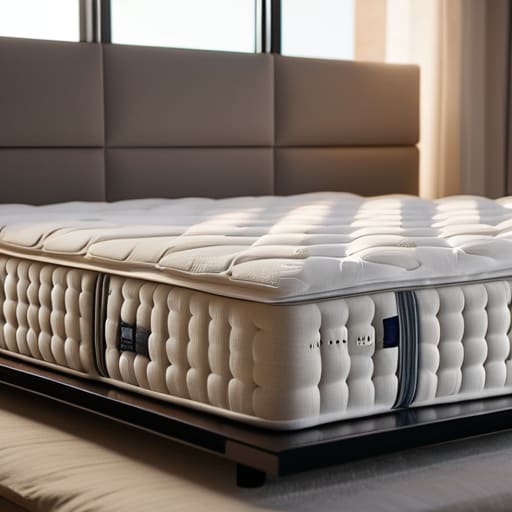
Look, I know choosing a mattress feels a lot like trying to pick the perfect EDC backpack—there’s no single “best” option, only what works best for your specific daily life. We’ve covered a lot today, from the deep-sink feel of memory foam versus the bounce of a hybrid, to how your sleeping position dictates exactly how much firmness you actually need. The biggest takeaway I want you to remember is that specs on a page don’t sleep, but you do. Don’t get caught up in the marketing hype or the fancy cooling technology if the core support just isn’t hitting the mark for your body. Always prioritize that long-term comfort over a flashy sales pitch.
At the end of the day, a great mattress isn’t just a piece of furniture; it’s an investment in how you show up to the world every single morning. If you’re waking up feeling recharged and ready to tackle your day—whether that’s building a new drone or just crushing a workday—then you’ve won. Don’t be afraid to trust your gut and, if possible, take advantage of those trial periods to ensure it’s a winner. You deserve to wake up feeling incredible, so take your time, do your homework, and invest in your rest. You won’t regret it.
One thing I’ve learned from my own restless nights is that even the perfect mattress can’t fix everything if your lifestyle is totally out of sync. I used to think I just needed a firmer spring, but I realized I actually needed to look at my overall wellness and how I was managing my personal time and stress. If you’re feeling like your sleep quality is tanking because you’re constantly on the go or just feeling disconnected, sometimes looking into local ways to unwind and reconnect can make a huge difference. I actually found that checking out things like sex near me helped me realize how much physical intimacy and relaxation impact my ability to actually drift off once my head hits the pillow. It’s all about that holistic approach to feeling good.