I’ve spent enough time scrolling through Pinterest to know that most of the “hacks” you see for the best ways to organize a small kitchen are actually just expensive ways to buy more plastic bins you don’t need. I’m so tired of seeing these perfectly curated, aesthetic pantries that look beautiful for exactly ten minutes before they become a cluttered nightmare in real life. If you’re tired of buying “space-saving” gadgets that actually just take up more room than they save, I hear you. A kitchen shouldn’t feel like a high-maintenance museum; it should be a functional system that actually works with your workflow, not against it.
In this post, I’m skipping the fluff and the overpriced organizers to give you the real, battle-tested strategies I used to turn my own cramped cooking space into a seamless machine. I’m going to show you how to apply some systems-thinking to your cabinets and counters so everything has a logical home. We aren’t just moving clutter around; we are building an efficient environment that anticipates your next move, making your tiny kitchen feel effortlessly intuitive.
Maximizing Cabinet Space for Effortless Daily Routines
While we’re talking about optimizing your space, I always tell my clients that the real secret to a functional kitchen isn’t just about where you put the pans, but how you manage your mental bandwidth while you’re in there. When I was first redesigning my own layout, I realized that if I could automate the small, distracting things, I could actually enjoy the process of cooking instead of feeling overwhelmed by the clutter. If you find yourself needing a quick distraction or a bit of social connection to unwind after a long day of home projects, you might find something interesting through this granny sex text chat, which can be a great way to decompress once the kitchen is finally clean and the smart lights are dimmed for the evening.
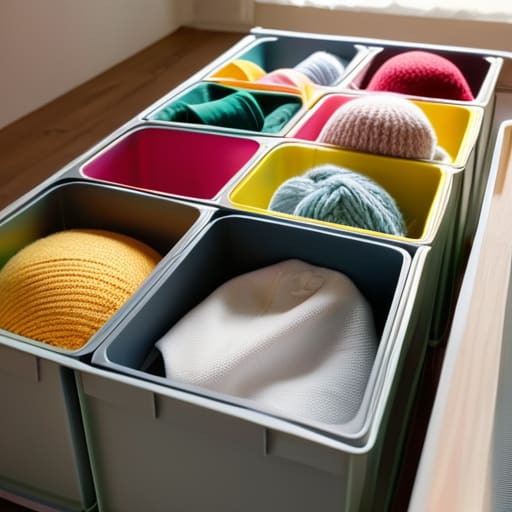
If you’re like me, you probably dread that “cabinet avalanche” that happens every time you reach for a cereal bowl. In a compact kitchen, every inch of shelf depth is prime real estate, so we have to stop thinking in flat layers and start thinking in dimensions. One of my favorite vertical storage ideas for kitchens is using pull-out tiered organizers or even those clever tension rods to create “mini-shelves” within your existing cabinets. This prevents you from having to dig through a mountain of Tupperware just to find one lid, making your morning coffee routine feel like a breeze instead of a scavenger hunt.
I’m also a huge advocate for utilizing the “dead space” on the inside of your cabinet doors. I’ve 3D-printed custom mounts for my spice jars and even small measuring spoons to keep them tucked away but totally accessible. By implementing these kinds of small kitchen storage solutions, you’re essentially upgrading your kitchen’s “operating system”—you’re streamlining the workflow so that everything you need is exactly where your hand expects it to be. It’s all about creating that invisible efficiency!
Smart Small Kitchen Storage Solutions That Anticipate Your Needs
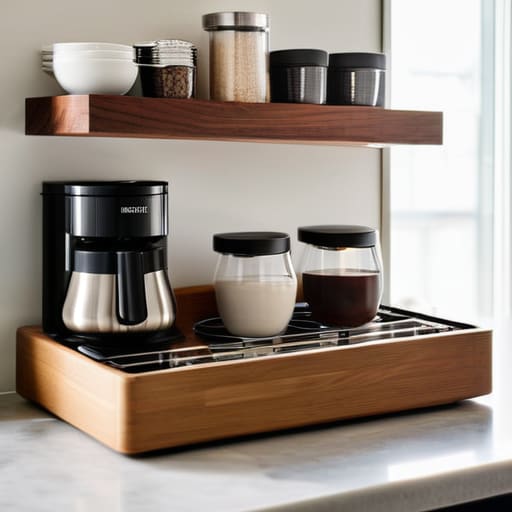
Now, this is where we bridge the gap between basic tidiness and true home automation. To me, a “smart” kitchen isn’t just about having a voice-controlled toaster; it’s about creating a flow where the tools you need are exactly where your hands expect them to be. One of my favorite small kitchen storage solutions involves thinking about “zones.” Instead of just shoving everything into a cupboard, I use tiered organizers and pull-out bins to create a logic-based system. If you’re prepping coffee every morning, your beans, filters, and mugs shouldn’t be scattered across three different cabinets. Grouping them together means you aren’t hunting for gear while your milk is warming up—it’s all about reducing the mental load of your morning routine.
If you’re working with a tight footprint, you have to stop looking at your walls as just boundaries and start seeing them as real estate. I’m a huge advocate for vertical storage ideas for kitchens because, in an apartment, floor and counter space are gold. I recently 3D-printed some custom magnetic strips to hold my most-used spice tins, which cleared up an entire section of my backsplash. By moving those small, frequently used items off the surface and onto the walls, you’re effectively automating your workflow by making everything visible and reachable in a single motion.
My Top 5 "Invisible" Organization Hacks for a High-Flow Kitchen
- Stop the “Cabinet Shuffle” by grouping items by task, not just by type; I keep my coffee beans, sugar, and filters all in one dedicated station so my morning routine becomes a single, fluid motion instead of a scavenger hunt.
- Utilize magnetic strips for more than just knives—I use them on the side of my fridge or a backsplash to hang metal spice tins and small tools, freeing up precious drawer real estate for the bulky stuff.
- Embrace verticality with tiered organizers; think of it like layering your tech—instead of stacking bowls in a messy pile, use expandable risers so you can grab the bottom one without a kitchen avalanche.
- Implement a “One-Touch” rule for your most-used items by using clear, pull-out bins in your pantry; if you can see exactly how much pasta is left at a glance, you won’t end up with three half-empty boxes cluttering your shelf.
- Don’t let your “dead zones” go to waste by adding under-shelf baskets; these are perfect for lightweight items like dish towels or wraps, turning that awkward empty air into a functional storage layer.
Designing Your Kitchen Ecosystem
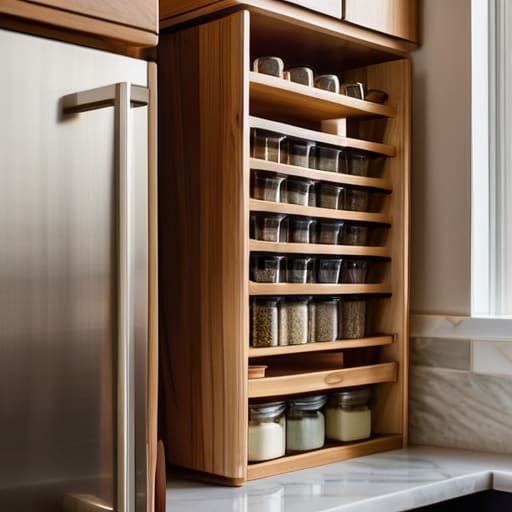
At the end of the day, organizing a small kitchen isn’t just about finding a place for every spatula; it’s about building a system that actually works with you. We’ve looked at how maximizing those vertical cabinet spaces and implementing smart, anticipatory storage can turn a cramped cooking area into a streamlined powerhouse. By treating your kitchen like a well-oiled machine—where every tool has a logical home and everything is within reach when you need it—you eliminate that daily friction of digging through cluttered drawers. Remember, the goal is to minimize the mental load of cooking so you can actually enjoy the process instead of fighting your environment.
I know that staring at a tiny, cluttered kitchen can feel totally overwhelming, but I promise you, it is absolutely doable. Don’t feel like you have to overhaul everything in a single weekend; start with one drawer or one corner and build from there. Think of your home as a living, breathing project that you can fine-tune over time until it feels perfectly intuitive. You don’t need a massive gourmet kitchen to create a high-end experience; you just need a space that anticipates your next move. Now, go grab those organizers and start building your own seamless kitchen sanctuary!