


I still remember the time my camera slipped out of my hands and into a river while I was capturing a time-lapse of the stars in the Atacama Desert. Luckily, it was rated IP67, and after a quick rinse, it was good as new. But that incident made me realize the importance of understanding a guide to ip waterproof ratings when it comes to choosing gear for my adventures. I’ve since learned that knowing the IP rating of a device can be the difference between capturing the shot of a lifetime and watching your gear go to waste.
In this article, I’ll share my no-nonsense approach to deciphering IP waterproof ratings, so you can make informed decisions when selecting gear for your next adventure. You’ll learn how to read the codes, what they mean in real-world scenarios, and how to choose devices that can keep up with your fearless travels. My goal is to give you the practical advice you need to focus on capturing incredible moments, not worrying about your gear. With this guide, you’ll be equipped to take on any environment, from dusty trails to underwater explorations, and come out with stunning footage to show for it.
Table of Contents
Guide Overview: What You'll Need
Total Time: 1 hour 30 minutes
Estimated Cost: $0 – $10
Difficulty Level: Easy
Tools Required
- None just a device with internet access
Supplies & Materials
- IP Rating Chart Printout optional for reference
Step-by-Step Instructions
- 1. First, let’s break down the basics of IP waterproof ratings, which are usually represented by a two-digit code – the first digit refers to the level of protection against solid objects, like dust and dirt, and the second digit represents the level of protection against liquids, such as water and moisture. Understanding this system is crucial for choosing the right gear for your adventures.
- 2. Next, it’s essential to decode the first digit, which ranges from 0 to 6, with 0 indicating no protection and 6 indicating the device is completely dust-tight. For most travelers, a device with a rating of 5 or 6 is ideal, as it can withstand being in dusty environments, such as deserts or construction sites, without malfunctioning.
- 3. Now, let’s dive into the second digit, which represents the level of protection against liquids. This digit ranges from 0 to 9, with 0 indicating no protection and 9 indicating the device can withstand being submerged in water under pressure. For example, a rating of 7 means the device can withstand being submerged in water up to 1 meter deep for 30 minutes.
- 4. To make an informed decision, you need to consider your environment. If you plan to use your device near water, such as for underwater photography or in rainy conditions, look for a high second-digit rating. On the other hand, if you’ll be in extremely dusty environments, focus on the first digit.
- 5. It’s also important to look beyond the numbers and check the device’s specifications for any additional protection features, such as waterproof membranes or sealed ports. These features can provide extra protection against the elements and give you peace of mind when using your device in harsh conditions.
- 6. When comparing devices, compare the whole package, not just the IP rating. Consider factors like battery life, durability, and weight, as these can all impact your ability to use the device in the field. For me, battery life is a top priority, as there’s nothing worse than running out of power in the middle of nowhere.
- 7. Finally, don’t just take the manufacturer’s word for it – put the device to the test. If possible, try using the device in the conditions you expect to encounter on your travels. This will give you a real-world understanding of its capabilities and limitations, and help you make a more informed decision about whether it’s the right choice for your adventures.
A Guide to Ip Waterproof Ratings
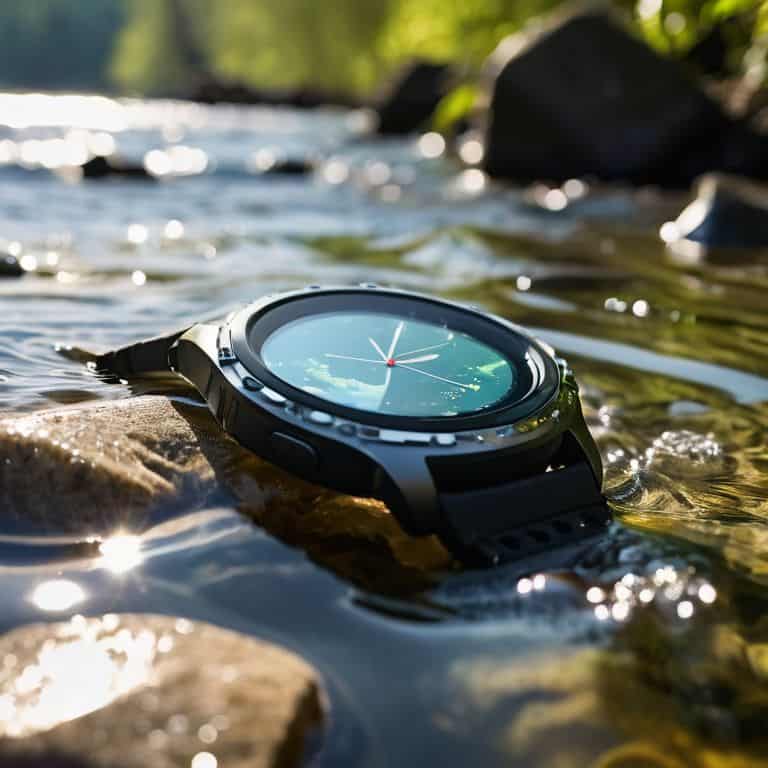
As I’ve learned from my own adventures, gadget durability tests are crucial in understanding how well a device can withstand the elements. When it comes to water resistance in smartwatches, for instance, a higher IP rating can be a lifesaver. I recall a particularly grueling hike where my smartwatch was submerged in a river, and its ip67 rating proved to be more than sufficient.
In my experience, the ip67 vs ip68 comparison is often a point of confusion for many travelers. While both ratings indicate a level of water resistance, the key difference lies in the depth and duration of exposure. For those who plan to engage in water sports or activities, an ip68 rating is generally the better choice. However, for the average traveler, an ip67 rating should suffice.
When choosing a device with a suitable IP rating, it’s essential to consider the ip rating explained in the context of your specific needs. If you’re planning to capture underwater footage, for example, you’ll want a device with a high IP rating and waterproof smartphone features that can withstand the pressure. By understanding the IP code and its implications, you can make informed decisions and focus on capturing those unforgettable moments, rather than worrying about your gear.
Ip Rating Explained for Dummies
So, what does IP actually mean? It stands for Ingress Protection, which is just a fancy way of saying “how well does this thing keep water and dust out?” The rating is made up of two numbers – the first one tells you how well it keeps solid objects (like dust and dirt) out, and the second number tells you how well it keeps water out. For example, a rating of IP67 means the device is totally protected from dust and can withstand being submerged in water up to 1 meter deep for 30 minutes. Simple, right?
I like to think of it like packing for a trip – you need to know what kind of conditions your gear will be facing, and pack accordingly. If you’re planning a relaxing beach vacation, you might not need a device with a super high IP rating. But if you’re like me and love hiking or kayaking, you’ll want gear that can keep up with your adventures.
Ip67 vs Ip68 Whats the Difference
When it comes to withstanding the elements, two IP ratings often get pitted against each other: IP67 and IP68. So, what sets them apart? For me, as a travel videographer, the difference comes down to how much water pressure these devices can handle. IP67 devices can withstand being submerged in water up to 1 meter deep for 30 minutes, which is perfect for accidental drops in shallow water or heavy rain.
IP68 devices, on the other hand, can handle being submerged in water beyond 1 meter, with the exact depth specified by the manufacturer. This makes IP68 gear more suitable for serious underwater adventures or extreme conditions. While both ratings offer great protection, choosing between them depends on your specific needs and the type of adventures you embark on.
Seal the Deal: 5 Key Tips for Mastering IP Waterproof Ratings
- Dive into the details: Understand that the first digit in an IP rating refers to solid particle protection, while the second digit refers to liquid protection
- Don’t get soaked by the specs: Recognize that IP67 and IP68 are often used interchangeably, but IP68 generally offers better protection against deeper water submersion
- Read between the numbers: An IP rating of X8 or X9 means the device has been tested for pressure and can withstand being submerged beyond 1 meter for an extended period
- Water you waiting for: Remember, even with a high IP rating, devices can still be damaged by water if exposed for too long or under too much pressure
- Test the limits: When possible, choose devices with higher IP ratings to ensure your gear keeps up with your adventures, whether that’s snorkeling or hiking in the rain
Key Takeaways for Fearless Travelers
Ditch the device anxiety: understanding IP waterproof ratings helps you choose gear that can keep up with your wildest adventures, from diving to hiking in the rain
Don’t get lost in the codes: knowing the difference between IP67 and IP68 can be a lifesaver (or at least a gadget-saver) when you’re out in the field, capturing those unforgettable moments
Pack smart, not hard: when you prioritize battery life and waterproofing, you can focus on what really matters – capturing the beauty of the world around you, without worrying about your gear giving up on you
Waterproof Wisdom
The right IP waterproof rating can be the difference between capturing the shot of a lifetime and watching your gear go dark – don’t let a little water ruin your adventure, know your IP codes!
Rachel Bennett
Staying Dry and Capturing the Moment

As we wrap up this guide to IP waterproof ratings, it’s essential to remember that understanding these codes is crucial for protecting your gear and ensuring it can withstand the elements. Whether you’re a seasoned adventurer or just starting to explore the great outdoors, knowing the difference between IP67 and IP68 can be a lifesaver – or at least a gear-saver. By choosing the right IP rating for your devices, you can focus on capturing those breathtaking moments without worrying about your equipment failing you.
So the next time you’re planning a dive, a hike, or any other adventure, remember that the right gear can make all the difference. Don’t let a little water or dust hold you back – with the right IP waterproof rating, you can conquer any environment and come back with unforgettable footage. Keep exploring, keep capturing, and always remember to check that IP rating before you head out into the unknown.
Frequently Asked Questions
What are the most common IP waterproof ratings for cameras and smartphones?
For cameras and smartphones, I’ve found that IP67 and IP68 are the most common ratings. IP67 means your device can withstand being submerged in water up to 1.5 meters for 30 minutes, while IP68 offers even more protection, with some devices surviving depths of up to 2 meters for over an hour.
How do I know which IP rating is suitable for my specific outdoor activities?
For me, it’s all about matching the IP rating to the adventure. If you’re hiking in rainy conditions, IP64 might suffice. But if you’re into snorkeling or kayaking, you’ll want at least IP67. And if you’re a serious diver, IP68 is your best bet. I always say, it’s better to over-prepare than to risk gear damage.
Can a device with a lower IP rating still be used in wet conditions with additional protection or cases?
Absolutely, a device with a lower IP rating can still survive wet conditions with the right protection. I always pack a waterproof case or pouch for my gear, especially when filming in rainy or dusty environments – it’s a simple way to boost your device’s durability without breaking the bank.