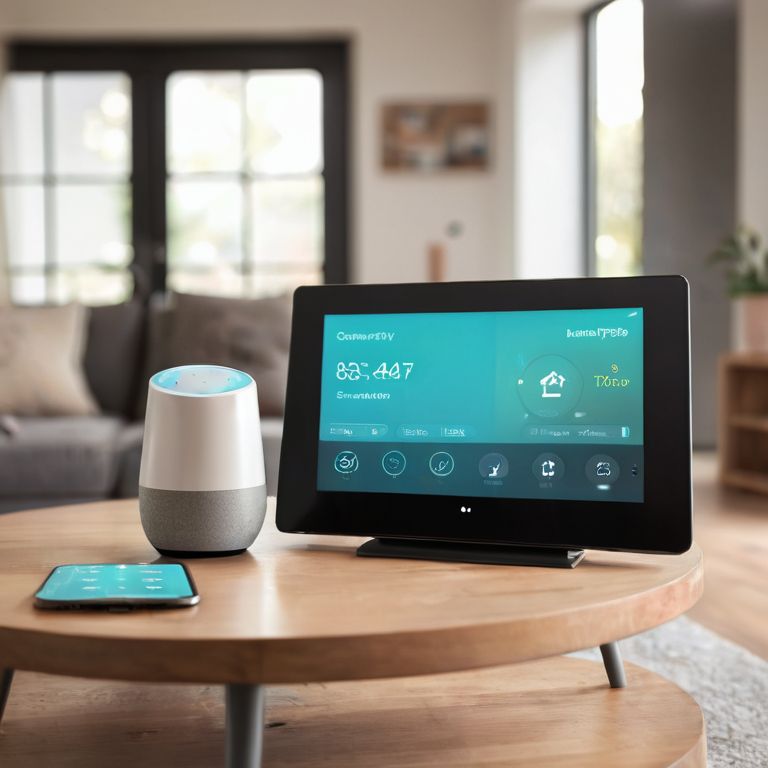



I still remember the excitement and frustration I felt when I first started building my smart home. I was torn between apple homekit vs google home, and the endless research only seemed to make my decision harder. It felt like every article and review was trying to convince me that one was superior to the other, without really considering my unique needs and preferences. As someone who’s passionate about creating a seamless and intuitive smart home experience, I knew I had to cut through the noise and find a solution that truly worked for me.
In this article, I’ll share my personal experience and no-nonsense advice on how to choose between apple homekit and google home. I’ll give you a behind-the-scenes look at how I evaluated these two systems and created a smart home that’s tailored to my lifestyle. My goal is to provide you with a clear understanding of the strengths and weaknesses of each platform, so you can make an informed decision that’s right for you. I’ll skip the technical jargon and focus on the practical implications of each system, helping you to create a smart home that’s truly automated and easy to use.
Table of Contents
Apple HomeKit
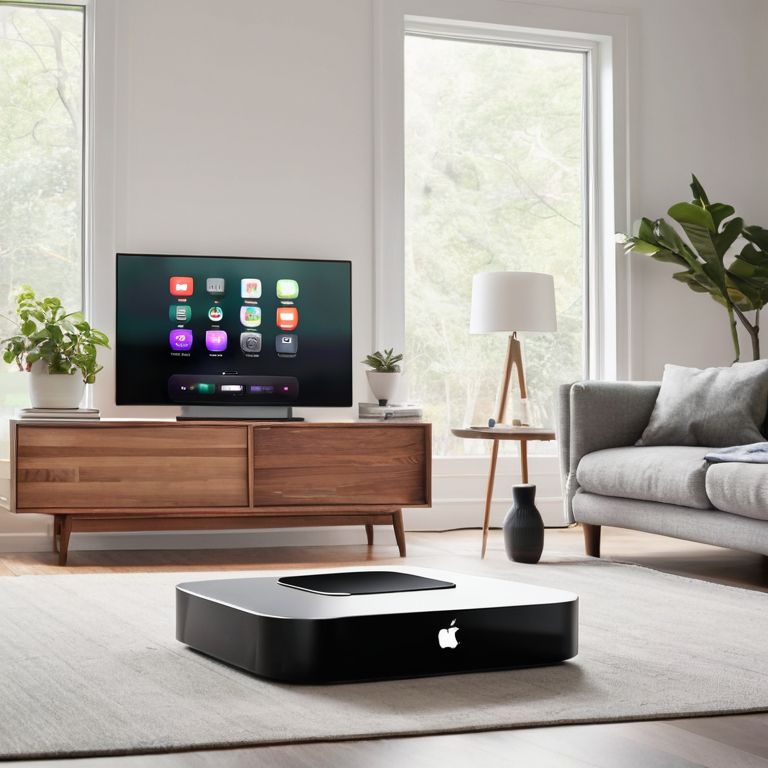
Apple HomeKit is a smart home system developed by Apple that allows users to control and automate their home devices using the Apple Home app. Its core mechanism relies on a hub-like system, where devices connect to a central point, such as an Apple TV or iPad, to enable seamless communication and control. The main selling point of Apple HomeKit is its emphasis on security and privacy, ensuring that users’ personal data and home automation are protected.
For me, Apple HomeKit matters because it offers a seamless integration with other Apple devices, making it easy to control my smart home devices using Siri voice commands or the Home app. I’ve experienced firsthand how Apple HomeKit can simplify my daily routine, from turning on the lights to adjusting the thermostat, all with a single command. This level of convenience and automation has genuinely made my life easier, and I believe it can do the same for others.
Google Home
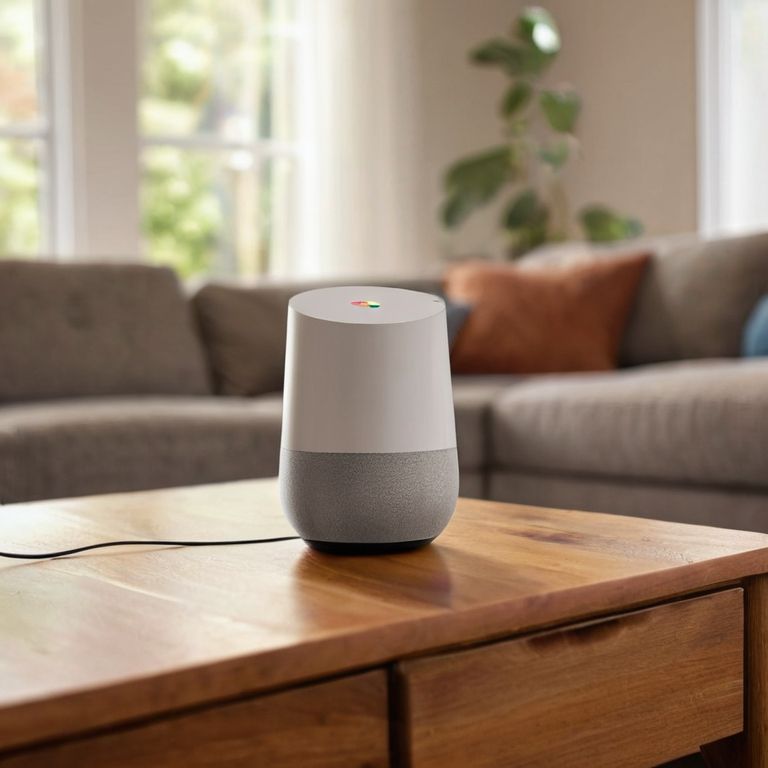
Google Home is a smart speaker and home automation system developed by Google that allows users to control their smart devices using voice commands with Google Assistant. Its core mechanism utilizes natural language processing to understand and execute commands, making it easy to control devices from various manufacturers. The main selling point of Google Home is its ability to learn and adapt to users’ habits and preferences, providing a personalized experience.
What I love about Google Home is its ability to integrate with multiple devices and platforms, making it a great option for those with a mix of smart home devices. I’ve found that Google Home’s compatibility with various smart devices has allowed me to create complex automations, such as turning on the lights and adjusting the thermostat when I enter a room, all with a simple voice command. This level of flexibility and customization has made my smart home feel truly intelligent and responsive.
Smart Home Systems Head-to-Head Comparison
| Feature | Apple HomeKit | Google Home |
|---|---|---|
| Price | Variable, $99-$299 | Variable, $49-$149 |
| Key Feature | Seamless integration with Apple devices | Google Assistant AI capabilities |
| Best For | Apple ecosystem users | Multi-platform users, smart home beginners |
| Compatibility | Apple devices, limited third-party support | Wide range of third-party devices, Android and iOS |
| Security | End-to-end encryption, secure authentication | Google's robust security features, regular updates |
| Voice Assistant | Siri | Google Assistant |
| Setup Complexity | Moderate, requires Apple device | Easy, simple setup process |
Apple Homekit vs Google Home

When it comes to seamless integration, the choice between Apple HomeKit and Google Home can make or break the smart home experience. This criterion is critical because it determines how effortlessly your devices work together to create a harmonious and automated living space.
In a head-to-head analysis, Apple HomeKit excels at integrating with Apple devices, making it a great choice for those already invested in the Apple ecosystem. For instance, using Siri to control your smart home devices is incredibly convenient. On the other hand, Google Home offers more flexibility in terms of compatibility with a wide range of devices from different manufacturers, making it a better option for those with a more diverse set of smart devices.
In terms of practical implications, Apple HomeKit’s closed ecosystem can be both a blessing and a curse, while Google Home’s open approach offers more freedom but also requires more setup and configuration. After considering these factors, I conclude that Google Home is the winner in this category due to its broader compatibility and ability to integrate with a wider range of devices.
My Top 3 Takeaways: Simplifying the Smart Home Choice
Both Apple HomeKit and Google Home offer unique strengths, but for a seamless, one-button solution, I lean towards integrating both systems for maximum compatibility and ease of use
Despite their differences, both platforms have made significant strides in voice control and automation, making them viable options for those looking to upgrade their smart home experience
When choosing between Apple HomeKit and Google Home, consider your existing ecosystem and the devices you already use – this will help you decide which platform will best streamline your smart home, making it truly invisible and effortless to manage
Seamless Smart Home Harmony
The ultimate smart home isn’t about which ecosystem you choose, but how effortlessly it blends into your daily life – that’s why I’m always on the lookout for ways to make Apple HomeKit and Google Home play nice, because at the end of the day, it’s not about the tech, it’s about coming home to a space that just works.
Jenna Gable
The Final Verdict: Which Should You Choose?
After diving into the details of both Apple HomeKit and Google Home, it’s clear that each has its own set of unique features and advantages. The seamless integration with other Apple devices makes HomeKit a great choice for those already invested in the Apple ecosystem. On the other hand, Google Home’s compatibility with a wide range of devices from different manufacturers gives it an edge in terms of flexibility. Ultimately, the decision between the two will depend on your specific smart home needs and preferences.
So, who comes out on top? For me, the overall winner is Apple HomeKit, thanks to its ease of use and robust security features. However, I would recommend Google Home to users who value cross-platform compatibility and have devices from multiple manufacturers. Apple HomeKit is best for those who are already using Apple devices and want a streamlined experience, while Google Home is ideal for users who want more flexibility and don’t mind using multiple apps to control their smart home devices.
Frequently Asked Questions
Can I use Apple HomeKit and Google Home devices together in the same smart home system?
Absolutely, you can mix and match Apple HomeKit and Google Home devices – I do it in my own home. With the right hubs and bridges, they can play nice together, giving you the best of both worlds. I’ve written about my favorite workarounds on my blog, so be sure to check that out for a seamless smart home experience.
Which platform offers more seamless integration with third-party devices and services?
For seamless integration with third-party devices, I’ve found Apple HomeKit to be a bit more restrictive, while Google Home is more open, working with a wider range of devices and services – think Philips Hue lights, Nest thermostats, and even August smart locks.
Do Apple HomeKit and Google Home have similar voice command capabilities and compatibility with popular virtual assistants?
So, when it comes to voice commands, both Apple HomeKit and Google Home work seamlessly with their respective virtual assistants – Siri and Google Assistant. You can use simple voice commands to control your smart devices, and they’re both pretty compatible with popular virtual assistants like Alexa, although Google Home has a slight edge in terms of multi-assistant support.