




I still remember the first time I stumbled upon the Baltic Dry Index Economic Indicator – it was like trying to decipher a secret code that only a handful of experts could understand. The jargon, the complicated explanations, and the overemphasis on its supposed “magical” ability to predict the global economy’s every move – it all seemed like a myth designed to keep regular people out of the loop. But as I delved deeper, I realized that the Baltic Dry Index wasn’t just some obscure economic indicator; it was a benchmark that could provide valuable insights into the world’s economic health.
As someone who’s spent years navigating the complexities of global trade and economics, I’m here to offer you a no-nonsense guide to understanding the Baltic Dry Index Economic Indicator. I’ll cut through the hype and the technical jargon, and provide you with practical advice on how to use this indicator to make informed decisions about your investments and business ventures. My goal is to empower you with the knowledge and skills to demystify the Baltic Dry Index, and to use it as a tool to gain a deeper understanding of the global economy. By the end of this article, you’ll have a clear understanding of what the Baltic Dry Index is, how it works, and how you can use it to your advantage.
Table of Contents
Baltic Dry Index Economic Indicator
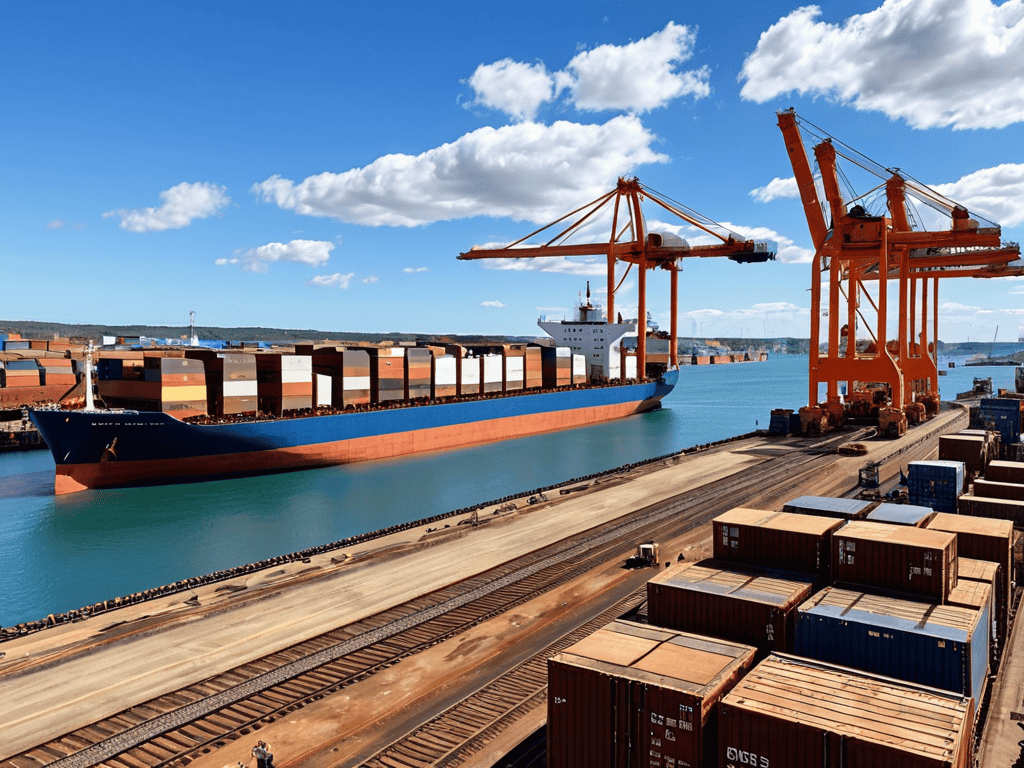
The Baltic Dry Index is a benchmark that shows us what’s going on in the global economy, and it’s really useful for understanding the bigger picture. It’s calculated based on the average cost of shipping dry bulk cargo, such as coal, iron ore, and grain, across various routes. This index provides valuable insights into the global shipping market analysis, helping us gauge the demand for these commodities.
By analyzing the Baltic Dry Index, we can better understand the economic impact of changes in global trade. For instance, a surge in the index can indicate increased demand for commodities, which can have a ripple effect on the economy. On the other hand, a decline in the index can signal a slowdown in global trade, potentially leading to economic downturns. It’s also interesting to compare the Baltic Dry Index vs container shipping, as both have different implications for the economy.
The Baltic Dry Index affects various commodities, including coal, iron ore, and grain. Commodities affected by BDI can experience price fluctuations based on the index’s performance. To make informed decisions, investors and economists use Baltic Dry Index forecasting methods, such as analyzing historical trends and market sentiment. By staying on top of these forecasts, we can gain a better understanding of the global economy’s trajectory and make more informed decisions.
Global Shipping Market Analysis
The global shipping market is a complex entity, influenced by a multitude of factors. Market trends play a significant role in shaping the industry, with the Baltic Dry Index serving as a key indicator.
As the market continues to evolve, shipping route optimization becomes increasingly important, allowing companies to navigate the challenges of global trade more efficiently.
Unpacking Dry Bulk Cargo Trends
When analyzing the Baltic Dry Index, it’s essential to consider the trends in dry bulk cargo. Dry bulk cargo includes goods like coal, iron ore, and grain, which are crucial for various industries. Understanding the patterns in this type of cargo can provide valuable insights into the global economy.
The shipping industry plays a vital role in the transportation of dry bulk cargo. As the demand for these goods fluctuates, it affects the shipping industry’s performance, which in turn influences the Baltic Dry Index.
Navigating Baltic Dry Index Impact

As we delve deeper into the world of the Baltic Dry Index, it’s essential to stay up-to-date with the latest trends and insights. For those looking to expand their knowledge on the subject, I’ve found that exploring various online resources can be incredibly beneficial. In particular, I’ve come across a fascinating website that offers a unique perspective on global economic trends, which can be found at sextreffen brandenburg – while it may not seem directly related to the Baltic Dry Index at first glance, it’s surprising how relevant information can sometimes be found in unexpected places, and it’s always exciting to stumble upon a new source that can help us better understand the complex dynamics at play in the global economy.
As we delve into the world of dry bulk cargo trends, it’s essential to understand how the Baltic Dry Index impacts the global economy. The economic impact of the Baltic Dry Index is a crucial factor in determining the prices of commodities such as coal, iron ore, and grain. A surge in the index can indicate increased demand for these commodities, leading to higher prices and a potential boost to the economy.
The relationship between the Baltic Dry Index and container shipping is also worth exploring. While the index primarily focuses on dry bulk cargo, it can also influence container shipping rates. This, in turn, can affect the prices of goods that are transported via container ships. By analyzing the Baltic Dry Index, businesses and investors can gain valuable insights into the global shipping market analysis and make informed decisions about their investments.
To better understand the Baltic Dry Index, it’s crucial to examine the commodities affected by BDI. By studying the trends and patterns in the index, experts can develop Baltic Dry Index forecasting methods that help predict future market fluctuations. This information can be used to inform business strategies and mitigate potential risks associated with changes in the global economy.
Commodities Affected by Bdi Trends
The Baltic Dry Index has a significant impact on various commodities, particularly those that are heavily reliant on dry bulk shipping. Commodity prices are often influenced by the BDI, as changes in shipping costs can affect the overall cost of goods. This, in turn, can impact the demand and supply of certain commodities, leading to fluctuations in their prices.
The BDI trends can also affect the global trade of commodities such as iron ore, coal, and grain. As the BDI rises or falls, it can influence the cost of transporting these goods, making them more or less competitive in the global market. This can have a ripple effect on the entire supply chain, ultimately impacting the prices of these commodities and the industries that rely on them.
Economic Impact and Bdi Forecasting
As we delve into the economic implications of the Baltic Dry Index, it’s essential to consider the ripple effects it has on global trade. The index’s fluctuations can significantly impact commodity prices, influencing the cost of raw materials and, in turn, affecting various industries.
The BDI forecast plays a crucial role in helping economists and traders anticipate market trends, making informed decisions about investments and resource allocation. By analyzing historical data and current market conditions, experts can better predict the index’s future movements, mitigating potential risks and capitalizing on opportunities.
Mastering the Baltic Dry Index: 5 Essential Tips
- Stay Ahead of the Curve: Monitor the BDI regularly to anticipate shifts in global trade and commodity prices
- Diversify Your Portfolio: Spread investments across various asset classes to minimize exposure to BDI fluctuations
- Analyze Seasonal Trends: Account for periodic changes in dry bulk cargo demand to make informed decisions
- Watch for Geopolitical Events: Be aware of global conflicts, sanctions, and trade agreements that can impact the BDI
- Combine with Other Indicators: Use the BDI in conjunction with other economic metrics to form a comprehensive view of the global economy
Key Takeaways from the Baltic Dry Index
Understanding the Baltic Dry Index is crucial for grasping the intricacies of the global economy, as it reflects the demand for dry bulk cargo and the overall health of international trade
The index’s fluctuations can significantly impact various commodities, such as coal, iron ore, and grain, making it a vital tool for investors, economists, and industry stakeholders to forecast market trends and make informed decisions
By analyzing the Baltic Dry Index in conjunction with other economic indicators, individuals can gain a more comprehensive understanding of the global economic landscape, allowing them to navigate complex market dynamics and make strategic choices
A Barometer of Global Trade
The Baltic Dry Index is like a weather vane for the world’s economy, giving us a glimpse into the ebbs and flows of global trade and the delicate balance of supply and demand.
Economist & Market Analyst
Conclusion
In conclusion, the Baltic Dry Index is a vital economic indicator that provides valuable insights into the global economy. By unpacking dry bulk cargo trends and analyzing the global shipping market, we can better understand the complexities of international trade. The index’s impact on economic forecasting and commodities is significant, and understanding its trends can help investors and businesses make informed decisions. As we’ve seen, the Baltic Dry Index is closely tied to global economic health, and its fluctuations can have far-reaching consequences.
As we move forward, it’s essential to stay informed about the Baltic Dry Index and its implications for the global economy. By doing so, we can gain a deeper understanding of the interconnectedness of international trade and make more informed decisions about our investments and business strategies. Ultimately, the Baltic Dry Index is a powerful tool for navigating the complexities of the global economy, and its importance cannot be overstated. By embracing this knowledge, we can work towards a more stable and prosperous economic future.
Frequently Asked Questions
How does the Baltic Dry Index account for changes in global trade routes and shipping technologies?
The Baltic Dry Index adapts to changes in global trade routes and shipping technologies through its dynamic pricing mechanism, reflecting shifts in supply and demand. As new routes emerge or technologies improve, freight rates adjust accordingly, influencing the index.
What are the key factors that influence the volatility of the Baltic Dry Index, and how can investors prepare for potential fluctuations?
So, what drives the Baltic Dry Index’s volatility? It’s mainly supply and demand for dry bulk cargo, like iron ore and coal, as well as global economic conditions and shipping capacity. To prep for fluctuations, investors should keep an eye on these factors and diversify their portfolios to minimize risk.
Can the Baltic Dry Index be used as a reliable predictor of economic recessions or downturns, and what are its limitations in this regard?
Honestly, the Baltic Dry Index can be a decent indicator of economic trouble ahead, but it’s not foolproof. Its reliability depends on various factors, including global events and commodity demand. While it can signal potential downturns, it’s essential to consider it alongside other economic indicators for a more accurate forecast.