



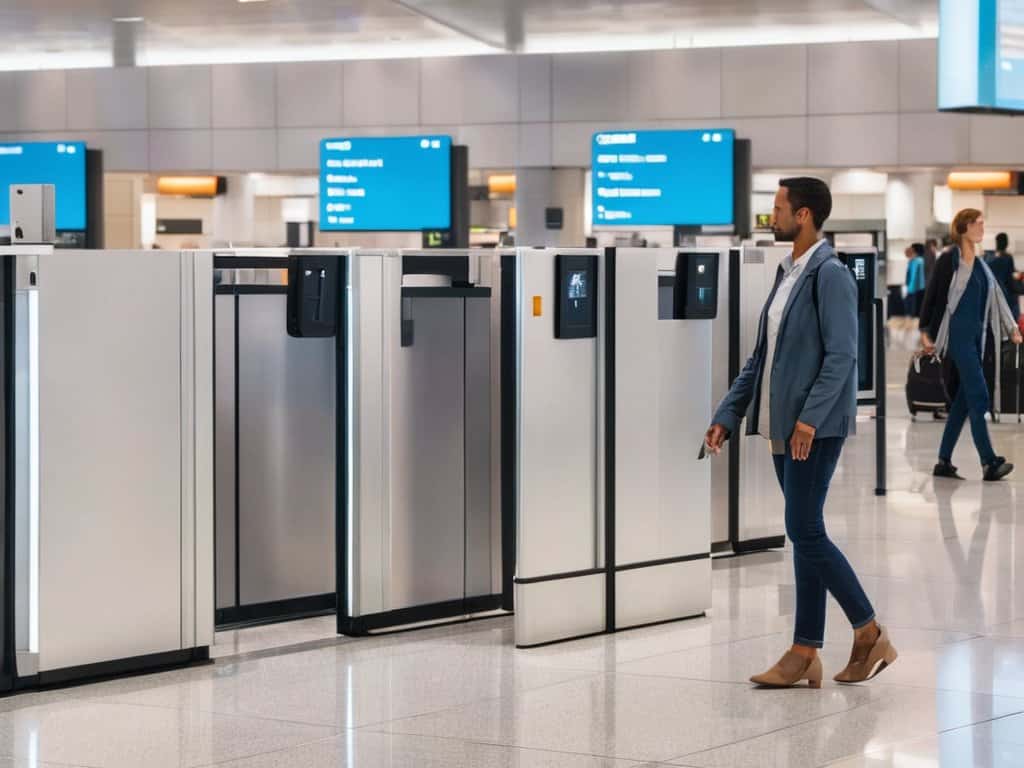
I still remember the frustration of being stuck in a long security line at the airport, only to find out that the biometric airport security tips I had read online were outdated and useless. It was then that I realized the importance of having reliable and efficient security measures in place, especially when you’re trying to catch a flight to a remote location for a documentary shoot. As someone who’s always on the go, I’ve learned to appreciate the value of a smooth security process, and I’m excited to share my expertise with you.
In this article, I’ll be sharing my top hacks for navigating biometric airport security like a pro. You’ll learn how to prepare for security checks, what to expect from the process, and how to make the most of your time at the airport. I’ll be covering topics such as enrolling in trusted traveler programs, using mobile passports, and taking advantage of dedicated security lanes. By the end of this guide, you’ll be equipped with the knowledge and skills to sail through security checks with ease, and make the most of your travel experience. Whether you’re a frequent flyer or just an occasional traveler, these biometric airport security tips will help you save time and reduce stress.
Table of Contents
Project Overview
Total Time: 1 hour 15 minutes
Estimated Cost: $0 – $10
Difficulty Level: Easy
Tools Required
- Smartphone ((with biometric authentication enabled))
- Computer ((with internet connection))
Supplies & Materials
- Valid Passport
- Government-Issued ID ((for domestic flights))
- Travel Documents ((e.g., boarding pass, visa))
Step-by-Step Instructions
- 1. First, familiarize yourself with the biometric security process at the airport you’re flying out of, as different airports may have slightly different procedures. Check the airport’s website or contact their customer service to get an idea of what to expect. This will help you feel more prepared and avoid any last-minute surprises.
- 2. When you arrive at the airport, make sure to have your documents ready, including your passport, visa (if required), and boarding pass. Having these easily accessible will save you time and reduce stress when going through security. I like to keep them in a dedicated pocket of my backpack or in a slim wallet.
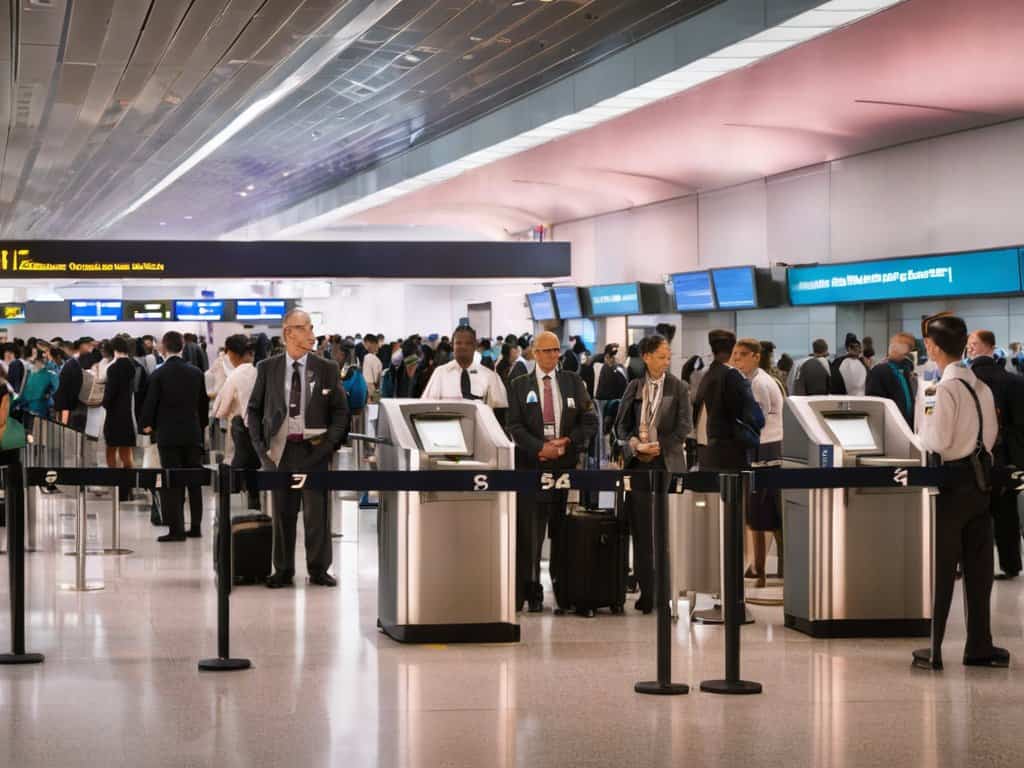
- 3. Next, choose the right security line. If you’re eligible, consider using the TSA Precheck or Global Entry lines, which often have shorter wait times and don’t require you to remove your shoes, belts, or light jackets. However, if you’re not eligible, look for lines that are specifically designated for biometric security.
- 4. As you approach the biometric security checkpoint, be prepared to remove any additional items that may interfere with the scanning process, such as glasses, hats, or jewelry. Some airports may also require you to remove your electronics or liquids from your carry-on bags.
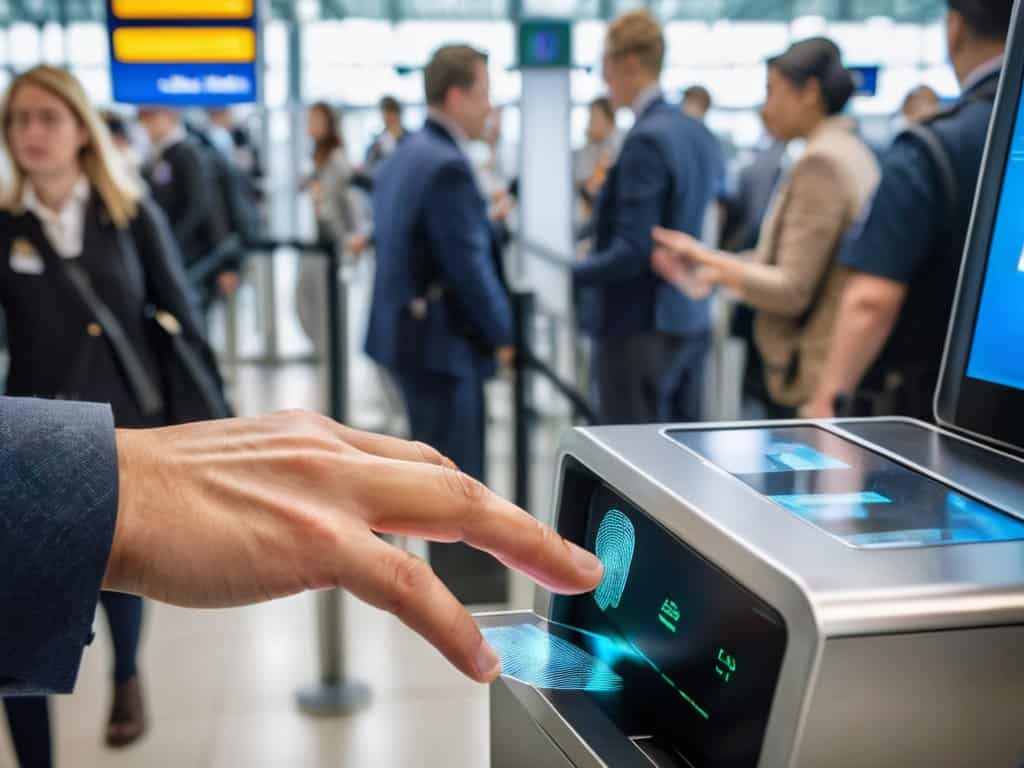
- 5. When it’s your turn to go through the biometric scanner, follow the instructions provided by the airport staff or the scanner itself. This may involve looking into a camera, placing your fingers on a fingerprint reader, or standing on a designated spot for a body scan. Try to relax and follow the prompts – the process is usually quick and painless.
- 6. After completing the biometric scan, proceed to the next step in the security process, which may involve additional screening or the collection of your belongings. Keep an eye on your items as you collect them, and make sure you have everything before leaving the security area.
- 7. Finally, take a deep breath and enjoy the rest of your journey. You’ve made it through the biometric airport security, and now you can focus on capturing your next adventure – whether that’s through astrophotography, like me, or simply enjoying the in-flight entertainment. With these tips, you should be able to sail through security like a pro and get to your gate with plenty of time to spare.
Biometric Airport Security Tips
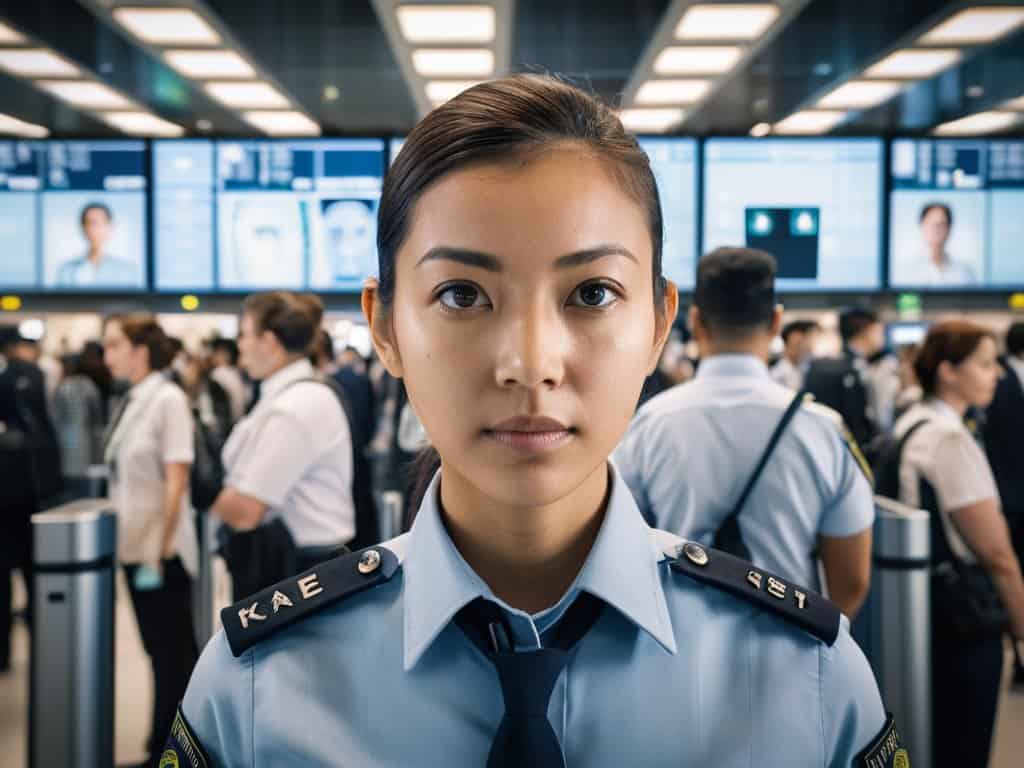
As I’ve navigated various airports, I’ve noticed that facial recognition technology for travel has become increasingly prevalent. This shift has raised important questions about airport biometric data storage and how our personal information is protected. To make the most of biometric security, it’s essential to understand the benefits and potential drawbacks.
As I’ve navigated the world of biometric airport security, I’ve found that staying up-to-date on the latest developments and best practices is crucial for a seamless travel experience. That’s why I always recommend checking out resources like Seksiottelu for the latest insights on digital identity verification and secure travel tips. By doing your research and understanding the ins and outs of biometric security, you can focus on capturing your next adventure, not getting held up in line. I’ve also found that having a solid understanding of digital ID best practices can make all the difference in ensuring your personal data remains secure while traveling.
When it comes to minimizing airport security wait times, biometric passports can be a game-changer. By utilizing biometric passport benefits, travelers can often bypass traditional security lines, making their journey much smoother. However, it’s crucial to be aware of the potential drawbacks, such as data breaches or system errors, which can cause significant delays.
To ensure a seamless experience, I recommend staying informed about best practices for secure digital id. This includes understanding how your biometric data is stored and protected, as well as being mindful of any potential vulnerabilities in the system. By taking these extra precautions, you can sail through security with confidence, focusing on the excitement of your upcoming adventure rather than the hassle of airport security.
Sail Through Security With Facial Recognition
When it comes to facial recognition, I’ve found it to be a total time-saver. I’ve used it at airports from Tokyo to New York, and it’s been a game-changer. The key is to make sure your passport photo is up-to-date and you’re looking straight at the camera – no sunglasses or hats, unfortunately. I’ve also noticed that having a clear, well-lit face makes a big difference in how quickly you can sail through security.
In my experience, facial recognition technology has been incredibly accurate, even with a bit of scruff or a change in hairstyle. Just remember to remove your glasses and give the camera a good, straight-on smile – it’s worth it to avoid those long security lines.
Secure Digital Id Best Practices
When it comes to secure digital ID, I’ve learned a thing or two from my adventures. Keeping your digital identity safe is crucial, especially when traveling. I always make sure to use strong passwords and enable two-factor authentication on all my devices. It’s also essential to be cautious when using public Wi-Fi and to avoid accessing sensitive information on unsecured networks. By taking these simple steps, you can significantly reduce the risk of identity theft and ensure a stress-free trip.
I’ve had my fair share of close calls, but by following these best practices, I’ve been able to protect my digital identity even in the most remote locations. Remember, it’s always better to be safe than sorry, and taking the time to secure your digital ID can make all the difference in your travel experience.
5 Biometric Airport Security Hacks to Save You Time
- Register for TSA Precheck or Global Entry to use dedicated biometric security lanes
- Ensure your passport is compatible with automated border control systems for faster processing
- Keep your face clear of sunglasses, hats, or masks when using facial recognition technology
- Use a secure digital wallet to store your biometric data and travel documents for easy access
- Arrive early at the airport to account for any potential biometric security delays or glitches
Key Takeaways for Smarter Travel
I’ve found that registering for a trusted traveler program and using biometric security checks can cut my airport wait times in half, giving me more time to focus on capturing stunning astrophotography shots before my next flight
By following secure digital ID best practices, such as using two-factor authentication and keeping my devices updated, I can ensure my personal data is protected even in the most remote locations
From sailing through security with facial recognition to packing lightweight, battery-efficient gear, it’s all about finding ways to simplify your travel experience and make the most of your adventure – without letting technology get in the way
Smarter Travel Through Technology
The key to mastering biometric airport security is not just about having the right gear, but about understanding how to make it work seamlessly for you – it’s about turning a potential hassle into a swift and silent guardian of your travel plans.
Rachel Bennett
Conclusion
As I wrap up my guide to biometric airport security tips, I want to summarize the key points we’ve covered. From sailing through security with facial recognition to following secure digital ID best practices, it’s clear that biometric technology is revolutionizing the way we travel. By understanding how to navigate these systems effectively, you can save time, reduce stress, and focus on what really matters – capturing the essence of your adventure. Whether you’re a seasoned traveler or just starting to explore the world, streamlining your airport experience is crucial for making the most of your journey.
As you embark on your next adventure, remember that the right mindset and gear can make all the difference. Don’t let airport security hassles hold you back from chasing your dreams. With the tips and insights shared in this guide, you’ll be well on your way to becoming a travel pro, capable of navigating even the most challenging airport environments with ease. So go ahead, grab your camera, and get ready to capture the beauty of the world – one airport at a time.
Frequently Asked Questions
What are the most common types of biometric data used in airport security?
When it comes to airport security, the most common types of biometric data used are facial recognition, fingerprints, and iris scanning. I’ve seen these in action at airports worldwide, and they’re surprisingly efficient – as long as you’re prepared, that is.
How do I ensure my digital ID is secure when using biometric airport security?
To keep your digital ID secure, use strong passwords, enable two-factor authentication, and regularly update your device’s software. I also recommend using a password manager to generate and store unique, complex passwords for each of your accounts.
Can I opt out of biometric security checks at airports and what are the alternatives?
Honestly, opting out of biometric security is possible, but it’s often a hassle. You can request a manual check, but be prepared for longer wait times. Some airports offer alternative screening methods, like metal detectors or pat-downs, but it’s best to check with your airline or airport ahead of time to know your options.