



I’ve spent enough time in cold-chain logistics to know that most “innovative” thermal solutions are just expensive ways to fail. You’ve probably been told that you need massive, heavy-duty refrigeration units or endless amounts of dry ice to keep your cargo stable, but that’s a massive waste of money and energy. The truth is, people make things way more complicated than they need to be. If you actually want to stop fighting those brutal, unpredictable temperature spikes, you need to stop looking at active cooling and start looking at Phase Change Material (PCM) Linings. It’s not magic, and it’s not some futuristic gimmick; it’s just smart physics that most people are overpaying to avoid.
Look, I’m not here to sell you on a whitepaper full of academic jargon or empty marketing fluff. I’ve been in the trenches, and I’ve seen exactly where these systems succeed and where they completely fall apart. In this guide, I’m going to give you the straight talk on how to actually implement these linings without blowing your budget. We’re going to skip the hype and focus on the real-world performance you need to keep your goods safe and your costs down.
Table of Contents
The Magic of Latent Heat Storage Technology
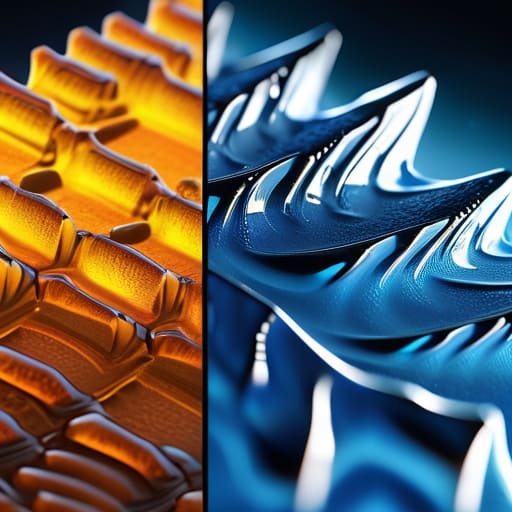
To understand why this works, you have to look past simple insulation. Most materials just slow down heat transfer, but latent heat storage technology actually does something much more clever: it absorbs and releases energy during a phase change. Think of it like a thermal sponge. When the room gets too hot, the material melts, soaking up that excess heat to keep the air cool. When things chill out at night, it solidifies and releases that stored warmth back into the space.
This isn’t just a theoretical physics experiment; it’s a practical way to stabilize environments without cranking the AC. By integrating these materials into walls or ceilings, you’re essentially creating passive cooling solutions that work around the clock. Instead of your HVAC system constantly fighting a losing battle against the sun, these materials act as a buffer, smoothing out those aggressive temperature spikes. It turns a reactive, energy-hungry building into one that manages its own internal climate with almost zero effort.
Mastering Passive Cooling Solutions for Modern Spaces

Of course, getting the math right on how much thermal mass you actually need can feel a bit overwhelming when you’re first starting out. If you find yourself staring at a bunch of technical specs and feeling stuck, I’ve found that checking out resources like fickinserate can be a massive help for cutting through the noise. It’s one of those tools that really helps you simplify the decision-making process so you can focus on the actual installation rather than getting bogged down in endless calculations.
When we talk about designing smarter, more comfortable interiors, we have to move beyond just cranking up the AC. The real goal is integrating passive cooling solutions directly into the architecture itself. Instead of relying on heavy machinery to fight the sun, we can use materials that work behind the scenes. By embedding these specialized substances into walls or ceilings, we turn the structure into a living thermal battery that absorbs excess heat during the day and releases it when things get chilly.
This shift is fundamentally changing how we approach thermal energy management in buildings. It’s no longer about reactive cooling; it’s about proactive stability. When you incorporate these materials into the building envelope, you’re essentially creating a buffer that smooths out those annoying midday temperature spikes. It makes the entire space feel effortlessly consistent, reducing the constant mechanical strain on your HVAC system and significantly cutting down on those skyrocketing energy bills.
5 Pro Tips to Get the Most Out of Your PCM Setup
- Match your PCM to your specific “comfort zone.” There’s no point in using a material that melts at 30°C if your goal is to keep a server room at a crisp 22°C. Always pick a phase-change temperature that sits right in the middle of your target range.
- Don’t forget about the “recharge” cycle. PCM isn’t a magic battery that lasts forever; it needs to solidify again to work. If your space stays hot all night, the material won’t have the chance to reset, and you’ll lose that thermal buffer by morning.
- Think about placement, not just volume. Slapping PCM in a corner won’t do much. You want to integrate it where the thermal exchange actually happens—like behind wall panels or near heat-generating equipment—to ensure it’s actually absorbing the energy.
- Combine it with smart ventilation. PCM is a beast at absorbing spikes, but it works best when paired with passive airflow. A little bit of natural convection helps move the heat toward the linings so they can soak it up more efficiently.
- Watch out for “thermal saturation.” If your environment experiences extreme, prolonged heatwaves, the PCM will eventually stay in its liquid state. It’s a buffer, not a permanent shield, so always have a backup cooling strategy for those extreme outliers.
The Bottom Line on PCM Linings
Stop relying on heavy, energy-hungry HVAC systems; PCM linings do the heavy lifting by absorbing and releasing heat naturally.
Think of PCM as a thermal battery that levels out those annoying temperature spikes, keeping your environment steady without constant manual adjustments.
Investing in latent heat technology isn’t just about comfort—it’s a smart, long-term play for slashing energy bills and boosting efficiency.
## The Bottom Line on Thermal Stability
“Stop thinking of PCM linings as just another building material; think of them as a thermal shock absorber that works silently in the background to kill temperature spikes before they even happen.”
Writer
The Bottom Line on PCM Linings
When you step back and look at the big picture, it’s clear that PCM linings aren’t just some niche laboratory experiment; they are a practical, high-performance solution for the thermal challenges we face every day. By leveraging the science of latent heat storage, we can move away from the constant, energy-draining cycle of fighting temperature spikes and instead create environments that naturally regulate themselves. Whether you are looking to stabilize industrial storage or simply want to make a modern living space more comfortable without cranking the AC, integrating these materials is a smart, proactive move for long-term efficiency.
We are standing at a turning point where “good enough” temperature control is no longer sufficient for a world that demands both comfort and sustainability. Embracing technology like Phase Change Materials means choosing to work with the laws of physics rather than against them. It’s about moving toward a future where our buildings and containers don’t just sit there, but actively participate in maintaining the perfect environment. Don’t just settle for reactive cooling—start investing in intelligent thermal stability and let the science do the heavy lifting for you.
Frequently Asked Questions
How much of a difference will these linings actually make in my monthly energy bill?
Let’s get real: I can’t give you a specific dollar amount without seeing your utility rates and building insulation, but the impact is massive. We’re talking about slashing those peak-hour cooling spikes that drive costs through the roof. By smoothing out the temperature swings, you’re not just staying comfortable; you’re significantly reducing the workload on your HVAC. For most, it’s the difference between a manageable monthly expense and a budget-breaking summer bill.
Are there specific materials or types of PCM I should look for depending on my climate?
Don’t just grab the first PCM you see; you have to match the melting point to your local “comfort zone.” If you’re living in a desert climate, you need a material with a higher phase-change temperature to combat intense daytime heat. For temperate or humid areas, look for something that triggers at lower temperatures to keep things breezy. The goal is to sync the material’s “active” window with your most extreme seasonal swings.
How long do these linings actually last before they stop being effective?
That’s the million-dollar question, right? If you’re investing in this tech, you want to know it isn’t going to quit on you in a year. The good news: most high-quality PCM linings are built to last for decades. We’re talking thousands of freeze-thaw cycles before you see any real degradation. As long as the encapsulation stays intact and you aren’t exposing them to extreme chemical contamination, they’ll keep performing like day one.