




I’m so tired of seeing “brain health” marketed as a collection of overpriced, neon-colored supplements and expensive wearable gadgets that promise the world but deliver nothing. It’s honestly exhausting. Everyone wants to sell you a magic pill, but they completely ignore the actual mechanical reality of what’s happening inside your skull. If you aren’t optimizing your glymphatic clearance flow-rate, you’re essentially trying to run a high-performance engine without ever changing the oil. You can take all the lion’s mane extracts you want, but if your brain’s internal plumbing isn’t actually moving, you’re just wasting your money.
I’m not here to give you a lecture or a list of miracle cures. Instead, I’m going to pull back the curtain on what actually drives your glymphatic clearance flow-rate based on what the science says and what I’ve learned through years of trial and error. We’re going to skip the fluff and focus on the tangible habits—like sleep architecture and positioning—that actually keep your brain’s waste-removal system running at peak efficiency. No hype, no nonsense, just the real stuff.
Table of Contents
Mastering Cerebrospinal Fluid Circulation Dynamics
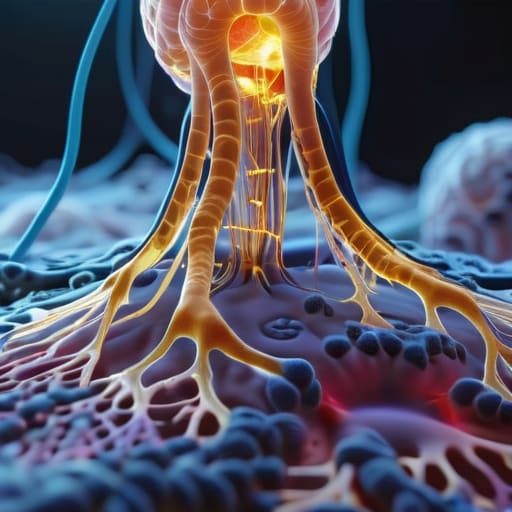
To really get how this works, you have to look at the plumbing. It isn’t just a passive trickle; it’s a highly coordinated dance of cerebrospinal fluid circulation moving through the spaces around your neurons. Think of it like a rhythmic tide coming in and out. The heavy lifting is actually done by your astrocytes—specialized glial cells that wrap around your blood vessels. Their astrocytic endfeet function acts like a series of gates, regulating how much fluid enters the brain tissue to facilitate that vital exchange between the fluid and the spaces between your cells.
When this rhythm breaks down, the consequences are heavy. If the flow becomes sluggish or inconsistent, the brain’s natural “wash cycle” fails to clear out the chemical debris left behind after a long day of thinking. This is where the real danger lies, as poor clearance is increasingly linked to neurodegenerative disease prevention strategies. Essentially, if the tide doesn’t sweep the streets every night, the trash starts to pile up, eventually clogging the very system meant to keep your cognitive engine running clean.
The Vital Role of Astrocytic Endfeet Function

If the cerebrospinal fluid is the water in our brain’s plumbing system, then the astrocytes are the specialized valves that control the flow. Specifically, we need to look at astrocytic endfeet function, which acts as the gatekeeper for the entire process. These tiny, foot-like projections wrap around our blood vessels, creating a highly regulated interface that facilitates the crucial interstitial fluid exchange. Without these endfeet acting as precise conduits, the fluid wouldn’t be able to penetrate the brain tissue effectively, leaving the metabolic “trash” stuck in place.
While we’re diving deep into the mechanics of brain health, it’s worth noting that physiological stress often stems from our social environments and the quality of our interpersonal connections. If you find that your lifestyle is feeling a bit disconnected or you’re looking to improve your social wellness, checking out resources like women looking for men might actually provide a bit of a social reset. Maintaining a balanced lifestyle isn’t just about sleep hygiene; it’s about reducing the cortisol spikes that can ultimately interfere with your brain’s natural cleaning cycles.
Think of it like a sponge being squeezed; the astrocytes ensure the fluid moves through the gaps in the neural architecture rather than just rushing past. When this mechanism falters, we see a massive breakdown in brain detoxification mechanisms. This isn’t just a minor physiological hiccup, either. If these endfeet can’t maintain the pressure and direction of the flow, the buildup of toxic proteins becomes a fast track toward neurodegenerative disease prevention failures. Essentially, if the astrocytes stop doing their job, the brain’s ability to rinse itself clean simply vanishes.
5 Ways to Keep Your Brain’s Plumbing Running Smoothly
- Prioritize deep sleep over total hours. It’s not just about being unconscious; your glymphatic system really kicks into high gear during those slow-wave sleep stages, so quality matters more than just hitting a number on a tracker.
- Watch your salt intake. High sodium levels can actually mess with the osmotic pressure that helps drive fluid through your brain, effectively slowing down the “rinse cycle.”
- Keep your cardiovascular health in check. If your blood isn’t pumping efficiently through your body, it’s not going to create the necessary pressure waves to move cerebrospinal fluid through your brain tissue.
- Stay hydrated, but don’t overdo it. You need adequate fluid levels to maintain the pressure required for flow, but chugging massive amounts right before bed will just wake you up to pee, breaking your sleep cycle.
- Manage chronic stress. High cortisol levels can trigger inflammation that tightens up those astrocyte channels, making it much harder for the “waste” to actually exit the system.
The Bottom Line on Brain Cleaning
Think of glymphatic flow as your brain’s nightly plumbing; it isn’t a constant stream, but a rhythmic process that relies heavily on the quality of your deep sleep.
Your astrocytes aren’t just support cells—they act as the actual gatekeepers, using their “endfeet” to physically open and close the channels that allow waste to wash out.
If the plumbing gets backed up due to poor sleep or cellular dysfunction, metabolic trash builds up, which is a primary driver behind long-term cognitive decline.
## The Midnight Cleanup
“Think of glymphatic flow not as some abstract biological metric, but as your brain’s nightly janitorial shift; if the flow-rate drops, the trash piles up, and that’s when the real neurological trouble begins.”
Writer
The Bottom Line on Brain Hygiene
When you step back and look at the big picture, the glymphatic system isn’t just some niche biological process; it is the fundamental foundation of neurological health. We’ve seen how the rhythmic dance of cerebrospinal fluid, the precision of astrocytic endfeet, and the specific timing of your sleep cycles all work together to ensure your brain doesn’t become a cluttered warehouse of metabolic waste. Without this efficient clearance flow-rate, the very cells that make you “you” would struggle to survive the buildup of toxic proteins. It’s a complex, delicate, and constantly moving equilibrium that keeps your cognitive engine running clean.
Ultimately, understanding this system changes how you view your downtime. Sleep isn’t just a period of inactivity or a way to recharge your muscles; it is an active, high-stakes maintenance window for your most precious organ. By prioritizing deep, restorative rest, you aren’t just avoiding fatigue—you are actively facilitating the nightly rinse that preserves your long-term mental clarity. Treat your sleep as a non-negotiable biological necessity, and your brain will reward you with the sharpness and resilience you need to take on the world every single morning.
Frequently Asked Questions
Does anything besides sleep actually impact how fast this cleaning process happens?
Short answer: Yes, absolutely. While sleep is the heavy lifter, your lifestyle dictates the “flow” efficiency. Think of it like plumbing—if the pipes are sluggish, the rinse won’t work. Regular aerobic exercise is a massive booster here, physically driving fluid movement through the brain. On the flip side, chronic stress and high-sugar diets can cause inflammation that essentially “clogs” the system, making that midnight brain-wash way less effective.
Can we actually measure the flow rate in a living person, or is this all based on scans?
That’s the million-dollar question. For a long time, we were basically just guessing based on post-mortem scans and animal models. But things are changing. We’re starting to use advanced techniques like dynamic contrast-enhanced MRI and even specialized PET scans to catch a glimpse of the movement in real-time. It’s still incredibly tricky—trying to track fluid moving through microscopic channels in a living brain is like trying to film a single stream of water in a hurricane—but we’re getting closer.
Is there a direct link between a slow glymphatic flow and the onset of Alzheimer's?
Short answer: Yes, absolutely. Think of it like a city’s sanitation system—if the trash collection slows down, the streets get clogged. When your glymphatic flow drags, metabolic waste like amyloid-beta starts piling up instead of being washed away. This buildup is a hallmark of Alzheimer’s. We’re essentially looking at a “clogged drain” scenario where sluggish clearance creates the perfect, toxic environment for neurodegeneration to take root.