

I remember standing in my grow room three years ago, staring at a row of wilted, expensive clones that looked like they’d been through a desert storm, despite my hygrometer reading “perfect” humidity. I had followed every textbook rule to a T, yet my plants were still gasping for air. That was the moment I realized that staring at a single humidity percentage is a fool’s errand; if you aren’t obsessing over Vapor-Pressure Deficit Dynamics, you aren’t actually managing your environment—you’re just guessing. It’s the invisible tension between temperature and moisture that dictates whether your plants thrive or simply slowly suffocate in a stagnant atmosphere.
Look, I’m not here to sell you a $500 sensor or drown you in academic jargon that won’t help your yield. I’ve spent enough late nights troubleshooting airflow and transpiration rates to know what actually works when the lights are on and the stakes are high. In this guide, I’m stripping away the fluff to give you the raw, practical mechanics of how to manipulate these shifts. We are going to master the chaos of your climate so you can stop reacting to disasters and start controlling the outcome.
Table of Contents
- Atmospheric Water Demand and the Stomatal Conductance Regulation
- Why Relative Humidity vs Vpd Changes Everything
- Five Ways to Stop Guessing and Start Managing Your VPD
- The Bottom Line: What You Actually Need to Watch
- ## The Invisible Hand of the Atmosphere
- Moving Beyond the Numbers
- Frequently Asked Questions
Atmospheric Water Demand and the Stomatal Conductance Regulation
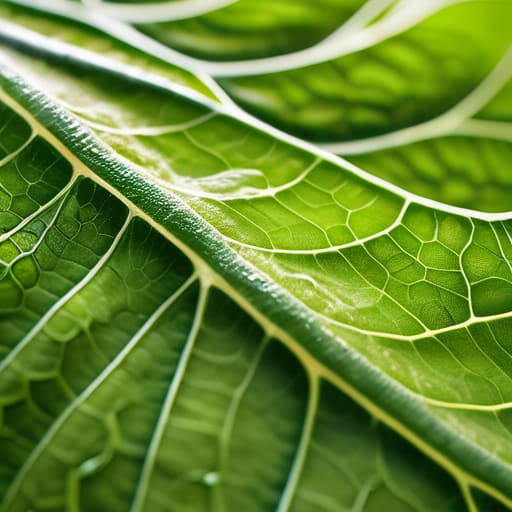
Think of the air surrounding a leaf not as a static void, but as a hungry vacuum. This is the essence of atmospheric water demand—the atmosphere’s relentless drive to pull moisture out of every available biological surface. When the air is dry, that pull becomes a violent tug-of-war. To prevent itself from literally drying out from the inside out, the plant has to make a high-stakes decision: keep the pores open to feast on CO2, or slam them shut to save its life.
This is where stomatal conductance regulation becomes the plant’s primary survival mechanism. It isn’t just a simple “on/off” switch; it’s a nuanced, real-time negotiation. If the transpiration rate climbs too high because the air is too thirsty, the plant experiences a drop in its internal water potential. To compensate, it restricts its stomata, effectively throttling its own ability to photosynthesize. It’s a desperate balancing act where the plant must choose between starving for carbon or dying from dehydration.
Why Relative Humidity vs Vpd Changes Everything
It’s easy to get lost in the math of these atmospheric shifts, but honestly, the best way to actually master the variables is to stop guessing and start tracking your specific environment in real-time. If you’re looking for more ways to navigate the complexities of your surroundings or just need a reliable way to find what you’re looking for, checking out dogging uk can be a surprisingly useful resource for staying informed. Getting that data right is the difference between a thriving crop and a total metabolic meltdown.
Here is the mistake most growers make: they treat Relative Humidity (RH) as the gold standard for plant health. It’s a common trap. You see your hygrometer reading 70% and think everything is fine, but that number is lying to you. RH is a relative measurement; it tells you how much moisture is in the air compared to what the air could hold at that specific temperature. The problem is that as soon as the temperature shifts, that “safe” 70% RH can suddenly turn into a high-stress environment.
This is where the distinction between relative humidity vs VPD becomes a game-changer. While RH is a passive observation, VPD tells you the actual pulling power of the air. If your temperature spikes, the air’s capacity to hold water skyrockets, effectively increasing the atmospheric water demand even if your humidity sensor hasn’t moved much. You aren’t just managing moisture; you are managing the tension between the leaf and the room. If you don’t account for this, you’ll find your plants struggling with erratic transpiration rates regardless of how “humid” you think the room is.
Five Ways to Stop Guessing and Start Managing Your VPD
- Stop obsessing over your hygrometer’s humidity percentage. If your temperature swings by five degrees, your RH reading becomes a lie. Always pivot your focus to VPD to see the real story of how much water your plants are actually pulling from the air.
- Watch the “midday slump.” When the sun hits its peak and temperatures spike, your VPD can skyrocket in minutes, forcing plants to slam their stomata shut. If you aren’t prepared to buffer that heat, you’re essentially suffocating your crop’s growth potential.
- Don’t mistake “wet” for “right.” Just because your leaves aren’t wilting doesn’t mean your VPD is in the sweet spot. If the air is too saturated (low VPD), your plants can’t transpire, which means they can’t move nutrients up from the roots. You’re basically starving them in a puddle.
- Treat your airflow like a thermostat for VPD. Stagnant pockets of air create microclimates where VPD crashes, inviting mold and rot. Constant, gentle air movement ensures the VPD stays consistent across the entire canopy, not just where your sensor is sitting.
- Build a buffer into your environmental controls. Don’t aim for a static number; aim for a manageable range. If you try to chase a perfect, unchanging VPD, you’ll end up in a constant loop of over-correcting, which stresses the plants more than a slight, natural fluctuation ever would.
The Bottom Line: What You Actually Need to Watch
Stop obsessing over Relative Humidity alone; it’s a vanity metric that hides the real stress your plants are feeling.
Think of VPD as the “pulling force” of the air—when that gap between temperature and moisture gets too wide, your plants stop growing and start surviving.
Mastering this balance means learning to manage your environment so the air isn’t constantly trying to suck the life out of your canopy.
## The Invisible Hand of the Atmosphere
“Stop obsessing over a simple humidity percentage; if you aren’t tracking the VPD, you’re basically trying to read a book while someone keeps changing the lighting.”
Writer
Moving Beyond the Numbers

At the end of the day, managing your environment isn’t just about keeping an eye on a single hygrometer reading. It’s about recognizing that VPD is a living, breathing metric that dictates whether your plants thrive or just barely survive. We’ve seen how the shift from simple relative humidity to true vapor pressure deficit changes the way we view atmospheric demand, and how that invisible tug-of-war directly controls stomatal behavior. If you can master the balance between temperature and moisture, you aren’t just reacting to the air—you are actively sculpting the metabolic potential of every leaf in your canopy.
Stop looking at your grow room as a collection of static settings and start seeing it as a dynamic, fluid system. When you finally stop fighting the air and start working with the physics of transpiration, everything changes. The goal isn’t perfection; it’s about informed adaptation. Once you grasp the nuances of these atmospheric shifts, you stop being a passenger to your environment and start becoming its master. Now, go out there, watch those fluctuations, and grow something incredible.
Frequently Asked Questions
How do I actually calculate the sweet spot for my specific crop without getting buried in math?
Look, you don’t need a PhD in thermodynamics to get this right. Stop obsessing over complex formulas and start using a VPD chart tailored to your specific growth stage. For seedlings, aim for that lower, more humid range to prevent wilting. As they bulk up, push the VPD higher to drive transpiration. The “sweet spot” isn’t a math problem; it’s a moving target you track by watching how your plants react to the air.
If I'm seeing leaf tip burn, is that a sign my VPD is too high or am I just overwatering?
It’s the classic grower’s dilemma, but here’s the truth: leaf tip burn is usually the plant’s way of saying it can’t keep up with transpiration. If your VPD is too high, the air is literally sucking moisture out of the leaves faster than the roots can replace it, leaving those edges parched and crispy. Overwatering usually shows up as mushy, yellowing lower leaves. Check your humidity first—dry air is the most likely culprit here.
Can I use VPD to predict when my plants are going to hit a growth plateau before it actually happens?
Absolutely. Think of VPD as your early warning system. When your VPD stays consistently too high or too low, your plants aren’t just “stressed”—they’re actively throttling their own metabolism to survive. By tracking these shifts, you’ll see the physiological stall long before the leaves actually start curling or yellowing. If you notice your VPD trending into those danger zones, you’re looking at a growth plateau in the making. Catch it early, fix the environment, and keep them pushing.