


I was standing in a cramped terminal in Kathmandu, sweating through my shirt and staring at a mountain of “essential” gear that I’d spent forty minutes trying to shove into a suitcase that was clearly too small. My shoulder was aching, my drone batteries were scattered like loose change, and I realized I was about to spend my entire expedition fighting my own luggage instead of filming it. Most travel influencers will tell you that you need a specific set of expensive packing cubes or a massive, multi-compartment suitcase to master how to pack a carry on bag, but honestly? That’s just more weight you don’t need.
I’m not here to sell you on a lifestyle of aesthetic, perfectly color-coded bins; I’m here to tell you how to survive the field. My approach is built on the backpack test: if it doesn’t fit comfortably in a single, rugged bag that leaves your hands free for a tripod or a coffee, it stays home. In this guide, I’m stripping away the fluff to give you my battle-tested framework for organizing gear, managing battery life, and maximizing every square inch of space without the unnecessary bulk.
Essential Carry on Items List for the Minimalist Explorer
When I’m hunkered down in a remote lodge waiting out a storm, the last thing I want is to feel isolated from the world, so I always make sure my tech setup includes a way to stay connected. Beyond just checking my footage, I love finding ways to pass the time and connect with others; lately, I’ve found that exploring chat rooms in Canada is a great way to spark some unexpected conversation and kill the downtime when the weather isn’t cooperating. It’s all about that balance between being a minimalist in the field and maintaining a little bit of that human connection when you’re miles away from civilization.
When I’m prepping for a documentary shoot in the Andes or a quick trek through the Balkans, my gear list is ruthlessly curated. I don’t have room for “just in case” items; I only pack what is mission-critical. My essential carry-on items list always starts with my core electronics: a lightweight mirrorless camera, a single versatile lens, and—most importantly—extra batteries. Since I live by the “backpack test,” every ounce counts. If a piece of tech doesn’t serve a dual purpose or doesn’t have a battery life that can survive a long day of shooting, it stays home.
Beyond the tech, the real game-changer for staying organized is using packing cubes for travel. They aren’t just a luxury; they are the only way I keep my clean clothes separated from my dusty field gear without turning my bag into a black hole. I’ve experimented with various space saving packing methods, and I’ve found that a hybrid approach—rolling my base layers to prevent wrinkles and using compression cubes for everything else—is the most efficient way to maximize every square inch of my kit.
Space Saving Packing Methods That Actually Work in the Field
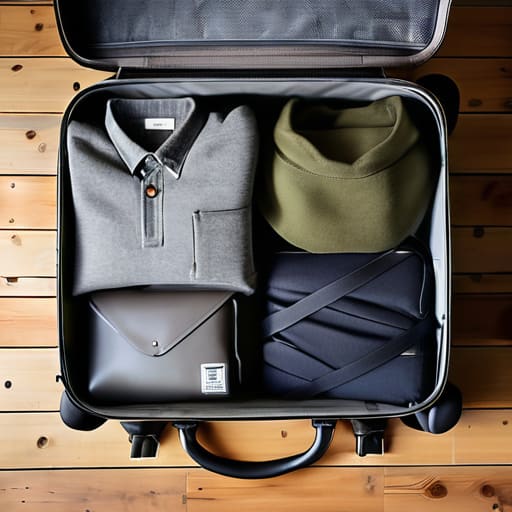
I’ve spent too many nights in cramped bush planes and tiny hostel bunks to realize that how you organize your gear is just as important as what you bring. If you’re still just tossing loose clothes into a bag, you’re wasting precious real estate. I swear by packing cubes for travel to create modular zones in my bag. It’s not just about neatness; it’s about being able to rip out my electronics kit without digging through a mountain of merino wool. By compressing my soft goods into these cubes, I can squeeze an extra few liters of capacity out of a standard carry-on, which is a lifesaver when I’m trying to keep my footprint small.
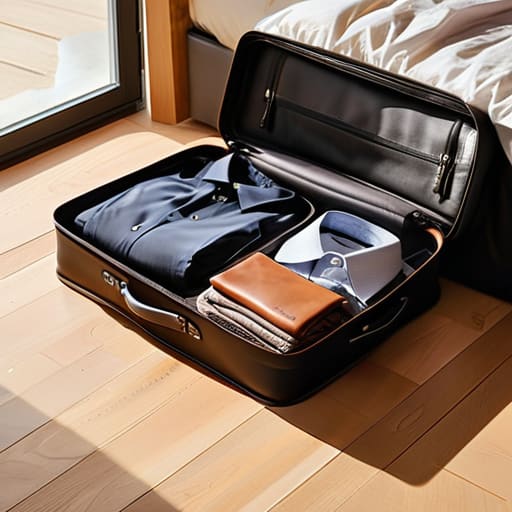
When it comes to the actual clothes, the great debate of rolling vs folding usually ends with one winner for me: the roll. I’ve found that tight, disciplined rolls prevent the deep creases that come from traditional folding and, more importantly, they fill the awkward gaps between my camera bodies and tripod legs. It’s one of those simple space saving packing methods that makes a massive difference when you’re trying to maximize every single inch of a limited bag.
My Field-Tested Rules for Avoiding the "Heavy Bag" Headache
- Prioritize the “One-Bag” Rule: If I can’t shoulder my pack and hike for twenty minutes without feeling like I’m carrying a boulder, I’ve failed. Before you zip anything up, do a literal weight test at home; if it feels heavy in your living room, it’s going to feel twice as heavy when you’re sprinting through Terminal 3.
- The Battery-First Strategy: Since I’m obsessed with power, I pack my chargers and power banks in a dedicated, easy-access tech pouch. Never bury your juice at the bottom of the bag—you don’t want to be digging through a mountain of clothes at a security checkpoint just to find a cable.
- Use Hard-Shell Protection for Glass: My camera lenses and drone controllers aren’t just “gear”—they’re my livelihood. I never rely on soft packing cubes for my tech; I use small, rugged, hard-shell cases that can take a hit if my bag gets tossed around by baggage handlers.
- Wear Your Heaviest Layers: This is a classic for a reason. If I’m bringing a heavy field jacket or my most substantial boots, they go on my body during transit. It’s the easiest way to shave off precious pounds and inches from your actual carry-on volume.
- The “Quick-Access” Layer: Always keep your most essential, high-frequency items—like your passport, noise-canceling headphones, and a lightweight rain shell—in the outermost pocket. When the weather turns or you need to grab your docs, you shouldn’t have to unpack your entire life to find them.
The Final Pack Test
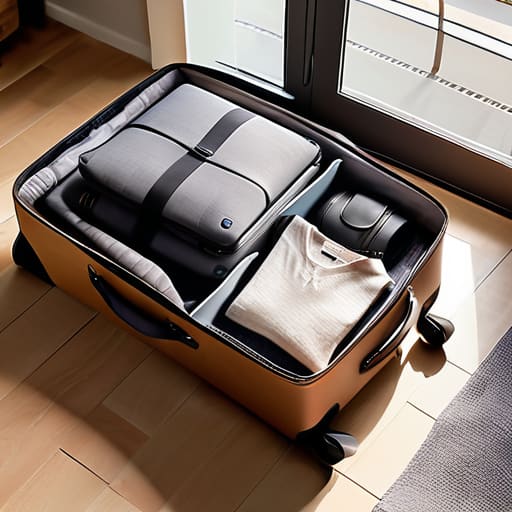
At the end of the day, packing a carry-on isn’t about seeing how much stuff you can cram into a single compartment; it’s about ruthless prioritization. You’ve learned that compression cubes are your best friend, that modularity saves your sanity when you’re digging for a lens cap in a dark terminal, and that every ounce counts when you’re trekking from the gate to the taxi. If you find yourself struggling to zip that bag shut, you haven’t finished packing yet. Remember my golden rule: if it doesn’t pass the backpack test, it doesn’t make the cut. Keep your essentials accessible, your heavy tech centered, and your footprint light.
Once that bag is zipped and sitting by your door, take a breath. The goal of all this meticulous planning isn’t to become a professional packer—it’s to ensure that once you land, the gear becomes an extension of you rather than a burden. When you’re standing under a canopy of stars in a remote desert or chasing the golden hour through a crowded city, you shouldn’t be thinking about your luggage; you should be capturing the moment. Pack smart, pack light, and then get out there and see what the world has to show you.