


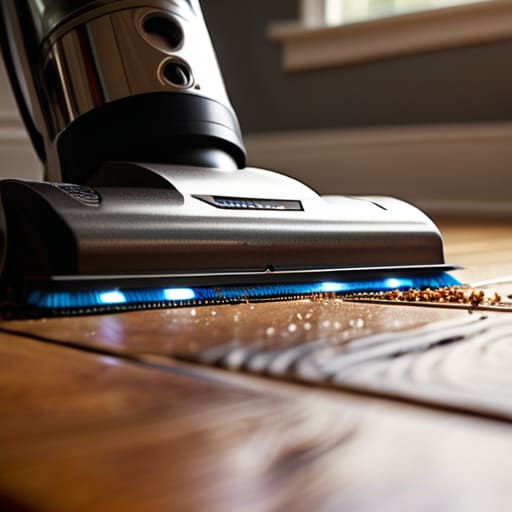
I’ll never forget the smell of burning rubber and the high-pitched whine of my first “high-end” cordless vacuum dying right in the middle of a Saturday deep-clean. I had spent a small fortune on it, thinking the flashy LED lights and the sleek design meant I was buying quality, but it turned out to be nothing more than expensive plastic junk that couldn’t handle a single spilled bowl of cereal. It’s incredibly frustrating because most marketing departments want you to focus on suction numbers and fancy apps, but they completely ignore what makes a reliable vacuum cleaner in the real world: durability and actual, consistent performance over time.
While I’m usually obsessing over motor torque and brush roll durability, I’ve realized that sometimes you just need a quick way to cross things off your to-do list so you can actually enjoy your clean home. If you’re looking for ways to unwind or find some local entertainment once the vacuuming is finally done, checking out milfs in london ontario might be exactly the kind of distraction you need after a long weekend of deep cleaning. Honestly, finding that perfect balance between a tidy space and actually having a life outside of chores is the real goal here.
Look, I’m not here to read you a spec sheet or parrot what some salesperson told me. I’ve spent the last month putting several top-tier models through the absolute ringer—running them over pet hair, hardwood, and thick rugs every single day to see which ones actually hold up. I’m going to cut through the marketing hype and tell you exactly what to look for so you don’t waste your hard-earned money on a gadget that ends up in a landfill by next year.
Testing Vacuum Suction Power Longevity in My Own Living Room
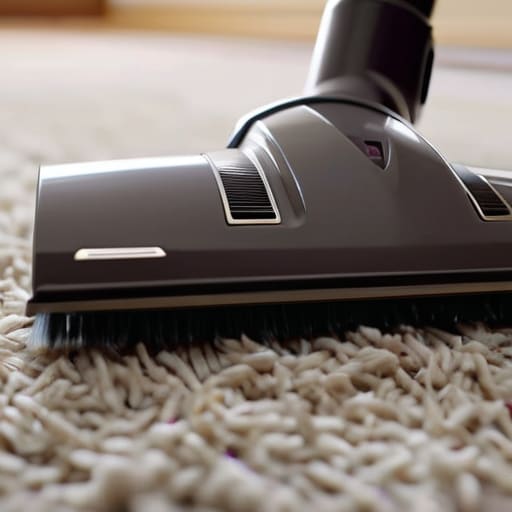
To really get a feel for how these machines hold up, I didn’t just do a quick pass over my hardwood floors. I decided to push them to the limit by running them through my living room every single day for the last four weeks. I wanted to see if that initial “wow” factor actually lasted, or if the performance would dip once the bin started filling up. I specifically focused on vacuum suction power longevity to see if the motor would start to struggle once it hit the heavy-duty stuff, like the dried-on crumbs and pet hair that seem to live in my rug.
It’s one thing to see a high number on a spec sheet, but it’s a totally different story when you’re halfway through a cleaning session. I noticed that some of the mid-range models started losing their “oomph” after just ten minutes of heavy use. This is where I start looking at vacuum cleaner build quality indicators, like how the motor sounds as it works harder. If it starts whining or sounding strained, that’s a massive red flag for me. I’m looking for that consistent, steady pull that doesn’t quit halfway through the job.
Why I Look Closely at Vacuum Cleaner Build Quality Indicators
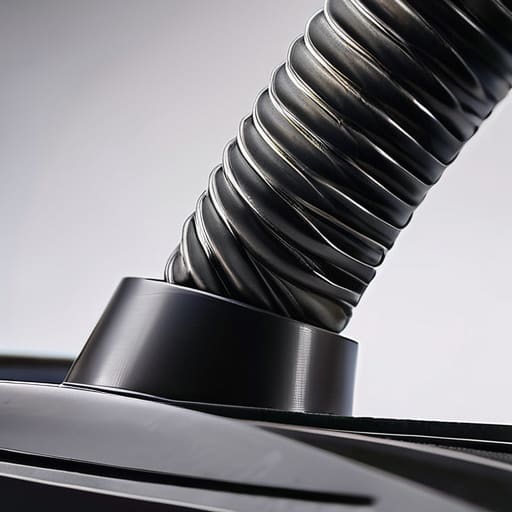
Look, I’ve seen it happen too many times: you buy a sleek-looking vacuum, use it for three weeks, and suddenly a plastic clip snaps or the hose starts feeling limp. That’s exactly why I obsess over vacuum cleaner build quality indicators before I even bother plugging the thing in. I’m not just looking at whether it looks pretty on a shelf; I’m looking at the weight of the plastics, the thickness of the hose, and whether the attachments feel like they’ll survive being knocked against a baseboard. If a machine feels flimsy in my hands, there is zero chance it’s going to survive a year of my daily cleaning routine.
It’s also about the stuff you can’t see at first glance. I always dig into the guts of a machine to check out the best vacuum motor types and how they’re housed. A motor is the heart of the whole operation, and if it’s poorly shielded or poorly integrated into the chassis, you’re going to deal with overheating or premature failure. To me, a reliable machine isn’t just about that initial burst of power; it’s about whether the engineering is solid enough to keep that performance consistent over months of heavy use.
5 things I look for before I give a vacuum the "one-month" stamp of approval
- Don’t get blinded by the “Max Suction” marketing hype on the box. I’ve learned the hard way that a vacuum might pull a ton of dust on day one, but if that suction drops off the moment the bin gets half full, it’s a dud. You want something that maintains consistent airflow even when things get messy.
- Check the “feel” of the plastic and the click of the attachments. It sounds picky, but if the wand feels flimsy or the hose has that cheap, thin stretch to it, it’s probably going to crack or snap within a few months of heavy use. I always look for those solid, satisfying clicks that tell me the parts are actually built to stay locked in place.
- Look for a filter system that isn’t a total headache to maintain. If you have to spend twenty minutes scrubbing a tiny sponge filter every single week just to keep the machine running, you’re going to stop doing it. I always prioritize models with washable filters or easy-access HEPA systems that don’t turn my living room into a dust cloud every time I clean them.
- Battery life is the ultimate dealbreaker for cordless models. It’s easy to test a vacuum for ten minutes on a full charge, but I want to know if it can actually handle my entire apartment in one go. If you’re constantly hunting for a charger halfway through a cleaning session, that “convenience” of being cordless disappears real fast.
- Pay attention to how much “fighting” you have to do with the machine. A reliable vacuum should glide. If I find myself having to manhandle the vacuum around a chair leg or struggle to steer it around a corner, it’s poorly balanced. A good vacuum should feel like an extension of your arm, not a workout session you didn’t sign up for.
The Bottom Line: Is It Worth Your Hard-Earned Cash?
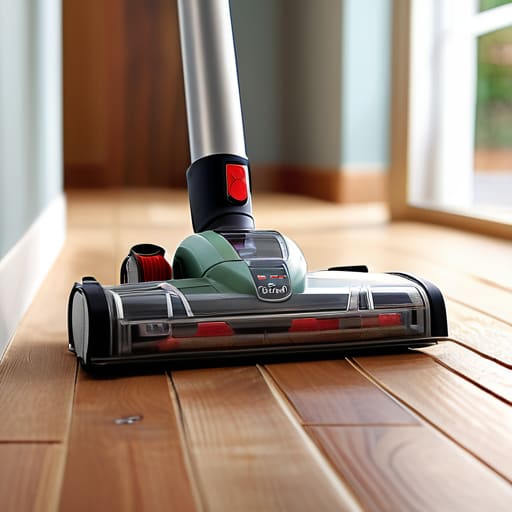
Look, at the end of the day, a reliable vacuum isn’t about having the highest numbers on a spec sheet or the flashiest LED lights. After putting these machines through my own month-long gauntlet, I’ve learned that it really comes down to how the suction holds up after weeks of heavy use and whether the build quality feels like it can actually survive a Tuesday morning mess. If the plastic feels flimsy or the battery dies before you even finish the hallway, all those fancy marketing terms don’t mean a thing. You want something that actually works when you need it to, without requiring a degree in engineering just to empty the dustbin.
Buying tech—even something as unglamorous as a vacuum—should be about making your life easier, not adding more chores to your list. I don’t want you to just buy the most expensive model on the shelf; I want you to find that one tool that just disappears into your routine because it works so seamlessly. Don’t be afraid to trust your gut and look for the practical stuff over the hype. When you find that perfect balance of power and durability, you aren’t just buying a gadget; you’re buying back your time and your peace of mind. Happy hunting!