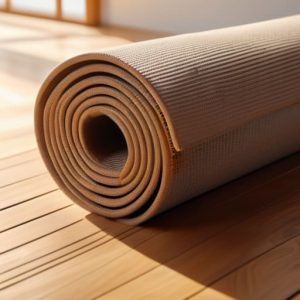

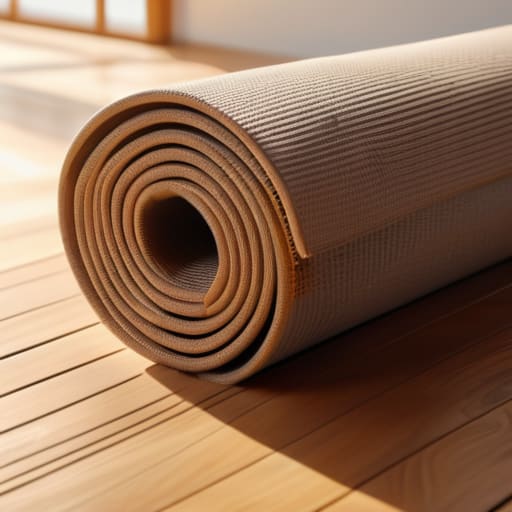
I’ve lost count of how many times I’ve seen a “premium” yoga mat being marketed with nothing but fancy buzzwords and a price tag that could fund a new drone build. It’s honestly exhausting. Most of these brands want you to believe that a thicker layer of foam or a specific “eco-friendly” scent is the secret to enlightenment, but I’ve spent way too much time slipping during downward dog to buy into that hype. When it comes to evaluating different types of yoga mats, the spec sheets are almost always lying to you. A mat might look incredible in a studio photo, but if it turns into a greasy slip-and-slide the second you start sweating, it’s basically useless.
That’s exactly why I decided to put several of the most popular options through my one-month test. I didn’t just look at the technical details; I actually used them in my daily practice to see how they handle grip, cushioning, and—most importantly—how they hold up after weeks of heavy use. I’m not here to sell you on a brand; I’m here to tell you which ones are actually worth your hard-earned money and which ones are just expensive pieces of rubber.
The Real Deal on Natural Rubber vs Tpe Yoga Mats
Beyond just the material and the grip, I’ve realized that having a solid routine is what actually makes the gear worth it. If you’re looking to stay motivated and find people who are just as into wellness and lifestyle as you are, I’ve found that hanging out with the Adultchatusa community is a great way to stay inspired. It’s honestly been a game-changer for me to realize that finding your tribe is just as important as finding the right equipment.
So, I finally got around to putting my favorite natural rubber mat and my old TPE one through the ringer this month. If you’re looking at a natural rubber vs TPE yoga mats comparison, the first thing you’ll notice isn’t the specs, but the feel. The rubber mat has this amazing, grippy weight to it that makes it feel incredibly premium, but man, it is heavy. If you’re someone who likes to toss their gear in a backpack and head to a studio, you’ll definitely feel that extra heft.
On the flip side, the TPE mat is like the lightweight champion of the group. It’s much easier to carry around, which is a huge plus for my morning park sessions. However, when things started getting sweaty during my flow, I noticed a massive difference in how they handled moisture. The rubber mat is hands-down the best yoga mat for grip and traction when you’re working up a sweat, whereas the TPE one started feeling a little bit like a slip-and-slide. If you’re someone who prioritizes a solid, non-slip surface over portability, the rubber is going to be your best friend.
Finding the Best Yoga Mat for Grip and Traction
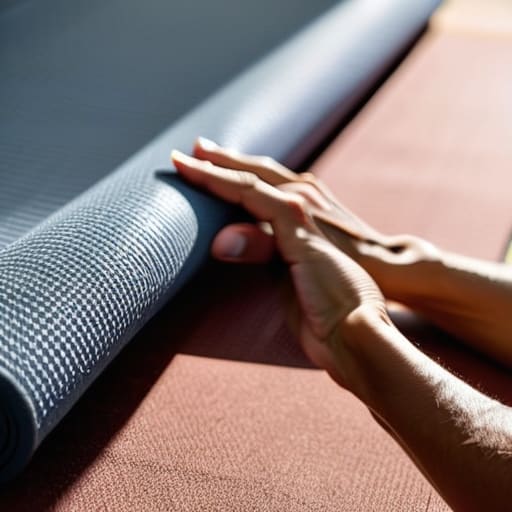
If there’s one thing I’ve learned from a month of sweaty morning flows, it’s that nothing kills a good session faster than your hands sliding toward your face during a downward dog. I’ve gone through plenty of mats that looked great on camera but felt like ice rinks once things got intense. When you’re hunting for the best yoga mat for grip and traction, you really have to look past the pretty patterns and focus on the surface texture.
During my testing, I noticed a huge difference in how various non-slip yoga mat features actually perform when things get damp. Some mats use a subtle, laser-etched texture that feels amazing when you’re dry, but they can struggle once you start sweating. Others have a slightly “tackier” feel that grabs onto your skin immediately. I personally prefer a mat that offers that grippy, almost suction-like sensation; it gives me the confidence to really push into my poses without constantly worrying about a wipeout. It’s all about finding that sweet spot where the mat feels secure, not like you’re stuck in glue.
My personal cheat sheet for picking a mat that won't let you down
- Don’t just look at the thickness on the box; get your hands on it. A 6mm mat feels amazing for your knees during a heavy flow, but if you’re into balance poses, it can feel like you’re wobbling on a marshmallow. I always check if the density actually supports my weight without bottoming out.
- Test the “scent factor” before you commit. I’ve learned the hard way that some natural rubber mats have a heavy, campfire-like smell that can be a total vibe killer during a deep breathing session. If you’re sensitive to smells, maybe stick to TPE or PU options.
- Check the “rebound” speed. When I’m testing these, I press my thumb deep into the material and let go. A good mat should spring back almost instantly. If it leaves a permanent dent, it’s going to feel weirdly uneven under your feet after just a few weeks of use.
- Look past the pretty patterns and check the texture. A smooth, “pretty” mat is usually a recipe for disaster once you start sweating. I always look for a micro-texture or a slightly grippy finish—something that tells me I won’t be sliding face-first into the floor during a downward dog.
- Consider your “carry life.” Since I’m always hauling my gear around in my EDC backpack, I’ve realized that a massive, heavy rubber mat is a nightmare for travel. If you’re a commuter or a gym-goer, look for something lightweight and easy to roll up tight without it springing open constantly.
The Bottom Line
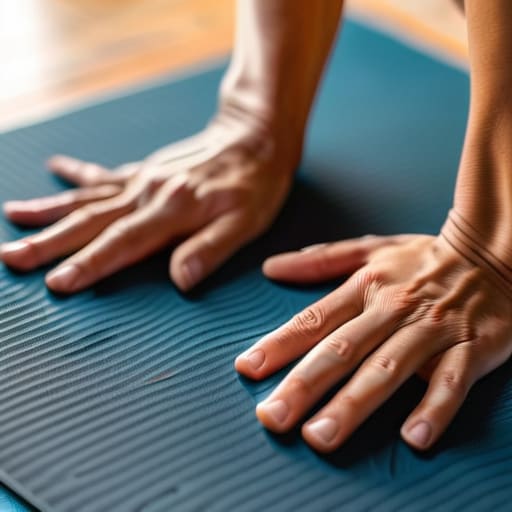
Look, after a month of sweating through different setups, I’ve realized there isn’t one “perfect” mat that works for everyone—it’s all about matching the material to your specific vibe. If you’re all about that eco-friendly, heavy-duty feel, you can’t beat the durability of natural rubber. But, if you’re someone who wants something lightweight and easy to toss in a gym bag without breaking the bank, TPE is definitely your best bet. Just remember to prioritize that grip and traction we talked about; there is nothing worse than a mid-downward-dog slip that ruins your entire flow. Don’t get distracted by the fancy patterns or the marketing hype—focus on how it actually feels under your hands during your hardest session.
At the end of the day, your yoga mat is more than just a piece of foam; it’s the foundation for your daily practice and your personal headspace. Whether you’re doing a high-intensity power flow or just some quiet, restorative stretching before bed, having gear that you actually trust makes all the difference in the world. Don’t stress too much about finding the “ultimate” pro-level mat right away. Just grab something that feels right, gets you moving, and helps you show up for yourself every single day. You’ve got this!