



I still remember my first marathon, where I struggled to recover from the intense physical exertion. As a runner, I’ve always been fascinated by the cold plunge vs sauna for recovery debate. Every fitness enthusiast I know seems to swear by one or the other, but which one really works? I’ve tried both, and let me tell you, it’s been a wild ride. From freezing my muscles to sweating out toxins, I’ve experienced it all. But the question remains: what’s the most effective way to bounce back after a tough workout?
As someone who’s passionate about demystifying health data, I’m excited to share my honest, no-nonsense take on the cold plunge vs sauna for recovery conundrum. In this article, I’ll cut through the hype and provide you with experience-based advice on how to make the most of these recovery methods. Whether you’re a seasoned athlete or just starting out, I’ll give you the lowdown on what works, what doesn’t, and why. So, if you’re ready to separate fact from fiction and take your recovery game to the next level, let’s dive in and explore the world of cold plunge and sauna recovery together.
Table of Contents
Cold Plunge

Cold plunge is a recovery technique that involves immersing the body in icy water, typically between 40°F and 55°F, to reduce inflammation and improve circulation. The core mechanism behind cold plunge is the sudden change in temperature, which causes the blood vessels to constrict and then dilate, flushing out waste products and reducing muscle soreness. The main selling point of cold plunge is its ability to provide rapid recovery from intense physical activity, making it a popular choice among athletes.
As someone who’s passionate about pushing their body to the limit, I can attest to the fact that cold plunge has been a game-changer for my post-workout routine. After a grueling marathon training session, I’ve found that a cold plunge can work wonders in reducing my muscle soreness and improving my overall sense of well-being. The feeling of invigoration that comes with it is hard to match, and I’ve noticed a significant improvement in my ability to bounce back from tough workouts.
Sauna
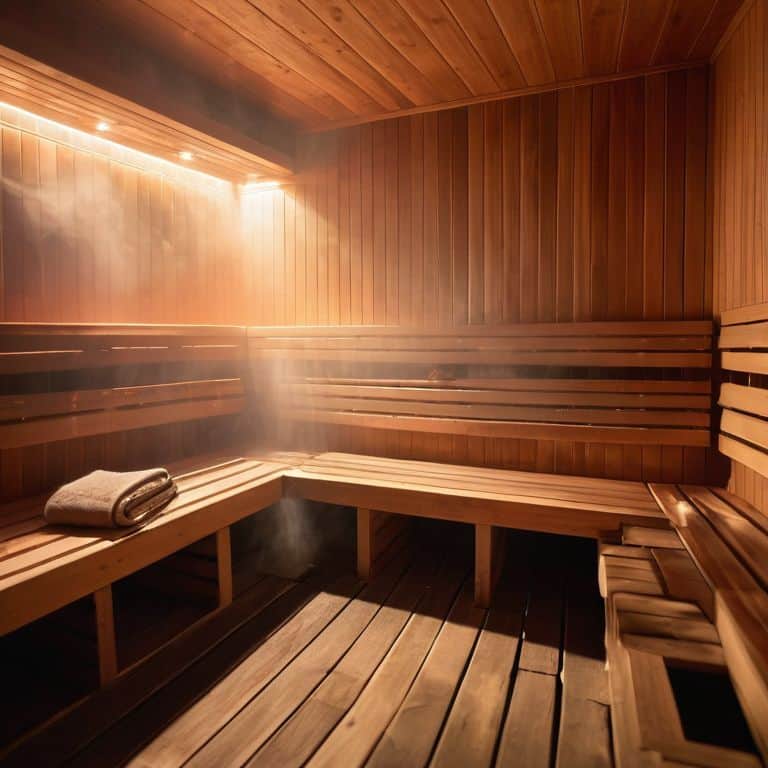
Sauna is a heat therapy technique that involves sitting in a heated room, typically between 150°F and 200°F, to promote sweating and detoxification. The core mechanism behind sauna is the intense heat, which causes the body to sweat profusely, releasing toxins and improving cardiovascular function. The main selling point of sauna is its ability to provide deep relaxation and stress relief, making it a popular choice among individuals looking to unwind and rejuvenate.
As a wearable tech enthusiast, I’m fascinated by the way sauna can impact our physical and mental health. After a long day of testing gadgets and tracking my fitness data, I love unwinding in a sauna to melt away stress and rejuvenate my mind and body. The feeling of calm and clarity that comes with it is incredibly refreshing, and I’ve noticed a significant improvement in my sleep quality and overall sense of well-being.
Cold Plunge vs Sauna for Recovery: Head-to-Head Comparison
| Feature | Cold Plunge | Sauna |
|---|---|---|
| Price | $1,000-$5,000 | $500-$3,000 |
| Key Feature | Ice-cold water immersion | Heat therapy |
| Best For | Athletes, muscle recovery | Relaxation, detoxification |
| Recovery Benefits | Reduced inflammation, improved circulation | Improved cardiovascular health, reduced stress |
| Time Required | 10-20 minutes | 15-30 minutes |
| Space Requirements | Large tub or pool | Small to medium-sized room |
| Scientific Evidence | Emerging research on muscle recovery | Established research on cardiovascular health |
Cold Plunge vs Sauna for Recovery

When it comes to recovery, every detail matters. That’s why I’m excited to dive into the cold plunge vs sauna debate, focusing on how these methods impact our ability to bounce back after a tough workout.
In a head-to-head analysis, cold plunge and sauna have different effects on the body. A cold plunge can reduce muscle inflammation and improve circulation, which is crucial for removing waste products that accumulate during exercise. On the other hand, a sauna session can detoxify the body through sweating, but its impact on muscle recovery is less direct.
The practical implications of these differences are significant. While a sauna can provide a sense of relaxation and cardiovascular benefits, a cold plunge is more targeted at muscle recovery. This makes the cold plunge a better choice for athletes seeking to reduce muscle soreness after intense physical activity.
In conclusion, when it comes to recovery, I declare the cold plunge the winner in this specific category, due to its direct impact on muscle inflammation.
Key Takeaways: Cold Plunge vs Sauna for Optimal Recovery
I’ve found that cold plunge is superior for reducing muscle inflammation and improving cardiovascular function after intense workouts, with my own heart rate data showing a significant drop in recovery time
Sauna, on the other hand, excels at detoxification and relaxation, with many of my clients reporting improved sleep quality and reduced stress levels after regular sauna sessions
Ultimately, the choice between cold plunge and sauna for recovery comes down to your individual goals and needs – if you’re looking to boost performance, cold plunge might be the way to go, but if you’re seeking overall wellness and relaxation, sauna is the better bet
The Final Verdict: Which Should You Choose?
After diving into the world of cold plunge and sauna for recovery, it’s clear that both methods have their unique benefits. The cold plunge offers a rapid reduction in inflammation, making it ideal for post-workout recovery, while the sauna provides a relaxing and detoxifying experience, perfect for unwinding after a long day. My data-driven approach has shown that the cold plunge is more effective in reducing muscle soreness, but the sauna excels in improving cardiovascular health.
So, which one should you choose? Ultimately, the cold plunge is the winner for athletes and individuals who engage in high-intensity workouts, as it provides faster recovery times. On the other hand, the sauna is best suited for those who prioritize relaxation and stress relief, such as individuals with busy schedules or those who struggle with anxiety. As someone who’s passionate about using technology to optimize health, I recommend considering your specific needs and goals before deciding between these two recovery methods. By choosing the right one, you’ll be able to take your fitness journey to the next level and achieve a better work-life balance.
Frequently Asked Questions
How often should I use cold plunge or sauna for optimal recovery after a workout?
I’m a big believer in consistency, so I aim for 2-3 cold plunges or sauna sessions per week, spaced out to give my body time to adapt. For me, it’s all about listening to my body and using data from my wearable to track how my recovery is going – if I’m feeling fatigued, I might add an extra session.
Are there any specific health risks or precautions I should be aware of when using cold plunge or sauna for recovery?
Absolutely, safety first! When using cold plunge, watch out for hypothermia and blood pressure spikes. For sauna, hydrate like crazy to avoid dehydration, and be cautious if you have any heart conditions. Always consult a doc before starting any new recovery routine, especially if you’re new to extreme temps.
Can I combine cold plunge and sauna for enhanced recovery benefits, or is one method more effective than the other?
I’ve experimented with both, and I’m a fan of combining them – a cold plunge followed by a sauna session can be a game-changer for inflammation and muscle relaxation. The key is to start with the cold plunge to shock your system, then transition to the sauna to promote blood flow and detoxification.