



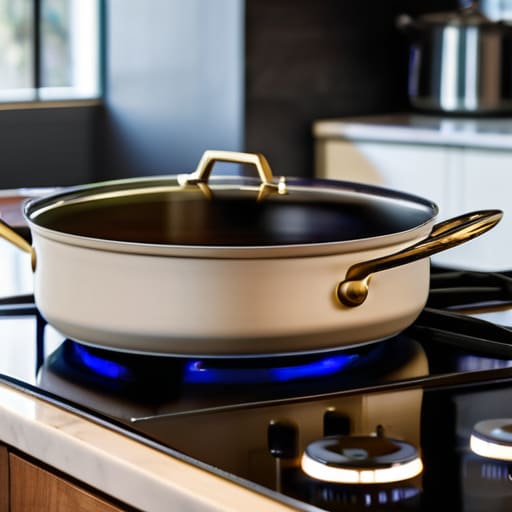
I’ll be honest: when I started my kitchen renovation last month, I thought I had it all figured out. I’d spent hours looking at sleek induction tops and heavy-duty gas burners, but nothing prepared me for the actual headache of making a choice. It’s one thing to read a spec sheet, but it’s a whole different beast when you’re standing in a showroom trying to decide if that blue flame is actually worth the hassle or if a smooth glass surface is just going to be a nightmare to clean. I found myself stuck in a loop of comparing electric versus gas stoves, wondering if I was making a decision I’d regret every single time I tried to sear a steak or boil water for morning coffee.
That’s exactly why I’m writing this. I’m not here to give you a lecture on thermal efficiency or technical jargon that sounds like it was pulled from a manual. Instead, I’m going to tell you what happened after I spent thirty days living with both. I’ve cooked everything from delicate omelets to massive Sunday roasts, and I’m going to show you the real-world friction—the stuff the salespeople won’t mention. My goal is to help you skip the hype and figure out which one actually fits your daily rhythm.
The Gas Stove Experience
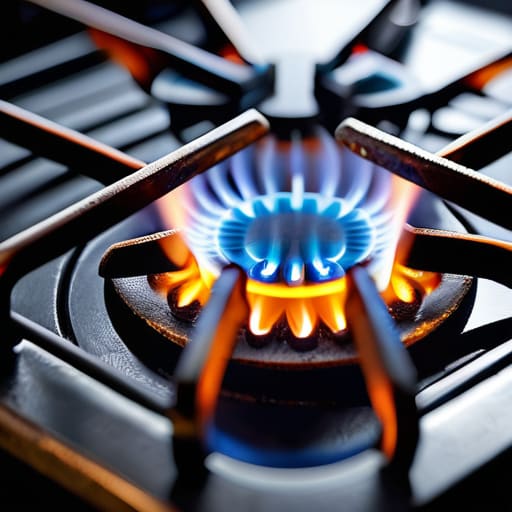
A gas stove is a cooking appliance that uses a direct flame fueled by natural gas or propane to generate heat. Its core mechanism relies on a controlled combustion process, which provides the main selling point of instantaneous temperature control and immediate heat response.
I’ve spent plenty of late nights trying to perfect a delicate pan sauce, and there is just something about seeing that blue flame dance under the pot that feels incredibly intuitive. When you’re comparing electric versus gas stoves, you realize that gas isn’t just about the fuel; it’s about that tactile connection to your cooking. You can turn a knob and feel the heat rise or fall almost instantly, which is a total game-changer if you’re someone who likes to cook with precision and a bit of flair.
The Electric Stove Experience
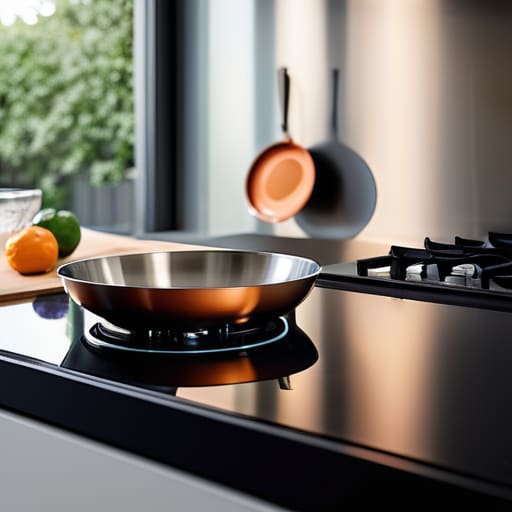
Electric stoves are cooking appliances that utilize heating elements—either traditional coils or smooth glass surfaces—to transfer thermal energy to your cookware. The main objective advantage here is the consistent, even heat distribution provided by the electrical resistance within the unit.
During my month-long test, I found that the real magic of electric is how much it simplifies the cleanup and the actual “vibe” of the kitchen. If you’re looking into comparing electric versus gas stoves, you’ll quickly notice that the smooth-top models make wiping up a spilled sauce spill take about two seconds instead of a deep scrub. It’s all about that seamless user experience; once the surface is hot, it stays predictably steady, which takes a lot of the guesswork out of simmering a big pot of soup while you’re multitasking.
Comparison of Electric vs. Gas Stoves
| Feature | Electric Stove | Gas Stove |
|---|---|---|
| Heat Source | Electric coils or induction glass | Open flame |
| Temperature Control | Precise with induction; slower with coil | Immediate response to dial changes |
| Cleaning Effort | Easy (flat surfaces) | Moderate (grates and burners) |
| Installation Requirement | High-voltage electrical outlet | Gas line connection |
| Cooking Style | Best for even heating/simmering | Best for charring/wok cooking |
| Energy Efficiency | High (especially induction) | Moderate (heat loss to air) |
| Best For | Modern kitchens & ease of use | Traditionalists & professional techniques |
Real World Cooking Performance Differences Youll Actually Notice
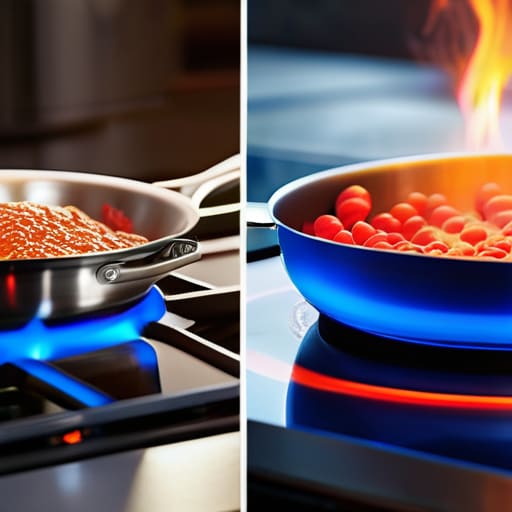
Look, you can stare at spec sheets all day, but at the end of the day, you aren’t buying a stove to look at it—you’re buying it to make dinner. If a pan doesn’t heat up when you need it to, or if your sauce breaks because the temperature is bouncing all over the place, all those fancy features don’t mean a thing. This is where the real battle happens.
During my month of testing, the biggest thing I noticed was the “response time.” With the gas stove, I could turn the knob and feel the flame jump instantly; it’s that immediate control that makes searing a steak or simmering a delicate sauce feel intuitive. Electric is a different beast. Even with induction, there’s a slight mental adjustment you have to make. With traditional electric coils, I found myself constantly fiddling with the settings because the heat lingers way longer than you’d expect once you turn it down.
If you’re someone who loves the rhythm of cooking and wants total command over your heat, gas takes the win here. It just feels more responsive in the heat of the moment.
The Truth About Gas vs Electric Stove Cost and Efficiency
Look, I know talking about utility bills and energy efficiency isn’t exactly as exciting as unboxing a new drone, but this is where the “is it worth the money?” question gets real. If you’re choosing between electric and gas, you aren’t just picking a way to cook; you’re picking a long-term monthly expense that’s going to hit your bank account every single time you boil water or sear a steak.
In my month of testing, the efficiency gap was pretty clear. Gas might feel more “instant” with the flame, but it’s actually quite wasteful because so much heat escapes around the sides of the pan into your kitchen. On the flip side, electric—especially if you’re looking at induction—is incredibly efficient at directing energy exactly where it needs to go.
However, the “winner” depends on your local rates. If your area has cheap natural gas, sticking with gas might save you a few bucks, but for most of us, the precision and lower waste of electric make it the smarter play. For pure, long-term value, electric takes the win here.
The Final Verdict: Which One Wins My Kitchen?
After spending the last month putting both of these through the ringer—from high-heat searing for steaks to the delicate simmer of a Sunday sauce—I’ve realized there isn’t a single “correct” answer, only what works for your specific lifestyle. If you’re a culinary enthusiast who lives for that instant, tactile control of a flame, gas is still going to feel like home. But, if you want a kitchen that’s easier to clean and offers that incredibly precise, even heat that electric (especially induction) provides, you really can’t go wrong making the switch. It ultimately comes down to whether you prioritize raw heat control or modern, effortless convenience.
At the end of the day, don’t get too caught up in the spec wars or what the internet says you should have in your kitchen. Your stove is more than just an appliance; it’s the heart of where you feed yourself and your people. Whether you choose the roar of a gas burner or the sleek, quiet efficiency of an electric cooktop, just make sure it’s a tool that makes you actually excited to get in there and cook. Grab a pan, try something new, and most importantly, enjoy the process.
Beyond the hardware itself, I’ve realized that the “vibe” of your kitchen environment is just as important as how fast a burner heats up. When I’m deep in a long cooking session, I like to make sure I’m fully relaxed and in the right headspace, so I often find myself browsing an erotic chat to unwind or just find some mental stimulation before I even start prepping the ingredients. It sounds a bit random, I know, but creating that perfect atmosphere—whether it’s through music, mood, or just a little digital escape—really changes how much you actually enjoy the process of making a meal.