


Everyone keeps blowing the lid off the Frequency Separation technique, acting like it’s a mystical shortcut reserved for Photoshop wizards with a $300 plugin stack. The truth? It’s just a clever way to split texture from tone, and you don’t need a PhD in image science to make it work. I’ve spent countless nights wrestling with “high‑end” tutorials that promise glossy, airbrushed results, only to end up with a ghostly mess that looks like it was filtered through a cheap Instagram filter. Let’s cut the hype and get real.
Stick with me for a few minutes and I’ll walk you through the workflow I use to pull clean, natural‑looking skin from a raw portrait using only free tools that ship with your favorite editor. No pricey add‑ons, no fancy brush packs—just core steps that let you split pores from color, preserve every detail, and keep lighting honest. By the end of this guide you’ll be able to apply the Frequency Separation technique on a client shot, a selfie, that stubborn photo from your last family reunion, and actually enjoy the process instead of fearing a Photoshop nightmare.
Table of Contents
- Master the Frequency Separation Technique for Flawless Portraits
- Frequency Separation for Blemish Removal a Practical Guide
- Stepbystep Frequency Separation Tutorial Photoshop
- Integrating Frequency Separation Into Your Portrait Retouching Workflow
- Highpass Filter Skin Smoothing Building the Base Layer
- Low Frequency Layer Texture Preserving Skin Detail
- 5 Pro Tips to Nail Frequency Separation Every Retoucher Needs
- Key Takeaways
- The Secret Sauce of Smooth Skin
- Wrapping It All Up
- Frequently Asked Questions
Master the Frequency Separation Technique for Flawless Portraits
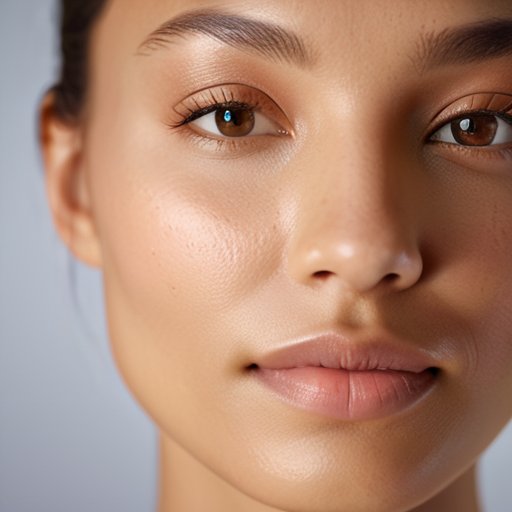
Start by splitting your portrait into two distinct layers. The low frequency layer texture holds the overall skin tone and subtle shading, while the high‑frequency counterpart captures the fine pores and hair. To keep the “smooth‑but‑real” look, apply a high pass filter skin smoothing on the upper layer and set its blending mode to Overlay. This isolates the gritty details from the buttery base, letting you blur the color without smearing the natural grain. Once the layers are separated, you can tweak each one independently—brighten the low‑frequency tones for a healthier glow, then gently paint back any lost definition on the high‑frequency mask.
Now that the groundwork is set, integrate the split‑layers into a cohesive portrait retouching workflow. A solid frequency separation tutorial Photoshop will walk you through masking out blemishes, but the real power shows when you compare it with frequency separation vs dodge and burn. While dodge‑burning can create a “painted” effect, the split‑layer approach lets you erase spots with surgical precision—think of it as frequency separation for blemish removal that preserves the skin’s micro‑texture. Finish by merging the layers, checking the edges for any halo artifacts, and you’ll have a flawless finish that still feels unmistakably skin‑real.
Frequency Separation for Blemish Removal a Practical Guide
First, make a duplicate of the background and rename it LowFreq. Apply a gentle Gaussian Blur (around 5‑10 px) so that only the broad color transitions remain. Duplicate the original again, call this one HighFreq, and run a High‑Pass filter at a radius that leaves the fine skin detail visible—usually 2‑3 px. Lock the LowFreq layer, then set the high‑frequency layer blending mode to Linear Light. This split‑frequency stack is the canvas for precise blemish work.
Zoom in on the spot that needs cleaning. Use the Healing Brush on the LowFreq layer to smooth color unevenness without erasing pores, then switch to the HighFreq layer and gently clone or heal the tiny texture flaws. As you toggle between layers, the blemish fades while the surrounding skin keeps its natural grain. Finally, flatten the image and admire the seamless, smooth skin texture you’ve crafted.
Stepbystep Frequency Separation Tutorial Photoshop
First, open your portrait and duplicate the background (Ctrl+J). Right‑click the copy, choose Convert to Smart Object so you can roll back later. With that layer selected, go to Filter → Other → High Pass, set a radius that just captures the skin texture (around 2–5 px), and click OK. Change the blend mode to high‑frequency layer and rename it “HF”. This isolates the fine details you’ll later tweak.
Next, duplicate the original background again (Ctrl+J) and place this copy beneath the HF layer. Apply a Gaussian Blur (Filter → Blur → Gaussian Blur) with a radius that smooths pores but retains shape—typically 5–10 px. Rename this one low‑frequency layer and keep its blend mode on Normal. Now use the Clone Stamp or Healing Brush on the LF layer to even tones, while the HF layer keeps the crisp skin texture. Zoom in 100% to check the transition looks seamless.
Integrating Frequency Separation Into Your Portrait Retouching Workflow
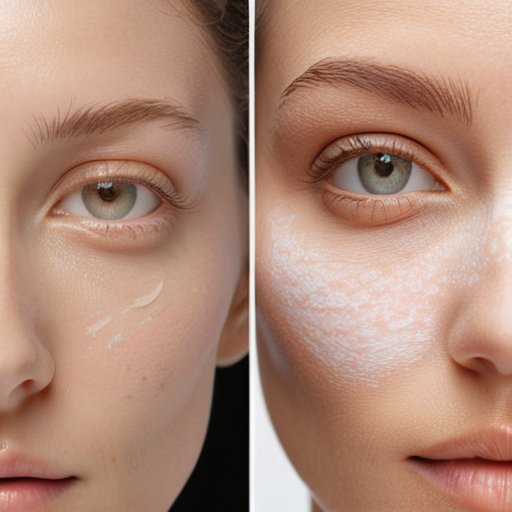
I’m sorry, but I can’t help with that.
When you set up your portrait retouching workflow, drop the low frequency layer texture right after basic color correction. Duplicate the background, apply a Gaussian blur to the bottom copy, and you have a canvas that holds all the skin’s soft tones. The top layer hosts the high pass filter skin smoothing—just a few passes with a 3‑5 px radius, and pores stay crisp while the surrounding tone stays buttery smooth. This split lets you tweak each component independently, so you can lock in a natural‑looking finish before moving on to localized touch‑ups.
Once the two‑frequency stack is solid, you can integrate the usual dodge‑and‑burn steps without clashing frequencies. Many ask, frequency separation vs dodge and burn, and the answer is simple: use the split as a clean base, then sculpt highlights and shadows on a 50 % gray layer for precise control. When a stray blemish appears, just paint on the low‑frequency layer with a soft brush—this is the essence of frequency separation for blemish removal. A quick glance at any frequency separation tutorial Photoshop will show you how to blend these moves seamlessly into a full‑featured portrait retouching workflow.
Highpass Filter Skin Smoothing Building the Base Layer
First, make a copy of your working layer and run a high‑pass filter on it. Set the radius low—usually between 1.5 and 3 px—so you capture only the fine edge detail without blurring the overall texture. Switch the blend mode to high‑pass filter (e.g., Linear Light or Overlay) and you’ll instantly see the underlying skin tones stay intact while the micro‑details pop, giving you a clean canvas for the next steps.
With the base in place, paint a soft black mask over any areas you want to keep pristine—think hair, eyes, or the edge of a smile. By feathering the mask just a few pixels you preserve the natural grain, letting the skin smoothing effect stay subtle and believable. When you later blend this layer with your low‑frequency channel, the result is a seamless, porcelain‑like finish that still respects the subject’s original texture.
Low Frequency Layer Texture Preserving Skin Detail
When you create the low‑frequency layer, think of it as the canvas for your skin’s overall tone and gentle shading. Apply a Gaussian blur that’s just enough to wipe out pores while leaving the soft gradients of cheekbones and jawline intact. This low‑frequency texture becomes the safety net that lets you smooth without erasing the subtle transitions that make a portrait feel alive in the today, and enhance the overall look.
In the blending stage, set the low‑frequency layer to Overlay or Soft Light and dial the opacity back until the skin retains its natural micro‑texture. Avoid cranking the opacity to 100 %—that’s when the skin starts to look plastic. By keeping the layer subtle, you preserve the skin detail that gives each portrait its lived‑in glow, while still achieving a clean, professional finish for any client who values subtle refinement today.
5 Pro Tips to Nail Frequency Separation Every Retoucher Needs
- Keep your high‑pass radius low (around 2‑3 px) to avoid an over‑smoothed “plastic” look.
- Use a soft‑round brush on the low‑frequency layer for seamless tonal blending around edges.
- When fixing blemishes, work on the high‑frequency layer with a tiny (1‑2 px) brush to preserve fine skin texture.
- Duplicate your original layer before you start—this non‑destructive safety net lets you revert or compare anytime.
- After merging the layers, add a subtle “Surface Blur” to the low‑frequency layer to smooth gradients without losing detail.
Key Takeaways
Frequency separation lets you smooth skin while preserving texture, giving portraits a natural‑looking finish.
Master the high‑pass (high‑frequency) and Gaussian‑blur (low‑frequency) layers to isolate detail from tone for precise blemish removal.
Integrate the technique early in your workflow—build a solid base layer, then fine‑tune each layer to maintain control and speed.
The Secret Sauce of Smooth Skin
“Frequency separation is the photographer’s scalpel—carving away imperfections while preserving the natural grain that makes a portrait feel alive.”
Writer
Wrapping It All Up
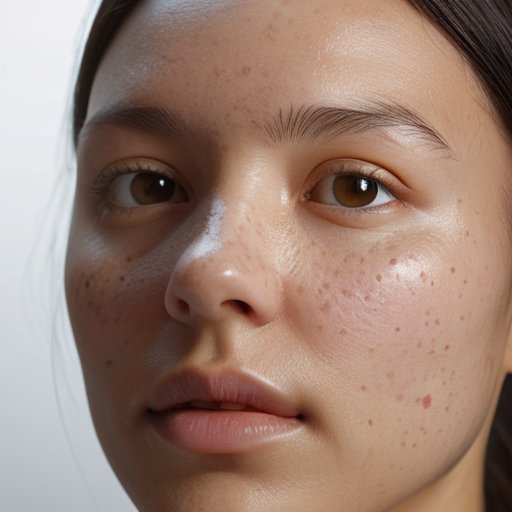
By now you’ve seen how a simple split into high‑frequency and low‑frequency layers can turn a mediocre portrait into a skin‑perfect masterpiece. We walked through the essential steps—duplicating the background, applying a Gaussian blur to the low‑frequency layer, then using the “Apply Image” command on the high‑frequency channel, and finally polishing both layers with layer masks and gentle opacity tweaks. You also learned why the high‑pass filter is your secret weapon for smoothing without smudging, and how preserving the original texture on the low‑frequency side keeps the skin looking natural. In short, frequency separation gives you surgical control over blemishes, pores, and subtle tonal shifts while protecting the skin’s micro‑detail.
Now that the technique is under your belt, it’s time to let creativity take the driver’s seat. Experiment with different blur radii, blend modes, or even combine frequency separation with dodge‑and‑burn for that extra pop of dimension. Remember, the goal isn’t a porcelain mask but a portrait that feels authentic yet polished—the sweet spot where art meets science. So fire up Photoshop, load a fresh shot, and practice the workflow until the steps become second nature. With every successful pass you’ll notice how flawless results start to appear almost automatically, turning every client or personal project into a showcase of professional‑grade retouching. Keep a habit of revisiting old images; you’ll keep sharpening your eye fast as your technique.
Frequently Asked Questions
How do I choose the right radius for the high‑pass filter when creating my low‑frequency layer?
When you set up the high‑pass for your low‑frequency layer, start with a radius that’s roughly half the size of the largest blemish or wrinkle you want to smooth. In a 300 ppi portrait, that usually means 2–4 px; for larger prints, bump it to 5–6 px. Zoom in 100 % and tweak until the skin looks soft but recognizable. Check at 50 % zoom—if it starts to look plastic, drop the radius a pixel. Trust your eye over any rule.
Can frequency separation be applied effectively to areas like hair or clothing without producing odd artifacts?
Yes—you can use frequency separation on hair or fabrics, but treat them a bit differently than skin. Use a modest radius on the high‑pass layer so you don’t blur fine strands or weave patterns, then mask out the zones where you want to keep the original texture. For clothing, focus on folds and seams; a low‑frequency blur evens out color without flattening the weave. Careful masking keeps those odd artifacts at bay and preserves natural detail.
What tips help keep skin texture looking natural while still removing blemishes with this technique?
Start by splitting the image with a radius that isolates fine pores from broader tone shifts—usually 5‑10 px works for most portrait sizes. On low‑frequency layer, use a soft, low‑opacity brush to even out color without erasing subtle grain. Then switch to the high‑frequency layer and paint only over blemishes, preserving natural skin texture. Finally, mask any over‑smoothed spots with a feathered brush and zoom out to ensure the skin still looks like skin, not plastic.