


Ever feel like your brain is constantly running a dozen background apps at once, even when you’re trying to sleep or recover after a heavy lifting session? I’ve been there—staring at my sleep tracker data, seeing a garbage recovery score, and realizing it wasn’t just my training volume, but the constant digital noise bleeding into my downtime. We’ve been told that “unplugging” means just putting your phone in another room, but that’s a half-measure that doesn’t actually stop the invisible pull of connectivity. If you’re serious about reclaiming your focus and crushing your training, you need to look into Digital-Detox Faraday Environments—it’s like a digital blackout chamber for your brain that actually works.
Look, I’m a tech geek; I live for my wearables and my data spreadsheets, so I’m not here to tell you to throw your smartphone in a lake. But I am here to tell you that intentional isolation is the ultimate biohack for your nervous system. In this post, I’m stripping away the wellness fluff to give you a straight-shooting, data-driven look at how these shielding environments actually impact your mental recovery. I’ll show you how to build a space that lets you truly recharge without the constant ping of the digital world dragging you back down.
Table of Contents
- Mastering Signal Attenuation Techniques for Total Mental Reset
- Shielded Sanctuary Design Your Ultimate Biohack for Focus
- 5 Pro-Tips to Build Your Own Signal-Free Recovery Zone
- The Bottom Line: Level Up Your Mental Recovery
- The Ultimate Recovery Hack
- Taking Control of Your Digital Signal
- Frequently Asked Questions
Mastering Signal Attenuation Techniques for Total Mental Reset

Look, I’ve spent years obsessing over heart rate variability and sleep stages, and I can tell you one thing: your brain can’t enter deep recovery if it’s constantly reacting to invisible pings. To truly master your mental reset, you need to move beyond just “turning off notifications.” You need to implement actual signal attenuation techniques to dampen the noise. Think of it like tapering your mileage before a marathon; you’re intentionally reducing the stimulus so your system can actually rebuild.
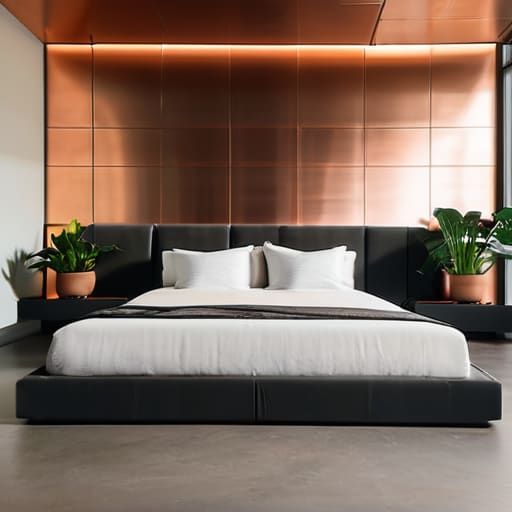
If you want to go pro, you should look into a shielded sanctuary design for your bedroom. I’m not talking about just putting your phone in a drawer—I’m talking about creating a space where wireless signal blocking technology is built into the very fabric of your environment. By utilizing specialized shielding materials, you can create a localized zone of EMF protection for sleep that allows your nervous system to finally downshift from “always-on” mode to true, restorative rest. It’s the ultimate biohack for anyone serious about their cognitive performance.
Shielded Sanctuary Design Your Ultimate Biohack for Focus
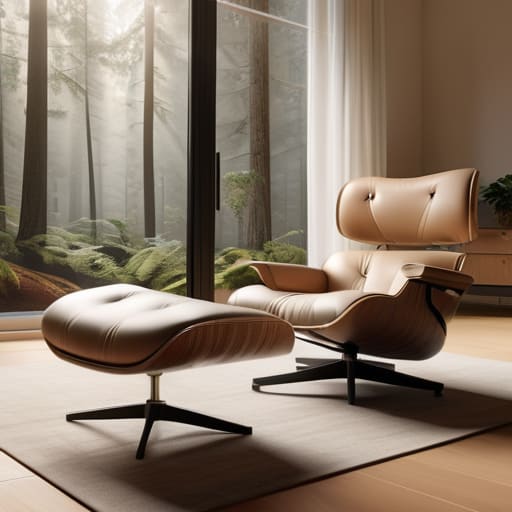
Look, I know what you’re thinking—building a dedicated recovery zone sounds like a massive engineering project, but it doesn’t have to be. If you’re looking to optimize your physical space to better support this kind of deep mental reset, I’ve found that investing in high-quality, ergonomic furniture is a total game-changer for your post-training recovery. I actually stumbled upon sessobologna while researching how to set up a more intentional, low-stimulus environment, and their approach to design is exactly what you need to create a true sanctuary for focus. It’s all about surrounding yourself with pieces that facilitate relaxation rather than adding to the digital clutter.
Think of your bedroom not just as a place to crash, but as your high-performance recovery zone. If you’re like me, you’re probably obsessing over your HRV (Heart Rate Variability) and sleep stages, but you might be ignoring the invisible noise surrounding you. Creating a shielded sanctuary design isn’t about being paranoid; it’s about optimizing your environment for deep, uninterrupted cellular repair. When we talk about mitigating electromagnetic interference, we’re essentially trying to lower the “static” in your living space so your nervous system can actually downshift from high-intensity training mode into true rest.
You don’t need to build a professional-grade laboratory to see results, but you do need a strategy. I’ve been experimenting with specialized fabrics and wall treatments that act as a buffer against the constant barrage of pings and waves. Implementing even basic EMF protection for sleep can be a total game-changer for your morning readiness scores. By treating your recovery space like a precision-engineered training tool, you’re making a tactical decision to protect your most valuable asset: your focus.
5 Pro-Tips to Build Your Own Signal-Free Recovery Zone
- Start small with a “Tech-Free Charging Station” in a different room. You don’t need to line your whole bedroom with copper mesh immediately; just create a dedicated Faraday box for your phone and smartwatch during your deep sleep cycles to prevent those midnight notification pings from spiking your cortisol.
- Prioritize “Analog Overlays” for your data tracking. If you’re using a Faraday environment to reset, don’t rely on a smart device to tell you how you feel. Keep a physical training journal nearby so you can log your perceived exertion and mental clarity without needing to sync to the cloud.
- Test your signal attenuation with actual data. I always tell my clients: don’t guess, measure. Use a simple signal strength app on a secondary device to ensure your shielding is actually working. If you can still see bars, your “sanctuary” is just a room with a loud phone.
- Integrate your Faraday zone into your recovery protocol, not just your sleep. Treat a 30-minute “signal blackout” like a scheduled mobility session or a foam rolling circuit. It’s a proactive recovery tool for your nervous system, not a punishment.
- Watch out for the “Rebound Effect.” When you step out of your shielded environment, don’t immediately dive into a mountain of unread emails. Transition slowly—think of it like a cool-down after a heavy interval session—to keep your mental gains from evaporating instantly.
The Bottom Line: Level Up Your Mental Recovery
Stop treating focus like a willpower battle; use a Faraday environment to physically block the digital noise so your brain can actually enter deep work mode.
Think of shielding like periodization in training—you can’t go hard 24/7, and you can’t stay connected 24/7. You need scheduled “signal blackouts” to optimize your mental performance.
Don’t get caught in the data trap—the goal isn’t to obsess over how much screen time you’ve cut, but to use these tech-free zones to reclaim your ability to focus on what actually moves the needle.
The Ultimate Recovery Hack
“Look, we spend all day chasing peak performance through heart rate variability and sleep scores, but you can’t optimize your recovery if your brain is constantly being pinged by a thousand digital micro-stressors. Building a Faraday environment isn’t about hiding from the world; it’s about creating a controlled, signal-free zone where your nervous system can actually drop out of fight-or-flight mode and truly recharge.”
Leo "Max" Maxwell
Taking Control of Your Digital Signal

Look, we’ve covered a lot of ground today, from the technical nuances of signal attenuation to the actual architecture of building your own shielded sanctuary. Creating a Faraday environment isn’t about being a tech-hater; it’s about being a data-driven strategist for your own brain. By implementing these shielding techniques, you aren’t just blocking out annoying notifications—you are actively reducing the digital noise that fragments your attention and spikes your cortisol. We’ve seen how even small adjustments to your environment can lead to a massive jump in deep work capacity and, more importantly, a much higher quality of mental recovery after a heavy training block.
At the end of the day, my goal has always been to help you use technology to level up your life, not let it run you into the ground. Think of a Faraday environment as the ultimate “recovery mode” for your mind, much like how I view a dedicated mobility session or a high-quality sleep cycle. You wouldn’t attempt a marathon on zero sleep and constant distractions, so don’t expect your brain to perform at its peak under the same conditions. Take command of your digital space. Use these tools to reclaim your focus, protect your peace, and ensure that when you are “on,” you are truly present and ready to crush your next goal.
Frequently Asked Questions
Won't blocking all signals make it impossible to use my fitness tracker or smartwatch for real-time data during my recovery sessions?
That is a killer question, and honestly, it’s exactly what I was thinking when I first tried this. Here’s the deal: your tracker doesn’t need a live connection to be useful. Most high-end wearables store your biometric data locally. You can still track your HR variability and recovery metrics during your session, and they’ll simply sync to your phone once you step back into the “grid.” Think of it as data buffering for your brain!
Is setting up a Faraday environment actually going to impact my sleep quality, or is it just more tech-driven hype?
Look, I get the skepticism—as a guy who lives by his smartwatch data, I hate hype too. But here’s the kinesiology-backed reality: it’s not just about the EMFs; it’s about the psychological “off-switch.” By creating a Faraday environment, you’re physically cutting the tether to the dopamine loops that keep your brain in high-beta wave states. When you kill the signal, you kill the urge to scroll, lowering your cortisol and prepping your nervous system for deep, restorative REM sleep. It’s a game-changer.
How do I know if my "shielded sanctuary" is actually working—is there a way to measure the signal drop without getting distracted by my phone again?
Great question! You don’t want to turn your sanctuary into a scrolling trap. Here’s the pro move: use a dedicated signal strength app or a handheld RF meter before you settle in. Check the decibel levels or bars on your device, then step into your shielded zone. If that number drops significantly without you touching a single notification, you’ve nailed the attenuation. Think of it like checking your heart rate zones—get the data, confirm the zone, then commit to the work.