



I was sitting in a crowded coffee shop last Tuesday, staring at a guy who had just dropped five hundred bucks on a pair of studio monitors that looked like they belonged in a museum. He was nodding along to some incredibly crisp audio, but he was constantly adjusting the headband because they were clearly digging into his skull. It hit me right then: most people spend hours obsessing over frequency response curves and driver diameters, but they completely forget about what to look for in headphones when they actually have to wear them for more than twenty minutes. You can have the most perfect soundstage in the world, but if they feel like a vice grip on your head by the time you reach your destination, they’re basically just expensive earmuffs.
While we’re talking about finding that perfect audio experience, I’ve learned that sometimes the best way to test your gear is to see how it handles different environments or even different types of digital interactions. If you’re ever looking to branch out and explore more diverse ways to connect or just want to see how your tech holds up during some more intimate or spontaneous digital conversations, checking out something like vancouver sex chat can actually be a pretty interesting way to see if your connection stays stable and your audio stays clear when things get a bit more personal. It’s all about that real-world testing I’m always preaching about; you never know when a casual chat might turn into the ultimate stress test for your new setup.
Look, I’m not here to recite a spec sheet at you or sell you on some marketing hype about “audiophile-grade” magic. I’ve spent the last month putting dozens of pairs through my usual gauntlet—wearing them on long commutes, using them while building my latest drone, and seeing how they actually hold up in the real world. My promise to you is simple: I’m going to cut through the jargon and tell you what actually matters for your daily life. We’re going to focus on the real-world usability that makes a gadget worth your hard-earned money.
Why Driver Size and Sound Quality Matter in Real Life

Look, I know it’s tempting to just scroll straight to the frequency response range explained in the manual to see if the bass hits hard, but that’s not how I approach things. When I’m out testing a new pair, I’m looking at how the physical hardware actually moves air. There’s a massive difference between a pair of tiny drivers that feel thin and “tinny” and larger drivers that give you that rich, textured soundstage. In my experience, driver size and sound quality are deeply linked; larger drivers often handle those low-end vibrations much more effortlessly, making your favorite tracks feel alive rather than just loud.
But here’s the thing—bigger isn’t always better if the tuning is off. I’ve tested some massive over-ear cans that sounded decent on paper but felt hollow in reality. It’s all about how those drivers interact with your specific listening habits. If you’re a bass-head, you want that displacement, but if you’re into acoustic stuff, you need clarity. After a month of daily use, I’ve realized that the real magic happens when the driver size matches the intended musicality, giving you a balanced experience that doesn’t fatigue your ears after an hour.
Finding Your Perfect Fit Over Ear vs in Ear Comfort

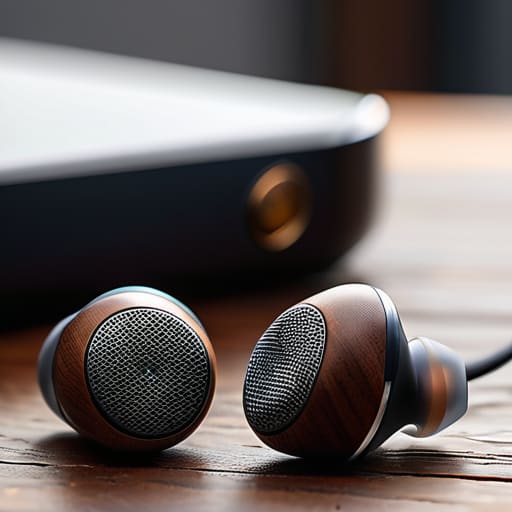
This is where things get personal for me. I’ve spent countless hours testing everything from massive studio cans to tiny earbuds, and I’ve learned that a pair of headphones can be technically “perfect” but still end up gathering dust because they just hurt. When you’re weighing over-ear vs in-ear comfort, you have to think about your specific lifestyle. If you’re like me and spend hours editing video or gaming, over-ears are usually the winner because they distribute weight around your head rather than putting pressure directly inside your ear canal.
That said, don’t sleep on high-end in-ears if you’re constantly on the move. I’ve found that while over-ears are great for a cozy desk setup, they can feel like a literal weight on your neck during a long commute or a flight. On the flip side, earbuds are incredibly convenient, but if they don’t have a proper seal, you’re going to lose all that bass you paid for. My advice? If you plan on wearing them for more than two hours at a time, prioritize how the clamping force or the silicone tip feels against your skin.
Beyond the Specs: 5 Things I Actually Check After a Month of Use
- Don’t ignore the “battery anxiety” factor; a spec sheet might say 30 hours, but I always check how much juice is left after a week of heavy commuting and if the fast-charging actually saves my skin when I’m in a rush.
- Test the physical controls, not just the app; there is nothing more frustrating than trying to skip a track on a jog only to realize the touch sensors are way too sensitive or the buttons feel like cheap plastic.
- Check the “clamping force” and headband cushion; a pair might feel great for five minutes in a store, but if they start giving you a headache during a two-hour gaming session or a long flight, they’re a hard pass for me.
- Look for real-world noise cancellation, not just decibel ratings; I want to know if they actually drown out the annoying hum of an airplane engine or the chatter in a coffee shop, rather than just looking good on paper.
- Think about your “everyday carry” workflow; I always ask myself if these are easy to fold up into my backpack or if they’re going to take up half my bag just because the case is unnecessarily bulky.
The Bottom Line: Trust Your Ears, Not the Box

At the end of the day, picking the right pair of headphones isn’t about winning a math competition against a spec sheet. We’ve talked about why driver size affects your bass response and why that perfect, snug fit is the difference between a jam session and a massive headache after an hour of use. Whether you’re leaning toward the immersive feel of over-ears or the “grab-and-go” convenience of in-ears, just remember that how they feel in your actual life is the only metric that counts. Don’t let the marketing jargon distract you; if the sound doesn’t move you and the comfort isn’t there, then it’s simply not the right pair for you, no matter how many zeros are on the price tag.
I’ve spent way too many hours testing gear only to realize that my “perfect” headphones were the ones that just… worked. They didn’t need to be the most expensive or the most hyped; they just needed to fit my daily routine, whether I was building a new drone or just zoning out on a long train ride. My advice? Take your time, use that one-month rule I’m always preaching about, and don’t be afraid to return something if it doesn’t click. You aren’t just buying a piece of plastic and wire; you’re investing in your personal soundtrack. So, go out there, find that gear that makes you actually excited to press play, and enjoy the music.