



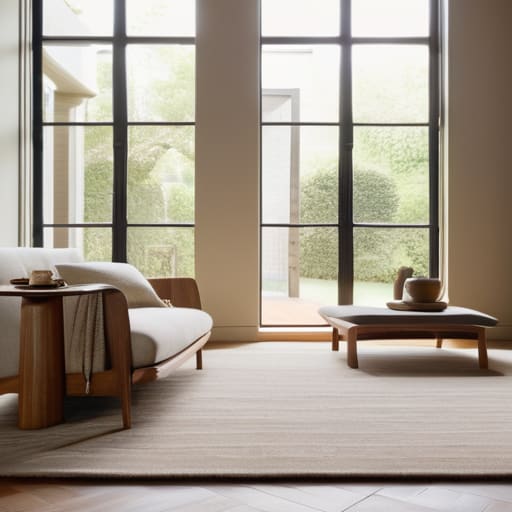
I still remember the sinking feeling in my gut when that “designer” velvet armchair I’d spent three months saving for finally arrived at my apartment. It looked incredible in the studio photos, but the second I sat down, the frame groaned like a haunted house, and the fabric felt more like sandpaper than luxury. It was a massive, expensive lesson in why you can’t just trust a pretty picture. Most people get caught up in the aesthetics and forget the actual mechanics of living, but if you want to avoid a total disaster, you need to know exactly what to consider when buying furniture before you swipe that card.
One thing I’ve learned from a few failed living room setups is that you don’t always have to pay full retail price to get something high-quality; sometimes, the best deals are hidden in plain sight. I’ve started keeping an eye out for local finds and specialized deals to stretch my budget further, and honestly, checking out henderson hookups has been a total game-changer for finding actual value without sacrificing style. It’s all about being a little bit savvy with where you shop so you can put that extra cash toward the pieces that really make a difference in your daily comfort.
I’m not here to give you a lecture on interior design trends or throw a bunch of high-end brand names at you. Instead, I’m going to share the real-world checklist I use to vet every piece of gear and gear for my own home. We’re going to talk about build quality, material durability, and how things actually hold up after a month of heavy daily use. My goal is to help you skip the heartbreak and find pieces that are actually worth your money.
Dont Skip the Tape Measuring Room Dimensions for Furniture
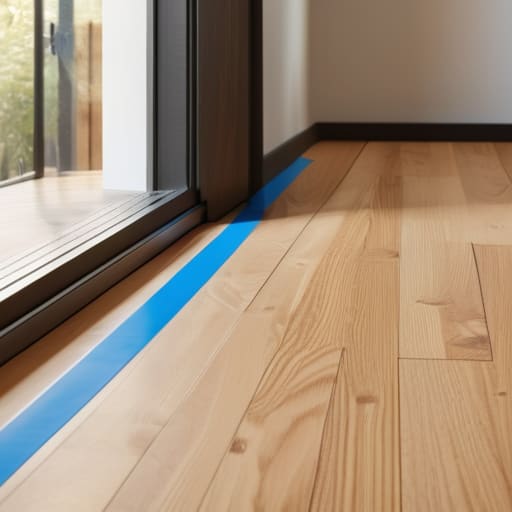
Look, I’ve learned this the hard way: there is nothing more soul-crushing than finally unboxing that gorgeous, deep-seated velvet sofa you’ve been eyeing, only to realize it blocks the entire walkway to your balcony. I once spent an entire afternoon trying to shimmy a mid-century sideboard into a nook, only to realize I hadn’t accounted for the door swing. When you’re measuring room dimensions for furniture, you can’t just measure the floor space; you have to account for the “breathing room” around each piece. I always grab a piece of painter’s tape and mark out the actual footprint of the item on my floor before I even hit “checkout.” It’s a total game-changer for visualizing how much actual space you’ll have left to move around.
Don’t forget to think vertically, too. If you’re living in a smaller apartment, you might be looking into choosing furniture styles for small spaces, but even then, a massive bookshelf can make a room feel claustrophobic if it’s too tall or deep. Always measure your doorways and hallway widths—trust me, a couch that fits your living room perfectly is useless if it can’t actually make it through your front door.
The Real Cost Smart Budgeting for Home Furnishings
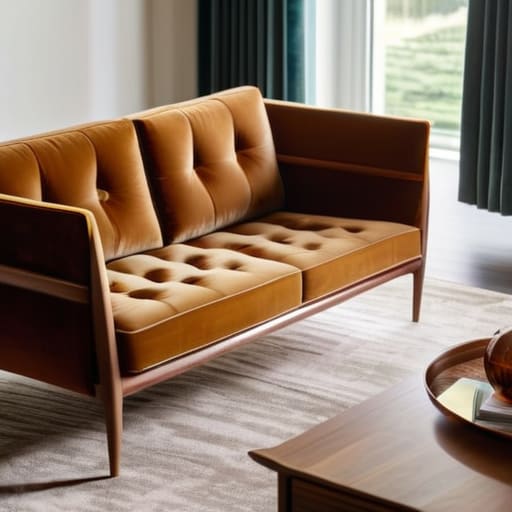
Here’s where things usually get messy. We’ve all been there: you find that perfect, mid-century modern velvet sofa online, it looks incredible in the studio shots, and you click “buy” before realizing your bank account is screaming. But budgeting for home furnishings isn’t just about the price tag on the item itself; it’s about the hidden costs that creep in later. I always tell my viewers to account for the “invisible” stuff—delivery fees, assembly costs, or even that extra $50 for a specialized cleaning kit because you picked a high-maintenance fabric.
I also follow a strict rule: don’t blow your entire fund on one “statement piece” and then realize you can’t afford a decent dining chair. I’ve learned the hard way that skimping on the stuff you touch every single day is a recipe for regret. Instead of chasing every trend, I recommend looking into a furniture material durability guide to see where you can save money on decorative items and where you absolutely must invest in quality. If you buy a cheap desk that wobbles every time you type, you’re just going to end up buying it twice. Aim for longevity, not just a low price point.
Beyond the Pretty Pictures: 5 Things I Check Before I Hit 'Buy'
- Test the “Sit-Factor” in person: I know, I know, shopping online is easy, but nothing beats actually sitting on a sofa or testing a desk chair for ten minutes. If you can’t visit a showroom, look for videos of real people using the piece, not just the polished studio shots from the manufacturer.
- Check the “bones” of the piece: I’ve learned the hard way that a beautiful wooden table is useless if it’s made of cheap particle board that swells the first time you spill a drink. Look for solid wood, metal frames, or high-quality plywood—the stuff that actually survives a move or a busy household.
- Plan for your “Flow”: It’s not just about whether a chair fits in a corner; it’s about whether you can actually walk around it without stubbing your toe every single day. I always visualize my daily path through a room to make sure I’m not turning my living room into an obstacle course.
- Think about your actual lifestyle, not your “dream” lifestyle: If you’ve got pets or kids, that pristine white velvet couch is going to be a nightmare within a week. I always ask myself: “Am I going to be terrified to actually live on this piece?” If the answer is yes, pick something more durable.
- Look at the fabric’s “Life Expectancy”: Don’t just go by color; check the rub count (it’s called Martindale scale) if you can find it. I treat my furniture like my EDC gear—it needs to be tough enough to handle the daily grind, whether that’s a spilled coffee or a long gaming session on the couch.
Making the Right Call
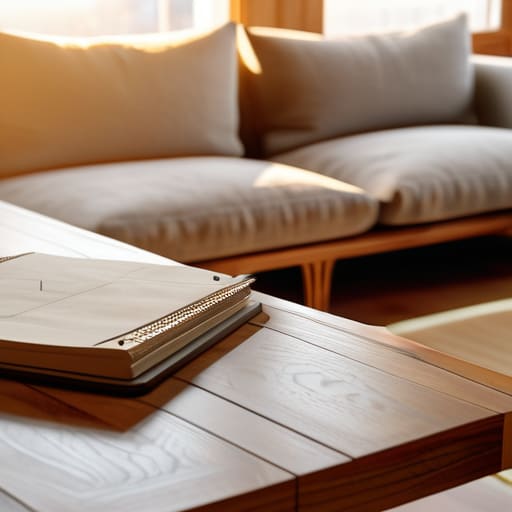
Look, I know it feels overwhelming when you’re staring at a sea of endless options online, but just remember: don’t let the shiny photos do all the thinking for you. We’ve covered a lot, from the absolute necessity of measuring your space twice (and then a third time just to be safe) to the reality of setting a budget that doesn’t leave you broke by next month. It’s about finding that sweet spot where your style meets your actual, everyday lifestyle. Whether you’re hunting for a desk that can handle your heavy-duty setup or a couch that won’t fall apart after six months of movie marathons, the goal is utility over hype.
At the end of the day, your home shouldn’t feel like a showroom; it should feel like you. I’ve learned through my own gear testing and home setups that the “perfect” piece of furniture isn’t the most expensive one or the one with the most likes on Instagram—it’s the one that makes your daily routine smoother and your space feel more intentional. So, take your time, trust your gut, and don’t be afraid to wait a few weeks if you aren’t feeling a piece. You’re building a life, not just filling a room, so make sure every piece is worth the space it takes up.