



I still remember the stinging, throbbing ache in my arches after my first half-marathon attempt—all because I thought a pair of neon-colored, top-of-the-line trainers would magically fix my form. I fell for the hype, thinking the most expensive model on the shelf was the “best,” only to realize I’d made one of the most common mistakes when buying running shoes: ignoring how my actual foot mechanics worked in favor of a flashy brand name. It was a painful, expensive lesson, and honestly, it’s a mistake I see even the most seasoned runners make when they get caught up in the marketing noise.
Look, I’m not here to give you a lecture based on a textbook or a spec sheet. I’ve spent years putting gear through my “one-month test” to see what actually survives the daily grind, and I want to save you from the same blisters and wasted cash that I endured. In this post, I’m laying out the real-world blunders I’ve seen—and made—so you can find a pair that actually feels right after mile five, not just while you’re standing in the store.
Why Your Feet Need a Proper Running Shoe Fit Guide
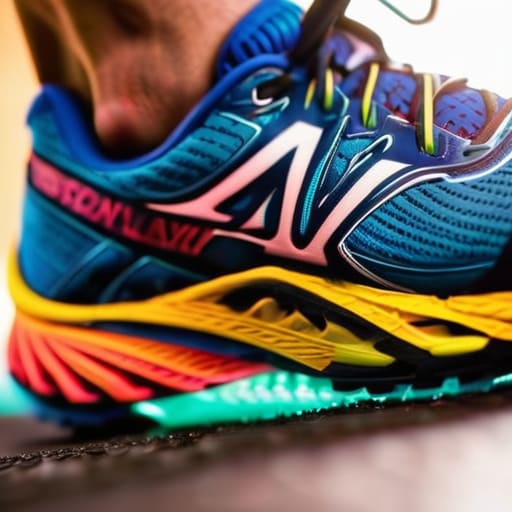
Look, I’ve been there—standing in the middle of a running store, staring at a wall of neon-colored sneakers, thinking, “How different can these actually be?” But here’s the reality I learned the hard way after a nasty bout of shin splints: your feet aren’t just feet; they’re complex biological machines. If you aren’t following a proper running shoe fit guide, you’re basically gambling with your mobility. It’s not just about picking a color you like; it’s about understanding how your specific mechanics interact with the foam and fabric.
When we talk about the impact of wrong footwear on injury prevention, we’re talking about the difference between a fun morning jog and three weeks on the couch with an ice pack. A shoe that looks amazing on paper might be a disaster for your specific arch or strike pattern. Whether you’re debating running shoe cushioning vs stability, getting that balance wrong can lead to everything from blisters to stress fractures. I want you to love your runs, and that starts with making sure your gear actually supports your body instead of fighting against it.
The Truth About Running Shoe Cushioning vs Stability

Here’s where most people trip up—and I’m definitely guilty of this one. You walk into a store, see a pair of shoes that look incredibly plush and “cloud-like,” and you think, “Yeah, those are the ones.” But there is a massive difference between running shoe cushioning vs stability, and choosing the wrong one can turn your morning jog into a literal pain in the neck (or ankles, or knees). Cushioning is all about that soft, bouncy feel that absorbs shock, which is great if you’re a heavier runner or hitting concrete every day. However, if your feet naturally roll inward—what we call overpronation—all that extra softness can actually make you less stable.
This is exactly why I’m such a huge advocate for choosing shoes based on gait analysis rather than just how they look on the shelf. If you need stability to keep your stride neutral, but you buy a super-cushioned neutral shoe, you’re essentially asking for trouble. I’ve seen way too many guys blow out their arches because they prioritized “squish” over actual structural support. It’s not just about comfort in the moment; it’s about how your body feels three miles in and, more importantly, how you feel the next morning.
5 Rookie Mistakes That'll Leave Your Feet Screaming
- Stop buying for looks. I know, I know—those neon-colored trainers look killer in photos, but if they don’t match your gait, they’re just expensive paperweights. Don’t let a cool colorway trick you into ignoring how the shoe actually supports your stride.
- Don’t shop for shoes in the morning. This one used to trip me up all the time, but your feet actually swell throughout the day, especially when you’re active. If you buy them first thing in the morning, they’ll likely feel way too tight by mile three of your afternoon run.
- Forget the “standard” size. Most people think they’re a size 10 and call it a day, but running shoes almost always need about a thumb’s width of space in the toe box. Your feet slide forward when you hit those hills, and if you don’t have that extra room, say goodbye to bruised toenails.
- Avoid the “break-in” myth. If a shoe feels uncomfortable or pinches right out of the box, do not—I repeat, do not—think you can just “break them in.” Real running shoes should feel great immediately; if they hurt in the store, they’re going to cause real injuries on the pavement.
- Don’t ignore your old shoes. Before you head to the store, look at the tread on the pair you’re currently wearing. Are they worn down on the inside or the outside? That’s a massive clue about your pronation, and it’ll tell you way more about what you actually need than any salesperson can.
The Bottom Line

At the end of the day, buying running shoes shouldn’t feel like a math equation or a guessing game based on what a pro athlete wears. We’ve covered a lot, from why that perfect fit is non-negotiable to the massive difference between chasing soft cushioning and actually needing stability for your gait. If you take nothing else away from this, remember that your feet are the only equipment that truly matters. Don’t let a flashy colorway or a massive discount trick you into buying a shoe that’s going to leave you sidelined with shin splints or blisters two weeks into your training. Stick to the rule: prioritize how they feel during a real-world test over how they look in the box.
I know it can be overwhelming with all the tech and jargon out there, but I promise you, once you find that “holy grail” pair that actually works with your body, everything changes. Running stops being a chore and starts being the best part of your day. So, take your time, go to a real shop if you can, and don’t be afraid to ask questions. You’re investing in your health and your happiness, not just a piece of foam and fabric. Now, get out there, find your perfect match, and enjoy every single mile.
Now, I know what you’re thinking—all this talk about arch support and gait analysis sounds pretty heavy when you just want to hit the pavement. But honestly, if you’re feeling totally lost in the sea of technical jargon, I’ve found that checking out some local, specialized resources can be a total game-changer. Sometimes, getting a bit of extra guidance from a community that actually understands the nuances of your specific needs—much like how you might seek out casual sex edmonton for a different kind of real-world connection—can help you cut through the noise. It’s all about finding that reliable source of information so you don’t end up with a pair of expensive paperweights that leave your knees aching after just two miles.