


Have you ever walked into a room that looked absolutely stunning on Pinterest, only to feel strangely anxious or “off” the second you stepped inside? It’s frustrating because you’ve bought the right rug, the perfect sofa, and the expensive art, but something is fundamentally broken. Most people think they need a massive renovation to fix a vibe, but they’re missing the most powerful tool in their arsenal: understanding how lighting changes how a room feels. You don’t need a designer’s budget to stop that harsh, overhead “interrogation” glow from killing your mood; you just need to stop treating your lights like simple on/off switches and start treating them like the emotional architecture of your home.
I’m not here to sell you on some overpriced, proprietary lighting system that requires five different apps just to dim a bulb. Instead, I want to show you how to use smart automation and layered lighting to create a home that actually responds to your life. We’re going to dive into the practical, no-nonsense ways to transition your space from high-energy morning sunlight to that perfect, warm evening cocoon, ensuring your environment always matches your headspace.
The Psychology of Light How Color Temperature Shapes Your Mood
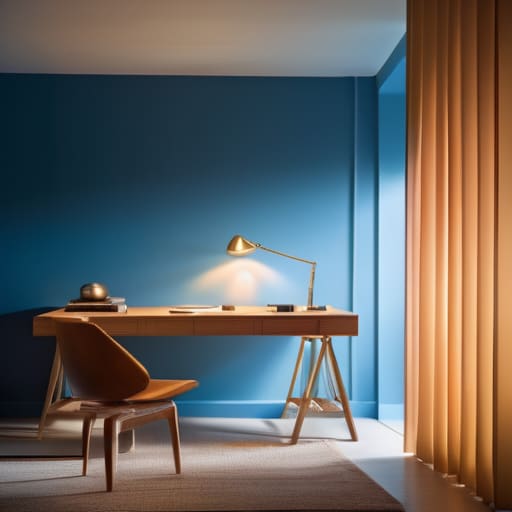
Think about that feeling when you walk into a bright, sterile office versus a cozy, candlelit coffee shop. That shift isn’t just in your head; it’s biology. When we talk about the impact of color temperature on mood, we’re really talking about how our brains interpret light to prepare us for the day. High-Kelvin, “cool” light mimics the midday sun, which suppresses melatonin and keeps you sharp—perfect for your home office when you’re crushing a deadline. But if you leave those blue-toned lights running at 8:00 PM, you’re basically telling your brain it’s high noon, making it nearly impossible to wind down.
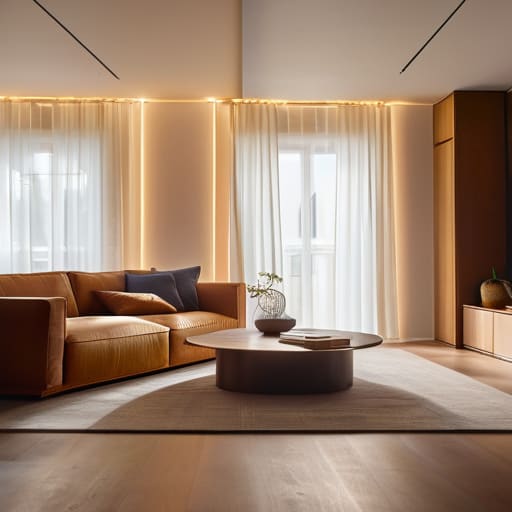
On the flip side, embracing warm vs cool light temperature shifts allows you to signal to your body that it’s time to relax. I love setting my living room bulbs to a soft, amber glow as the sun sets. It creates this instant sense of sanctuary that no amount of throw pillows can achieve. By automating this transition, you aren’t just changing a setting; you’re using light to physically guide your nervous system from “go mode” into “rest mode.”
Mastering Warm vs Cool Light Temperature for Instant Comfort
Once you understand the science, the real fun begins: actually applying it to your space. I used to make the mistake of installing high-lumen, “daylight” bulbs everywhere because I thought more light meant more energy. But I quickly learned that a room filled with harsh, blue-toned light feels more like a sterile doctor’s office than a sanctuary. When you’re navigating the debate of warm vs cool light temperature, think of it as a tool for biological signaling. Cool, crisp light is your best friend during those morning coffee sessions or when you’re deep in a work project, as it helps keep you alert and focused.
However, as the sun dips, your home needs to transition. This is where layering light in interior design becomes a total game-changer. Instead of relying on one big overhead light, I love using a mix of dimmable floor lamps and accent lighting. By slowly shifting your smart bulbs from a bright 5000K to a soft, amber 2700K, you’re essentially telling your brain it’s time to wind down. It’s all about creating that seamless flow so your environment evolves alongside your circadian rhythm.
5 Pro Tips to Stop Using "One-Size-Fits-All" Lighting
- Layer your light like you layer your clothes; instead of relying on that single, harsh overhead fixture, mix ambient, task, and accent lighting so you can dial the intensity up or down depending on what you’re actually doing in the room.
- Ditch the “all-on” approach and embrace dimmers; being able to drop your light levels to 20% in the evening is the easiest way to tell your brain it’s time to wind down without having to manually flip a dozen switches.
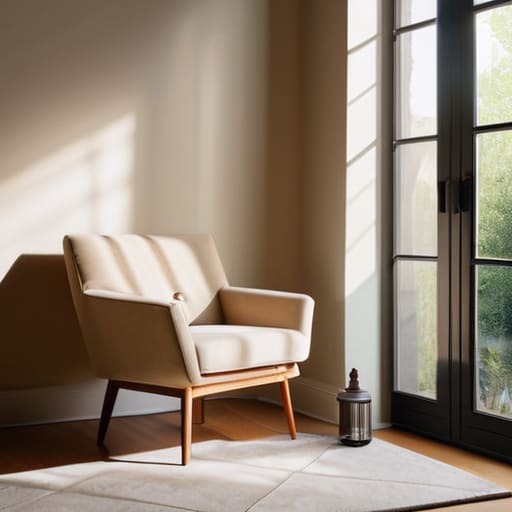
- Use “smart” zones to group your lights by activity rather than by room; I love having a “Reading Mode” that hits my armchair lamp and floor light perfectly, even if they’re technically in the same open-concept space.
- Don’t forget the power of shadows; a room that’s perfectly, evenly lit can feel clinical and flat, so use some directional lighting to create depth and those cozy, tucked-away corners that make a house feel like a home.
- Automate your transitions so the mood shifts with you; set your lights to slowly transition from a crisp, energizing daylight at 8:00 AM to a soft, amber glow by sunset so the atmosphere evolves naturally throughout the day.
From Lightbulbs to Living Experiences
At the end of the day, mastering your home’s atmosphere isn’t about buying the most expensive smart bulbs on the market; it’s about understanding how light interacts with your biology and your daily rhythm. We’ve talked about how color temperature can flip a room from a high-energy workspace to a sanctuary for relaxation, and how the right layering of light prevents that dreaded “hospital glare.” When you stop treating your lights like simple on/off switches and start seeing them as dynamic tools for mood management, you unlock a whole new level of comfort. Remember, the goal is to move away from static lighting and toward a home that actually adapts to you as the sun goes down.
I know that diving into automations and color Kelvin scales can feel a little intimidating at first, but I promise you, the payoff is so worth it. Start small—maybe just one smart bulb in your bedside lamp or a dimmable setup in the living room—and just feel the difference it makes in your evening wind-down. You aren’t just decorating a room; you are designing an experience that supports your well-being. So, go ahead, play with those settings, experiment with the warmth, and build a home that feels exactly how you want it to. Happy automating!
Once you’ve got a handle on those color temperatures, the next step is thinking about where that light actually lands in your space. I used to make the mistake of just throwing a smart bulb in a ceiling fixture and calling it a day, but that usually ends up feeling way too harsh and clinical. To really nail that layered look, I love pulling inspiration from designers who understand how to blend functional lighting with natural elements. If you’re feeling a bit stuck on how to style your space to complement your new tech, I’ve been spending a lot of time browsing CasualFlorida for ideas; they have some incredible design inspiration that helps you visualize how different textures and light placements can turn a sterile room into a lived-in sanctuary. It’s all about creating that seamless flow between your tech and your decor so the automation feels like a natural part of the home, not an afterthought.