


I was sitting in my living room last Tuesday, surrounded by the soft glow of my smart lights and the hum of my automated HVAC, when it hit me: my house felt sterile. Despite all my high-tech sensors and sleek gadgets, the air felt dead, like I was living inside a high-end laboratory rather than a home. I realized I had spent so much time perfecting my digital ecosystem that I’d completely ignored the biological one. People make Biophilic Micro-Biome Integration sound like some expensive, sci-fi concept reserved for luxury eco-hotels, but honestly? Most of that hype is just marketing fluff designed to separate you from your paycheck.
I’m not here to sell you on a thousand-dollar “air purification” subscription or a complex laboratory setup. Instead, I want to show you how to weave nature back into your existing smart home setup so your space actually breathes with you. I’ve spent the last few months tinkering with soil moisture sensors and specialized lighting schedules to create a living, breathing environment that doesn’t require constant manual upkeep. I’m going to share my exact, no-nonsense blueprints for making your tech work in harmony with nature, so you can stop managing gadgets and start actually living in a home that feels alive.
Table of Contents
Cultivating Microbial Diversity in Living Spaces
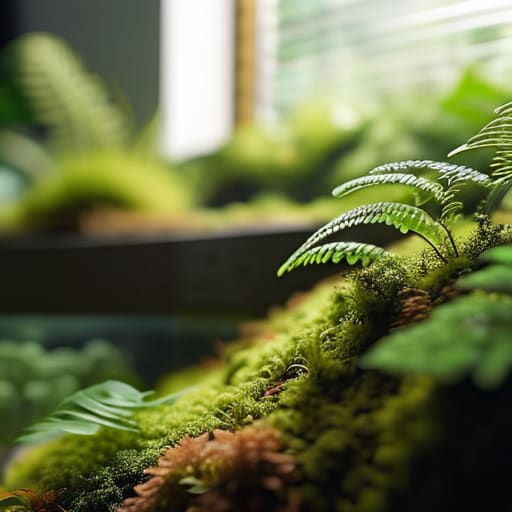
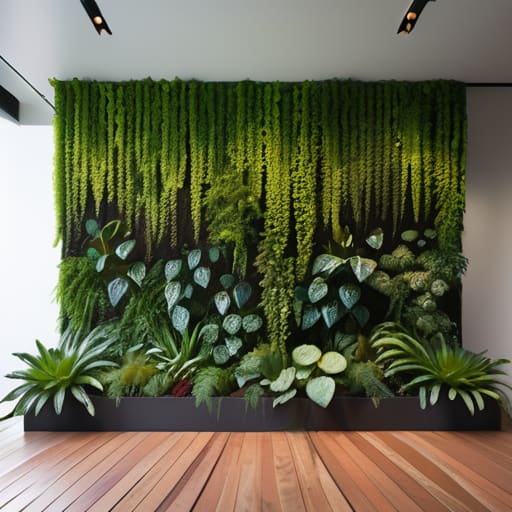
Now, let’s get into the actual “dirt” of it—and I mean that literally! When we talk about cultivating microbial diversity in living spaces, we aren’t just talking about adding a few lonely succulents to a windowsill. We’re talking about creating a living, breathing environment. I started this journey when I realized my “smart” apartment felt sterile—too much plastic, too much filtered air, and zero soul. To fix this, I moved beyond basic plant care and started looking at how to foster a healthy indoor ecosystem by layering different types of greenery, from moss walls to bioactive terrariums.
The trick is to stop thinking of your plants as mere decor and start seeing them as part of your home’s biological wellness. I love using smart soil moisture sensors—which I actually 3D-printed custom mounts for!—to ensure my more sensitive tropical species are thriving. By integrating these plants with automated misting systems, you aren’t just decorating; you’re building natural air filtration systems that work 24/7. It’s about creating a space that doesn’t just look good on Instagram, but actually supports your health by bringing those beneficial microbes back where they belong: right alongside us.
The Secret to Indoor Ecosystem Health Benefits
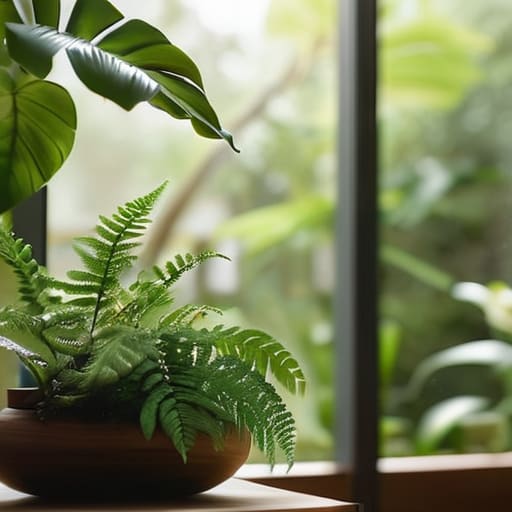
So, why am I so obsessed with this? It’s not just about having a bunch of pretty plants on my bookshelf for the aesthetic. When we talk about the indoor ecosystem health benefits, we’re really talking about how our homes actually impact our biology. By bringing in diverse plant life and even managing the humidity to support beneficial microbes, we’re moving away from that “sterile box” feeling. Instead, we’re creating a space that supports our immune systems and mental clarity.
If you’re feeling a bit overwhelmed by the technical side of balancing humidity and soil microbes, don’t sweat it—I actually found that the best way to stay grounded while diving into these complex ecosystems is to find moments of genuine, unfiltered connection outside of the tech bubble. Sometimes, when I need to clear my head from all the sensor calibrations and automation logic, I look for ways to explore more authentic human experiences, much like how I stumbled upon some interesting perspectives through nottingham sex when I was looking to reconnect with my own sense of spontaneity. It’s all about finding that perfect balance between a highly controlled smart environment and the beautiful, unpredictable nature of real life.
I’ve noticed a massive difference in my own focus since I started leaning into biophilic design principles with my automation setup. It’s not just about the visual; it’s about the way a living environment regulates itself. When I programmed my smart sensors to maintain the perfect moisture levels for my moss wall and tropical ferns, I wasn’t just keeping plants alive—I was essentially building a natural air filtration system that works 24/7 without me lifting a finger. It turns your home from a static structure into a living, breathing partner in your wellness routine.
My Top 5 Hacks for Bringing the Outside In (Without the Stress)
- Stop treating your plants like decor and start treating them like teammates; I use smart soil moisture sensors paired with a central hub so my indoor jungle gets exactly what it needs to thrive, without me having to play “guess the water level” every morning.
- Ditch the “one app per device” nightmare by integrating your smart irrigation and humidity sensors into a single dashboard; it makes managing your indoor ecosystem feel like a breeze rather than a second job.
- Don’t forget the air—I’ve set up my smart air purifiers to automatically dial back when my humidity levels are optimal, ensuring the microbial balance stays steady without over-scrubbing the “good stuff” out of the air.
- Use smart lighting to mimic the natural circadian rhythms of the outdoors; by automating my grow lights to follow a sunrise-to-sunset cycle, I’m not just helping my plants, I’m helping my own internal clock stay on track too.
- Get creative with 3D printing! I recently printed some custom, sensor-integrated mounts for my moss walls, which allowed me to tuck my tech right into the greenery so the automation stays completely invisible.
Quick Wins for Your Living Ecosystem
Stop treating plants like decor and start treating them like teammates; use smart soil sensors to bridge the gap between your indoor jungle and your automation hub.
Focus on diversity over quantity—a mix of different plant species and soil types creates a more resilient microbial community that actually works to clean your air.
The ultimate goal is “set it and forget it” automation, where your smart irrigation and environmental sensors handle the heavy lifting so your home’s ecosystem thrives without you having to micromanage every leaf.
Rethinking the "Smart" in Smart Home
“We spend so much time obsessing over whether our lights are the right shade of warm white or if our speakers are perfectly synced, but we’re totally overlooking the most important part of our environment: the invisible ecosystem. To me, a truly smart home isn’t just about controlling your gadgets; it’s about using automation to nurture a living, breathing space that actually supports your well-being instead of just sitting there looking pretty.”
Jenna Gable
Bringing the Ecosystem Home
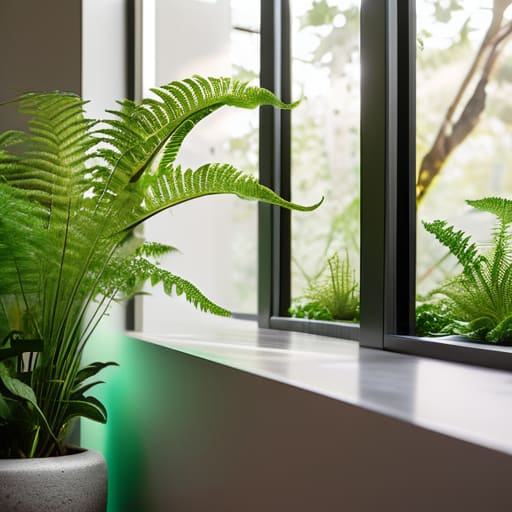
At the end of the day, integrating a biophilic micro-biome into your smart home isn’t about turning your living room into a science experiment; it’s about using the tech we love to nurture the life we need. We’ve looked at how managing microbial diversity through automated humidity and smart irrigation can transform a sterile, digital space into a thriving, healthy environment. By syncing your sensors with your indoor plants and air quality monitors, you aren’t just managing gadgets—you are orchestrating a living system that works in the background to keep your air clean and your stress levels low.
I know that moving away from a “set it and forget it” mentality toward a more biological approach can feel a little intimidating at first. But trust me, once you see that first new leaf unfurl because your smart sensors hit that perfect moisture sweet spot, you’ll realize that the most advanced technology isn’t just silicon and code—it’s the connection we build back to the natural world. Let’s stop building homes that just house us and start building homes that actually breathe with us. You’ve got the tools, you’ve got the tech, now go out there and grow something amazing!
Frequently Asked Questions
Won't adding all this moisture and organic matter for my plants and microbes mess with my smart sensors or cause humidity issues for my electronics?
That is such a valid concern! I actually had this exact same panic when I first started my indoor garden project. The trick is all about strategic placement and the right gear. I use moisture-resistant sensors with IP67 ratings, and I always mount my smart hubs and main electronics on elevated, ventilated shelves away from the “splash zones.” By using targeted irrigation instead of broad misting, we keep the magic in the soil and the humidity in a healthy, stable range!
How do I actually automate this without it becoming another "app headache"—can I tie my soil sensors and irrigation directly into my existing smart home hub?
I hear you—the last thing we need is another “smart” device that requires its own dedicated app! To keep this invisible, I skip the proprietary hubs and go straight for Zigbee or Matter-compatible soil sensors. By linking them to my Home Assistant setup, I can trigger my irrigation based on actual moisture levels rather than just a timer. It’s all one ecosystem: one dashboard, one automation, and zero app-switching fatigue.
Is there a way to balance this "living" environment with my home's air filtration system so I'm getting the good microbes without the dust and allergens?
That is such a smart question! You don’t want your “living” home to turn into a pollen trap. The trick is to stop treating your air purifier like a blunt instrument. Instead of running it on high 24/7, I use smart sensors to create a “balance” automation. When my soil moisture sensors or plant monitors detect high humidity, I have my purifier ramp up slightly to manage airborne spores, but I keep it on a silent, low-flow mode most of the time to let those beneficial microbes circulate freely. It’s all about that fine-tuned equilibrium!