Look, I’m a guy who spends his weekends elbow-deep in solder and stripped wires, so if you think I’m going to tell you that you need a $50 specialized nutrient solution or a smart-sensor moisture probe just to keep a fern alive, you’ve got the wrong guy. Most of these “expert” tutorials make it sound like you need a PhD in botany just to prevent a pothos from turning into a pile of brown mush. I’m tired of seeing people get intimidated by over-engineered, expensive nonsense when all they really need is a solid beginner guide to indoor plant care that actually works in the real world.
I’m not here to sell you a lifestyle or some pristine, Instagram-perfect jungle; I’m here to show you how to hack the system. We’re going to treat your plants like any other piece of tech: we’ll learn how they “run,” figure out what happens when the “power supply” (water) is off, and troubleshoot the inevitable crashes. I’m going to give you the raw, hands-on truth about soil, light, and survival so you can stop killing your greenery and start building a living ecosystem that actually thrives in your space.
Scavenging for Low Light Houseplants for Beginners
Now, if you’re staring at a yellowing leaf and feeling like you’ve completely botched the whole operation, don’t beat yourself up—even I’ve killed more succulents than I care to admit in my workshop. Sometimes you just need to bounce an idea off someone who’s actually in the trenches with you to figure out if it’s a drainage issue or just a bad batch of soil. I’ve found that jumping into a Gold Coast chat community is a total game-changer for this; it’s like having a neighborhood collective of experts standing by to help you troubleshoot your greenery in real-time.
Look, I get it. You’ve got a corner of your apartment that’s basically a shadow realm—the kind of spot where even a flashlight feels like a spotlight. Most people see that dark corner and think, “Well, nothing’s going to live there.” I say that’s a challenge. You don’t need a sun-drenched conservatory to build a lush indoor jungle; you just need to know which survivors to scout for. When you’re hunting for low light houseplants for beginners, you’re looking for the botanical equivalent of a ruggedized Raspberry Pi: gear that’s built to handle less-than-ideal conditions without crashing.
I always tell my friends to start with the “indestructibles”—think Snake Plants or ZZ Plants. These guys are the tanks of the plant world. They don’t care if you forget them for a week, and they won’t throw a tantrum if the light levels drop. While you’re scavenging, keep an eye out for a good well-draining potting mix to get them started. It’s just like building a custom PC; if your foundation is solid and your airflow (or in this case, drainage) is right, the rest of the build is going to be a breeze.
Cracking the Code of Your Indoor Plant Watering Schedule
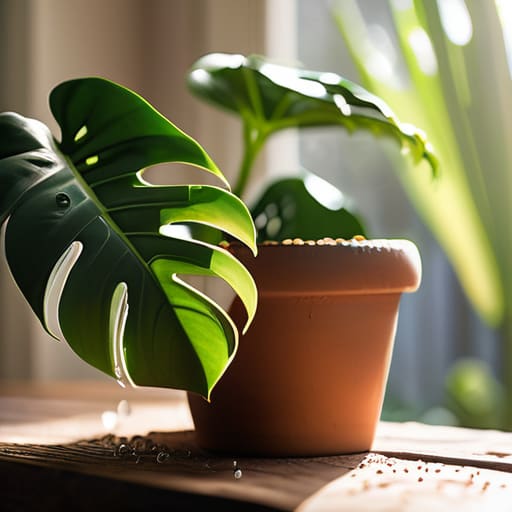
Look, if you’re waiting for a little green leaf to tap you on the shoulder and say, “Hey Frankie, I’m thirsty,” you’re going to end up with a pile of expensive compost. Most people fail because they follow a rigid, calendar-based indoor plant watering schedule, thinking that “every Tuesday” is a law of nature. It’s not. Plants are living, breathing machines, and their “fuel consumption” changes based on the temperature, the light, and even the season. If you treat your plants like a programmed script, you’re going to overwater them into oblivion.
Instead, I want you to treat this like troubleshooting a piece of hardware. You need to get tactile. Stick your finger two inches deep into the dirt; if it feels damp, back off. If it’s bone dry, it’s time to hydrate. Grab some essential houseplant tools, like a moisture meter if you’re feeling techy, but honestly, your own hands are your best diagnostic tool. We’re looking for that perfect balance—not a swamp, not a desert, but a stable operating environment.
Don't Just Follow the Manual: 5 Pro-Tips for Not Killing Your New Green Roommates
- Stop trusting the “once a week” rule like it’s gospel. Just like a temperamental piece of vintage hardware, every plant reacts differently to its environment. Stick your finger an inch into the soil; if it feels damp, back off. If it’s bone dry, it’s time to refuel.
- Think of your pots like custom PC cases—drainage is everything. If you’ve got a gorgeous ceramic pot with no holes at the bottom, don’t just dump soil in there and hope for the best. Use a nursery liner or drill your own holes. Root rot is the “blue screen of death” for plants, and it’s a nightmare to fix.
- Don’t be afraid to get a little messy with the nutrients. Most store-bought soil is just a temporary fix. Think of fertilizer like overclocking your CPU; a little bit can boost growth and color, but if you go overboard, you’ll fry the whole system. Start slow and watch how they react.
- Dust is the enemy of photosynthesis. If your plant’s leaves look dull or grimy, they aren’t breathing right. Take a damp cloth and give them a gentle wipe-down every couple of weeks. It’s like cleaning the dust out of your laptop fans—it keeps the whole system running smooth.
- Embrace the learning curve and don’t panic when things go sideways. You’re going to lose a leaf, or maybe an entire plant, and that’s fine. Every dead plant is just a teardown that teaches you exactly what went wrong so you can build a better setup next time.
Don't Fear the Brown Leaves
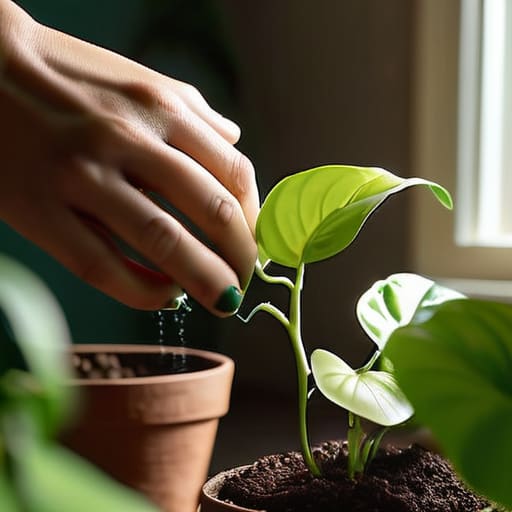
Look, we’ve covered the heavy lifting: finding those resilient low-light survivors that won’t die the second you look at them wrong, and finally figuring out how to stop treating your watering can like a fire hose. Remember, there is no “perfect” setting that works for every plant; it’s all about constant iteration. You’re going to overwater a pothos at some point, or maybe you’ll leave a succulent in a dark corner for too long, and honestly? That’s part of the process. Treat your plants like any other piece of tech you’re trying to master—watch for the feedback loops, adjust your variables, and learn from the failures.
At the end of the day, I don’t want you to aim for a sterile, Pinterest-perfect showroom. I want you to build a living, breathing ecosystem that actually belongs to you. Don’t let a few yellowing leaves intimidate you into quitting; that’s just your plant’s way of sending you a diagnostic report. Grab some soil, get your hands a little messy, and start reclaiming your space one leaf at a time. You’ve got the tools, you’ve got the grit, and now you’ve got the knowledge. Now, go out there and start growing something awesome.