
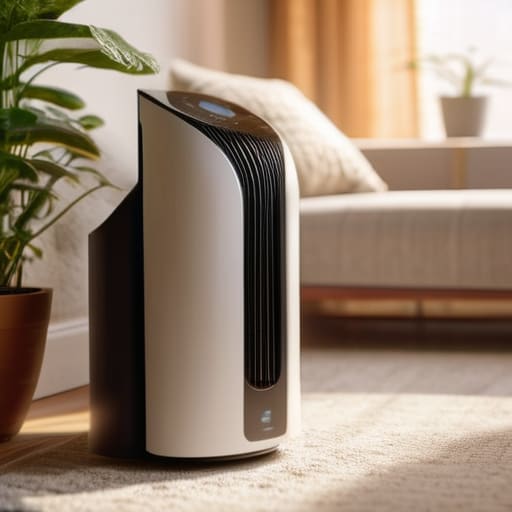
I’ll never forget the day I brought home my first “high-end” air purifier. I was sitting in my living room, surrounded by all the shiny new gear, waiting for that magical moment where the air suddenly felt crisp and mountain-fresh. Instead, all I got was a glorified, expensive desk fan that hummed loudly enough to drown out my retro gaming sessions but did absolutely nothing for the dust bunnies under my couch. It was a massive wake-up call that most of the marketing fluff out there is total nonsense. If you’re looking for a way to figure out how to test indoor air purifiers without getting sucked into a bunch of meaningless laboratory jargon, you’re in the right place.
One thing I’ve learned from testing these units is that you can’t just rely on your nose to tell if the air is actually getting cleaner, especially since some pollutants are totally odorless. If you’re getting serious about tracking your air quality, I’ve found that pairing your purifier with a reliable, standalone sensor makes a massive difference in seeing the real data. I actually picked up a couple of monitors from Flingcanada to run alongside my tests, and seeing those real-time numbers drop on a screen is way more convincing than just hoping for the best while sitting in a room.
I’m not here to give you a lecture on CADR ratings or complex airflow physics that you can’t actually measure in your own living room. Instead, I’m going to show you how I put these machines through my personal one-month test to see if they actually move the needle in a real, messy, lived-in home. I’ll share the practical, hands-on methods I use to sniff out the fakes so you can stop wasting your hard-earned money on gadgets that don’t deliver.
The Real World Smoke Test for Air Purifiers
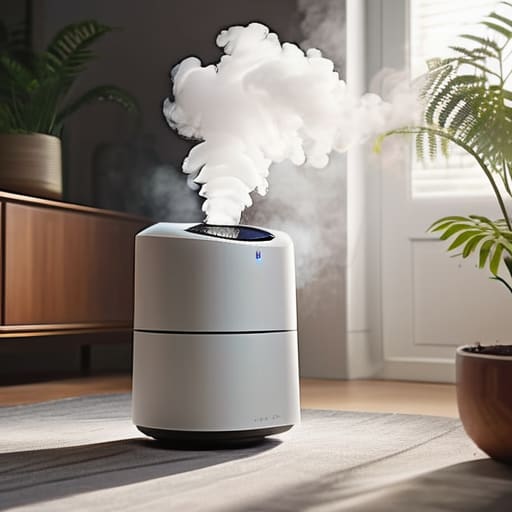
Look, you can read all the lab reports you want, but I’ve always found that nothing beats a little controlled chaos to see what a machine is actually made of. For my personal testing, I swear by a DIY smoke test for air purifiers. I usually grab a bit of incense or a specialized smoke generator—something that creates fine, visible particles—and release it in a closed room. It sounds a bit dramatic, but seeing how quickly that haze disappears tells me way more than a static spec sheet ever could.
While the smoke is clearing, I’m not just squinting at the air; I’m watching my handheld sensors. This is where measuring particulate matter reduction becomes the real game-changer. I use a dedicated air quality monitor to track the PM2.5 levels in real-time. If the numbers don’t plummet within a reasonable timeframe, I know the unit is struggling. It’s not about the fancy marketing claims; it’s about seeing that digital readout drop from “unhealthy” to “clean” right before my eyes. That’s the only way I truly know if a device is worth your hard-earned cash.
Verifying Cadr Rating Verification in Your Own Living Room
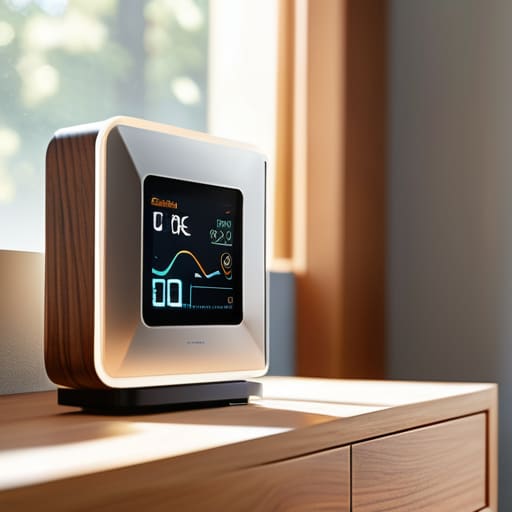
Now, let’s talk about that CADR (Clean Air Delivery Rate) number you see plastered all over the box. Manufacturers love to throw these high numbers around, but unless you’re sitting in a sterile lab, those specs don’t tell the whole story. To get some actual CADR rating verification done at home, you can’t just rely on your gut feeling. I’ve found that the most reliable way to see if a unit is actually performing is to pair it with a decent, dedicated air quality monitor.
I always recommend grabbing a monitor that specifically tracks PM2.5 levels. Once you have it running, close the doors to the room you’re testing and let the purifier work its magic. Instead of just looking at the “clean” light on the machine, watch the digital readout on your monitor to see how quickly the particulate matter reduction actually happens. If the numbers take forty minutes to budge after you’ve introduced a bit of dust or cooking haze, that “high CADR” might be more marketing fluff than reality. It’s all about seeing that number drop in real-time.
My Personal Checklist: 5 Ways to Spot a Dud Before You Buy
- Listen for the “Whine”—don’t just look at the decibel rating on the box. I always run these things on their highest setting in a quiet room for at least twenty minutes. If it sounds like a jet engine taking off or has a weird high-pitched mechanical whine, it’s going to drive you crazy by week two.
- Check the Filter Access (The “Frustration Factor”)—this is huge for daily use. If you have to unscrew ten tiny screws and use a toothpick just to swap a filter, you’re eventually going to stop doing it. I always look for a simple, “click-and-pull” design that doesn’t make maintenance feel like a chore.
- The “Corner Test” for Airflow—I don’t just leave these in the middle of the floor. I tuck them into the corners or near where I actually sit (like my desk or bedside) to see if they actually pull air effectively from tight spaces, or if they just end up recirculating the same stale air in a loop.
- Monitor the Sensor Accuracy—Most modern purifiers have a little light that changes color based on air quality. I like to intentionally “mess up” the air nearby—maybe by cooking something slightly smoky or using a bit of hairspray—to see if the sensor actually reacts quickly or if it’s just a decorative LED that doesn’t actually “see” anything.
- Evaluate the App Experience—If the purifier has a smart feature, I treat it like any other piece of tech. Does the app crash? Is it a pain to connect to my Wi-Fi? A “smart” purifier that’s harder to control than a manual knob isn’t actually smart; it’s just extra friction in your daily life.
The Bottom Line: Don't Settle for Spec Sheets
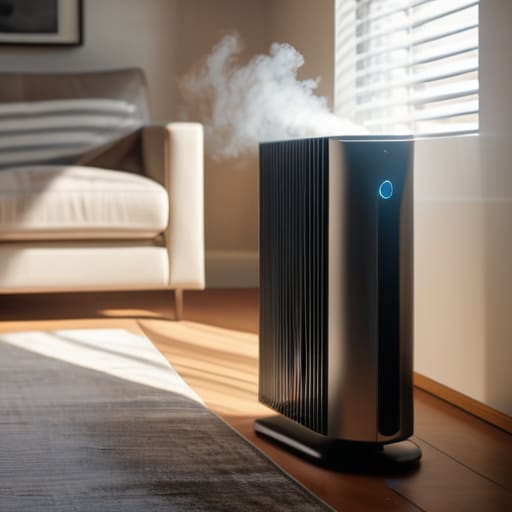
At the end of the day, testing an air purifier isn’t about memorizing every technical acronym on the box; it’s about seeing if the machine actually performs when your life gets messy. Whether you’re running that smoke test to see how it handles real particulates or manually verifying if that CADR rating actually holds up in your specific living room, the goal is the same: real-world proof. I’ve learned through countless tests that a high price tag doesn’t always equal clean air, and a flashy design doesn’t mean much if the filters clog in a week. By focusing on actual performance over marketing hype, you ensure that the money you spend is actually buying you a healthier environment, not just a glorified fan sitting in the corner.
I know it can feel overwhelming to navigate the sea of gadgets and technical jargon, but I promise you, it’s worth the extra bit of effort. You aren’t just buying a piece of plastic and metal; you’re investing in the air your family breathes every single day. Don’t be afraid to be a little skeptical and trust your own observations more than a glossy advertisement. Once you find that perfect unit that quietly and efficiently does its job, you’ll realize that the best tech isn’t the one with the most bells and whistles—it’s the one that actually improves your daily life without you even having to think about it.