


Look, I’m going to be real with you: most of the “influencer” advice you see about how to start a morning routine is absolute garbage. You don’t need a $1,500 espresso machine, a sunrise alarm clock that mimics the Mediterranean, or a three-hour meditation session before the sun even comes up. I used to think I needed all that high-end gear to “optimize” my performance, but all it did was make me feel like a failure when I missed a single step. Most of these gurus are selling you a lifestyle, not a strategy, and they completely ignore the actual physiological data that tells you when your body is truly ready to move.
I’m not here to sell you a dream; I’m here to give you a blueprint based on real-world biofeedback. In this guide, I’m stripping away the fluff and showing you how to use your own metrics—from sleep scores to resting heart rate—to build a morning sequence that actually fuels your day. We’re going to focus on practical, data-driven habits that work with your biology, not against it. Let’s stop guessing and start using your tech to build a routine that actually delivers results.
Building Consistent Daily Habits With Precision Data
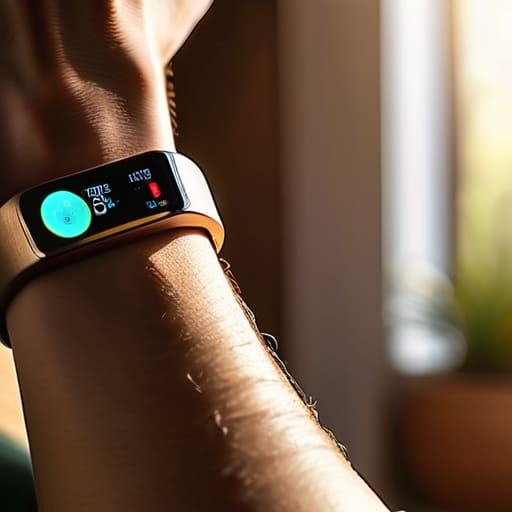
Here’s the deal: most people fail at new routines because they’re flying blind. They try to force a 5:00 AM wake-up call without checking if their recovery scores actually support it. If you want to succeed at building consistent daily habits, you have to stop guessing and start looking at your metrics. I’ve spent years obsessing over my HRV (Heart Rate Variability) and sleep stages, and I’ve learned that forcing a routine when your body is in a deficit is a one-way ticket to burnout. Use your wearable to find your “biological green zone”—that sweet spot where your data shows you’ve actually recovered enough to tackle a high-intensity session or a deep-work block.
Once you have the data, stop treating your morning like a chore and start treating it like an optimization problem. I’m a huge advocate for optimizing morning energy levels by syncing your movement to your physiological readiness. If your tracker shows high readiness, crush that fasted cardio; if your recovery is low, pivot to some light stretching and mindful morning rituals. This isn’t about rigid discipline; it’s about using real-time feedback to make smarter, more sustainable choices every single day.
Optimizing Morning Energy Levels Through Tech Driven Tracking
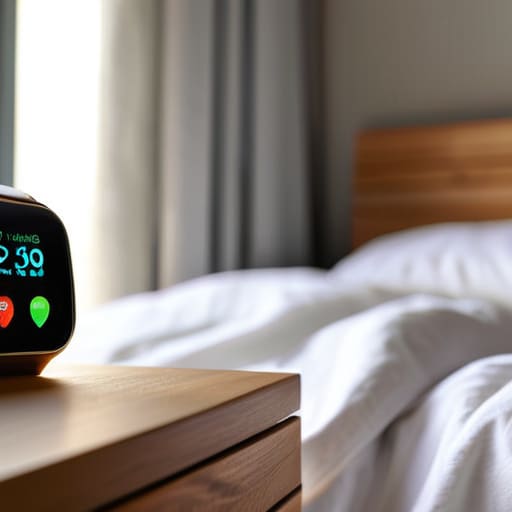
Stop guessing why you feel like a zombie by 10:00 AM. If you want to master optimizing morning energy levels, you have to stop relying on “vibes” and start looking at your biometric trends. I’ve spent years obsessing over my HRV (Heart Rate Variability) scores, and let me tell you: that data is a goldmine. By syncing your wearable data with your morning habits, you can see exactly how a late-night meal or a missed sleep cycle impacts your readiness for the day. Instead of forcing yourself through a grueling HIIT session when your body is screaming for recovery, use your tech to pivot toward a lighter, more restorative flow.
Integrating these insights into your morning productivity habits changes the entire game. I don’t just want you to wake up early; I want you to wake up prepared. When your tracker shows a high recovery score, that’s your green light to crush a heavy lifting session or a tempo run. If your metrics are lagging, pivot to mindful morning rituals like light stretching or breathwork. This isn’t about being a slave to a gadget; it’s about using real-time feedback to align your effort with your body’s actual capacity.
5 Data-Backed Hacks to Level Up Your Morning Execution
- Stop Guessing Your Wake Time: Use Sleep Stage Tracking to Wake Up During Light Sleep. If you’re waking up feeling like a zombie, your alarm is likely hitting you during deep sleep. Use a wearable with smart alarm features to catch those lighter stages; it’s a total game-changer for morning grogginess.
- Sync Your Hydration with Your Biofeedback: Don’t just chug water; track it. I like to log my morning water intake alongside my resting heart rate (RHR) to see how hydration impacts my cardiovascular stability throughout the morning.
- Audit Your “Morning Momentum” with a Simple Log: You can’t manage what you don’t measure. For the first week, track how long it actually takes you to move from “eyes open” to “out the door.” Use that baseline to tighten your routine and reclaim lost minutes.
- Use Heart Rate Variability (HRV) to Adjust Your Intensity: Not every morning is a “crush it” morning. If your HRV is tanking, swap that high-intensity morning HIIT session for some light mobility work or a walk. Listen to the data so you don’t burn out.
- Gamify Your Morning Wins: We’re wired for dopamine. Set small, achievable tech-based goals—like hitting a specific step count by 9:00 AM or completing a 10-minute guided breathwork session—to trigger that sense of accomplishment early in the day.
Level Up Your AM Game
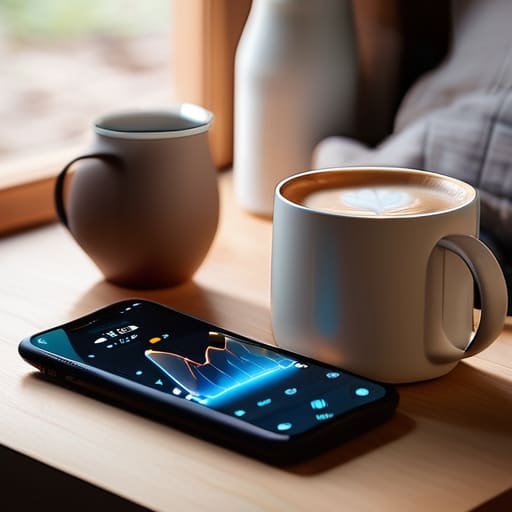
At the end of the day, building a killer morning routine isn’t about following some arbitrary influencer’s schedule; it’s about using the data at your fingertips to build a ritual that actually fuels your specific physiology. We’ve talked about how precision data helps you cement those daily habits and how tracking your biofeedback can help you master your energy levels before you even hit the office. Whether you’re monitoring your HRV to decide if you should push through a morning HIIT session or using sleep data to time your first caffeine hit, the goal is the same: stop guessing and start progressing. Use your wearables as a compass, not a judge, to navigate your way toward a more optimized version of yourself.
I know that staring at a screen full of metrics can feel overwhelming sometimes, but remember that technology is just a tool in your training kit. The real magic happens when you take those insights and turn them into decisive, life-changing action. Don’t get paralyzed by the pursuit of the “perfect” routine—perfection is a myth that kills momentum. Instead, focus on small, data-backed wins that build your confidence and your health. You have the tech, you have the drive, and now you have the roadmap. Now, go out there and crush it!
Once you’ve got your biometric data flowing, you need a way to actually process it without getting overwhelmed by the sheer volume of numbers. I’ve found that the real magic happens when you stop just collecting data and start using it to fuel your mental clarity. If you’re feeling a bit stuck on how to bridge the gap between your morning metrics and your actual daily focus, I highly recommend checking out this chat site to brainstorm some personalized strategies. It’s a great way to turn those raw stats into a concrete action plan so you aren’t just staring at your smartwatch, but actually mastering your momentum.