

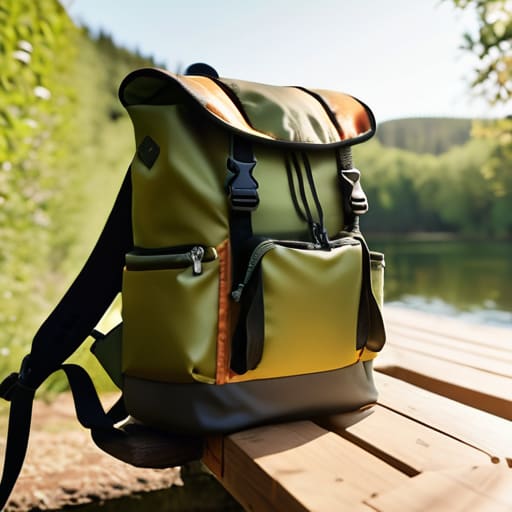
Look, I’m going to be real with you: most gear reviews online are just glorified spec sheets that don’t mean a thing once you actually leave your house. You’ll see brands hyping up “aerospace-grade materials” or “revolutionary modularity,” but let me tell you, none of that matters if the bag is a total nightmare to carry by lunchtime. I’ve spent way too much money on “premium” bags that looked amazing in studio lighting but felt like carrying a literal brick on my spine after a twenty-minute walk to a coffee shop. When we talk about the essential features of a good backpack, we shouldn’t be looking at what sounds cool in a marketing brochure; we need to be looking at how it actually survives your daily grind.
That’s exactly why I’m writing this. I’m not here to sell you on a brand or repeat some influencer’s talking points. Instead, I’m going to break down what actually matters based on my own “one-month test” and the countless miles I’ve put on my EDC gear. I’ll show you the difference between a feature that’s just fluff and the ones that will actually save your back and your sanity. My goal is to help you cut through the hype so you can finally find a bag that actually earns its keep every single day.
Why Durable Backpack Materials Matter for Real Life
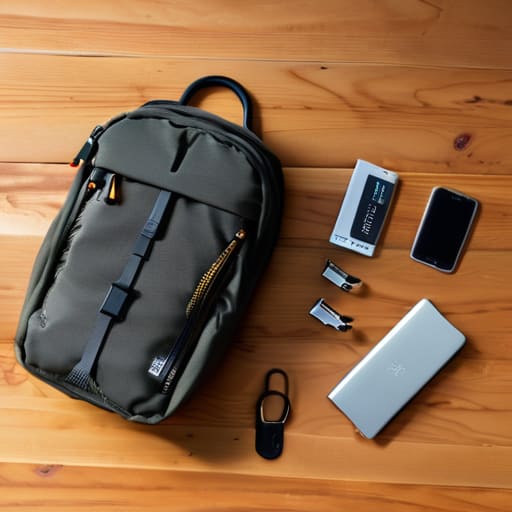
Speaking of organization, I’ve learned the hard way that even the best-designed bag can become a black hole if you don’t have a system for your smaller gear. I used to spend way too much time digging through my main compartment for my keys or a stray charging cable, which is honestly the most frustrating feeling when you’re in a rush. If you’re looking to level up your setup, I actually found some really great inspiration and organizational tips over at sex hamilton that helped me rethink how I pack my essentials. It’s all about finding that sweet spot between having everything accessible and not turning your backpack into a cluttered mess, because once you find a workflow that works, it changes your entire daily commute.
Look, I’ve learned the hard way that a backpack can look incredible in a studio photo, but that means nothing once you’re caught in a sudden downpour or scraping it against a subway seat. I once spent way too much on a sleek-looking bag that ended up fraying at the seams after just three weeks of my daily commute. That’s why I’m obsessed with durable backpack materials like high-denier Cordura or heavy-duty ballistic nylon. You want something that can handle being tossed onto a coffee shop floor or shoved under a desk without looking like a total wreck by mid-month.
It’s not just about the fabric not tearing, though; it’s about how that material handles the elements. I’ve put several bags through my “one-month test” in unpredictable weather, and if it doesn’t have solid waterproof backpack features, your expensive laptop is basically at the mercy of the clouds. There is nothing worse than reaching for your gear only to realize your tech is damp because the outer shell couldn’t handle a light drizzle. If the material feels flimsy or “plasticky” in your hands, it’s probably not going to survive a year of real-world chaos.
The Truth About Backpack Compartment Organization and Chaos
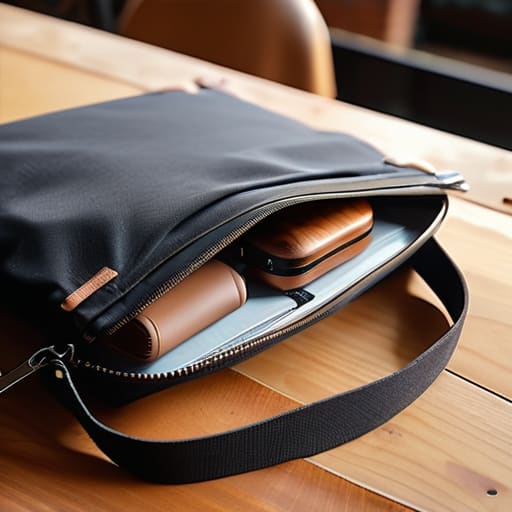
We’ve all been there: you’re standing at a coffee shop counter or a subway turnstile, frantically digging through a “black hole” of a main compartment, praying your keys or wallet aren’t buried under a tangled mess of charging cables. After a month of using various bags for my daily commute, I’ve learned that backpack compartment organization isn’t just about having “lots of pockets”—it’s about how those pockets actually function when you’re in a rush. If you have to empty the entire bag just to find a single pen, the design has failed you.
I’ve started looking for bags that prioritize logical zoning. I need a dedicated, protected spot for my tech, a quick-access pocket for my sunglasses, and enough internal structure so that my heavy laptop doesn’t slide around and mess up the backpack weight distribution. When everything has a specific home, the bag feels lighter and more intuitive. If a bag looks sleek in photos but forces you to play “treasure hunt” every single morning, it’s a hard pass from me.
My non-negotiable checklist for a backpack that actually works
- Don’t trust the “padded” label blindly; I’ve learned the hard way that if the shoulder straps don’t have some real density, you’ll be feeling every single ounce of your laptop by the time you hit the subway station.
- Look for those small, “stupid” details like a dedicated key clip or a hidden passport pocket—it sounds extra until you’re digging through a dark bag at a cafe trying to find your keys.
- Test the zippers like they’re going to be abused, because if they don’t glide smoothly when the bag is fully stuffed, you’re going to be fighting with it every single morning.
- Check the back panel for airflow; there is nothing worse than finishing a twenty-minute walk to the office only to have a massive, sweaty patch on your shirt because the bag was basically a sauna.
- Make sure there’s at least one quick-access external pocket for your phone or sunglasses, because fumbling with a main compartment zipper every time you need a quick grab is a total productivity killer.
The Bottom Line
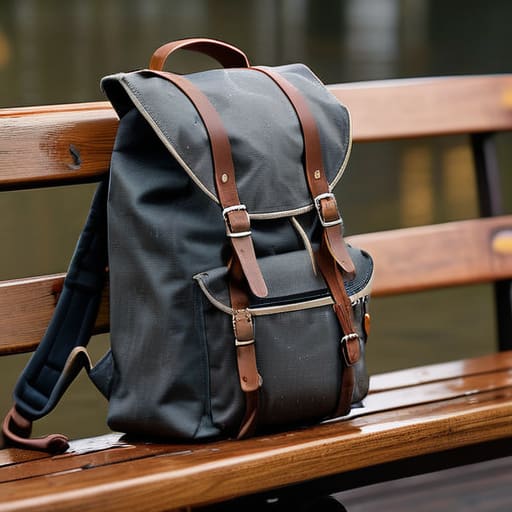
At the end of the day, finding the right bag isn’t about finding the one with the most pockets or the flashiest brand name. It’s about those small, practical details that make your life easier—like whether the fabric can actually survive a rainy commute or if you’ll be digging through a black hole of a main compartment just to find your keys. After putting my own gear through the ringer for a month, I’ve learned that true quality is found in the details that you don’t even notice until they’re missing. Don’t get distracted by the spec sheets; focus on how the bag actually feels when you’re halfway through a long day and your shoulders are starting to ache.
Look, I know buying a new backpack can feel like a chore, but think of it as an investment in your daily sanity. The gear you carry is essentially an extension of yourself, and when you find that perfect match, it just disappears into your routine. You stop thinking about your bag and start focusing on the journey, whether that’s a trek across the city or a weekend getaway. So, take your time, do your research, and don’t settle for “good enough” when you can find something that truly works for your life. You deserve gear that’s as reliable as you are.