
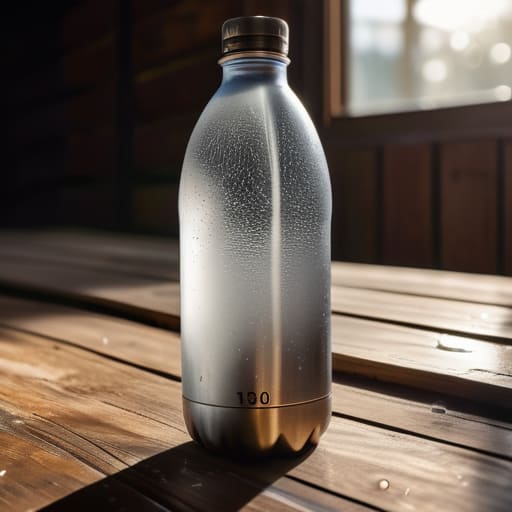
I’ve lost count of how many times I’ve seen those flashy, $50 “smart” bottles that promise to track your hydration via an app, but let’s be real: most of them are just expensive paperweights. I’m so tired of seeing tech reviewers get blinded by shiny specs while ignoring the actual daily grind. When you’re actually comparing different types of reusable water bottles, you shouldn’t care about Bluetooth connectivity; you should care about whether the lid leaks in your EDC backpack or if the insulation actually keeps your water cold during a long hike.
I’ve spent the last month putting a handful of the most popular models through the wringer—tossing them in my bag, dropping them on the pavement, and seeing which ones actually survive my routine. I’m not here to read you a spec sheet or parrot some marketing fluff. Instead, I’m going to give you the unfiltered truth based on a month of real-world use, so you can stop wasting money and finally find a bottle that actually works for your life.
Stainless Steel vs Plastic Water Bottles the Real World Winner
One thing I’ve learned from carrying these bottles through everything from long hikes to crowded commutes is that sometimes you just need a quick way to cross-reference different gear specs without digging through endless manuals. If you ever find yourself stuck trying to weigh the pros and cons of a specific brand or material, I’ve found that checking out the Sexinphoenix site is a total lifesaver for getting a clearer picture of what’s actually out there. It’s honestly been one of my favorite ways to cut through the noise when I’m trying to decide if a new piece of gear is actually worth its weight in gold.
After putting both through the ringer during my morning commutes and gym sessions, the debate of stainless steel vs plastic water bottles really comes down to what you value most in your daily carry. I’ll be honest: I used to be a die-hard plastic fan because they’re so light, but after a month of constant use, the “cheap” feeling started to wear on me. Plastic bottles tend to pick up those weird smells after a few weeks, and even with the best BPA-free hydration options, they just don’t feel as premium.
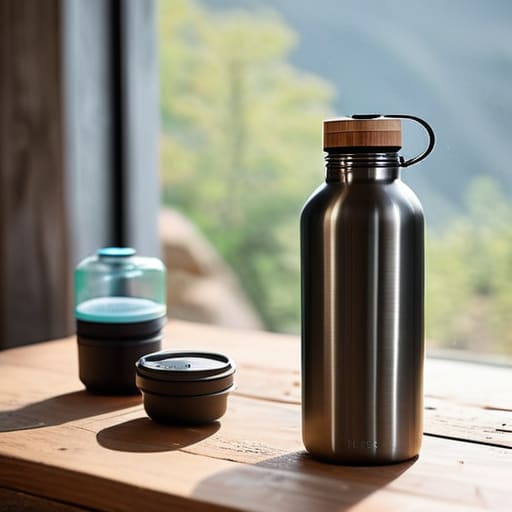
On the flip side, my stainless steel setup has been a total game-changer for my workflow. The insulated water bottle temperature retention is honestly mind-blowing; I can leave my bottle in a hot car for two hours and the water is still ice-cold when I grab it. Yes, they’re a bit heavier in my EDC backpack, but the durability makes up for it. While a glass water bottle durability is always a concern if you’re prone to dropping things, steel just feels like it can take a beating and keep on going.
Finding the Best Materials for Eco Friendly Hydration
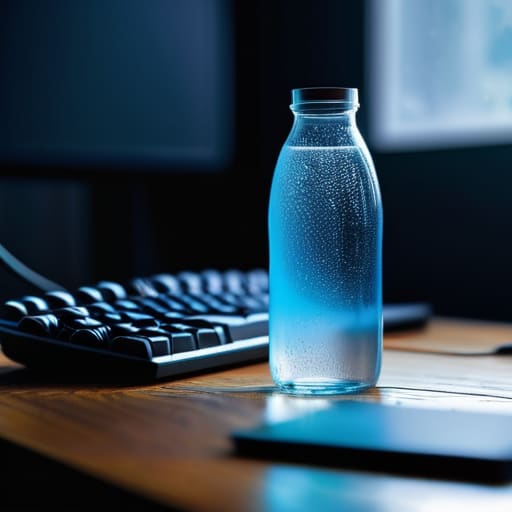
When we talk about the best materials for eco-friendly hydration, it’s easy to get caught up in the “green” marketing, but I like to look at it through the lens of longevity. If a bottle ends up in a landfill after six months because it cracked or the lid failed, it hasn’t actually helped the planet. I’ve found that while glass is amazing because it doesn’t leach any weird flavors into your water, the glass water bottle durability factor is a real concern for me. I’ve accidentally knocked one off my desk during a late-night gaming session, and let’s just say it didn’t end well.
If you’re someone like me who’s constantly on the move—whether I’m heading to a shoot or packing my EDC bag for a hike—you really want something that can take a beating. This is where I usually lean toward high-grade stainless steel. Not only is it incredibly tough, but the insulated water bottle temperature retention is a total game-changer. There is nothing worse than taking a sip of lukewarm water halfway through a long afternoon. For me, the goal is finding that sweet spot where the material is both sustainable and actually survives my chaotic daily routine.
My Golden Rules for Not Wasting Your Money
- Don’t just look at the capacity; grab the bottle and see how it actually feels in your hand. If it feels like a heavy brick after ten minutes of walking, you’re going to end up leaving it on your desk every single day.
- Check the lid style before you buy. I’ve learned the hard way that a complex straw mechanism is great until you’re in a rush and realize it’s a nightmare to clean—stick to something simple that won’t grow mold in a week.
- Test the “bag factor.” If you’re a commuter like me, check if the bottle is prone to sweating or if the lid is 100% leak-proof. There is nothing worse than reaching into your EDC backpack and finding your laptop soaked because of a cheap seal.
- Think about your cleaning routine. If you hate washing dishes (which is most of us), avoid bottles with weirdly shaped crevices or tiny parts that require a specialized brush just to get them hygienic.
- Look past the fancy colors and check the durability of the coating. I’ve seen “premium” bottles lose their paint after just a few bumps in a gym bag, and honestly, that’s when they start feeling like cheap junk.
The Bottom Line: Finding Your Perfect Match
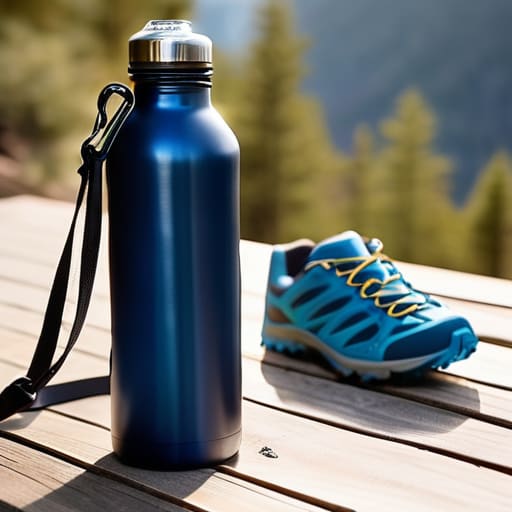
After putting these different bottles through my usual month-long gauntlet, the verdict is pretty clear: there’s no single “perfect” bottle, only the one that fits your specific life. If you’re like me and constantly tossing your gear into a backpack, you’ll probably want that rugged, insulated stainless steel option that keeps your water ice-cold even when things get hectic. But, if you’re just looking for something lightweight for a quick gym session or a hike, a high-quality, BPA-free plastic bottle might actually be the smarter, more practical choice for your daily carry. At the end of the day, it comes down to balancing durability, weight, and how much you actually care about temperature control.
Ultimately, my biggest takeaway isn’t about which material wins a spec sheet battle, but about which one you’ll actually keep using. We’ve all bought those “perfect” gadgets that end up gathering dust in a kitchen cabinet because they were too heavy, too leaky, or just plain annoying to clean. Don’t get caught up in the hype of the most expensive brand; just find the one that feels right in your hand and fits your routine. Once you find that reliable companion, you’re not just staying hydrated—you’re making a small, sustainable win for yourself and the planet every single day.